Get Full Government Meeting Transcripts, Videos, & Alerts Forever!
Get email alerts on the Broadband Deployment topic
No spam. Unsubscribe anytime.
Commerce outlines broadband rollout: BEAD prequalification opens, $120M capital projects already obligated
Summary
The Idaho Department of Commerce briefed JFAC on broadband funding streams and timelines: $35M state broadband fund with ~$8.7M remaining, $120M capital projects (obligated), and a $580M BEAD program entering prequalification for providers this spring.
The Idaho Department of Commerce told the Joint Finance-Appropriations Committee it is coordinating multiple broadband funding streams, has obligated roughly $120 million in capital projects that will connect about 35,000 homes and businesses, and opened a prequalification phase this quarter ahead of a funding-application round for the federal BEAD program.
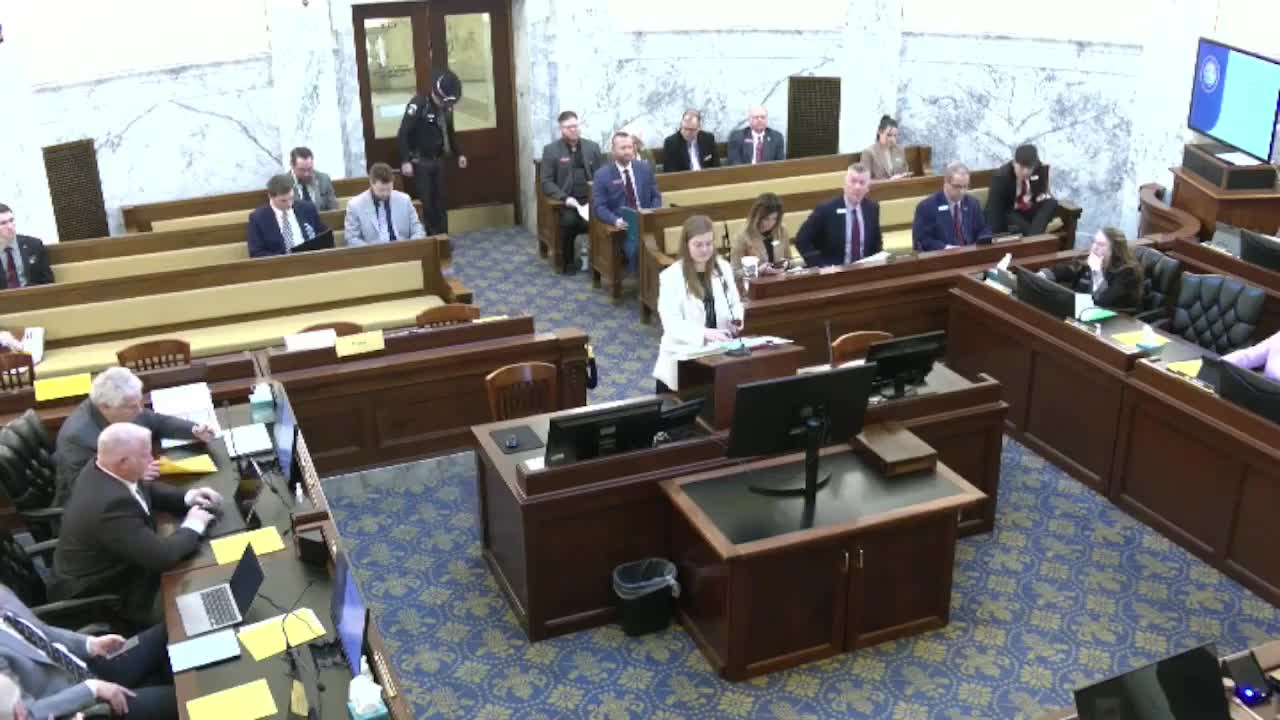
Brooke Dupree, a budget and policy analyst with the Legislative Services Office, reviewed Commerce’s structure and funds and noted the broadband office — created last legislative session — is now staffed to manage broadband grant programs. Dupree said the department’s fund balances reflect a mix of state general fund transfers, ARPA capital projects money and federal IIJA/BEAD funding.
Ramon Jabe Sanchez, broadband manager at Commerce, gave the committee a program-level summary: the Idaho Broadband Fund (state general fund transfer of $35 million) has about $8.5–$8.7 million remaining after obligations; a capital projects fund (about $120 million from ARPA) has been contracted across 18 projects and is bringing service to roughly 35,000 locations; and the BEAD program (federal IIJA funding) encompasses about $580 million for Idaho. Sanchez said the office opened a provider prequalification phase in quarter 1 of the calendar year and plans to open the funding-application round in quarter 2.
Sanchez summarized the near-term timeline: prequalification of eligible internet-service providers and applicants in the spring, a funding-application phase in the following quarter, evaluation over the summer and submission of a final package to the federal government likely in mid-fall to early winter. He said project awards could move in about a year after application, subject to federal review.
Public-private partnerships and technology mix Sanchez described Commerce’s emphasis on regional collaboration and partnerships with private ISPs and local governments. He said roughly 90 ISPs operate in Idaho at any time and the office works to bring providers, local governments and stakeholders together. Sanchez said Idaho used BEAD planning funds to provide grants to about 15 local jurisdictions to develop project plans and better prepare for federal awards.
On technology choices, Sanchez said federal BEAD guidance prioritizes fiber first, licensed fixed wireless second, and allows alternative technologies — including low-earth-orbit satellite services such as Starlink — where other options are impractical or cost-prohibitive. “As a matter of fact, most people would say the most reliable form of Internet is still gonna be fiber,” he said, but added LEO satellites will likely be a component for hard-to-reach rural customers.
Wider Commerce agenda Director Tom Keeley also discussed other Commerce priorities that intersect with broadband: workforce development, housing, childcare and efforts to attract private-sector investment in areas such as advanced energy and manufacturing. Keeley said Commerce coordinates with the Office of Information Technology Services, the Idaho Broadband Advisory Board (a legislative-heavy advisory body), regional partners and federal agencies to align funding and policy.
Ending Commerce staff said the governor recommended the department’s requests and that the primary remaining work for BEAD is administering the prequalification and application phases this year. No committee vote was recorded at the hearing; Commerce staff stood for questions and said they would provide follow-up materials as requested.