Get Full Government Meeting Transcripts, Videos, & Alerts Forever!
Get email alerts on the Pensi Persi Budget topic
No spam. Unsubscribe anytime.
PERSI reports $22 billion in assets, seeks software funding and board travel; board recommended 1.3% COLA
Summary
The Public Employee Retirement System of Idaho (PERSI) told JFAC it ended the year at about $22 billion in assets, is roughly 87% funded and requested additional funds for a multi-year pension software upgrade and limited travel and hardware purchases.
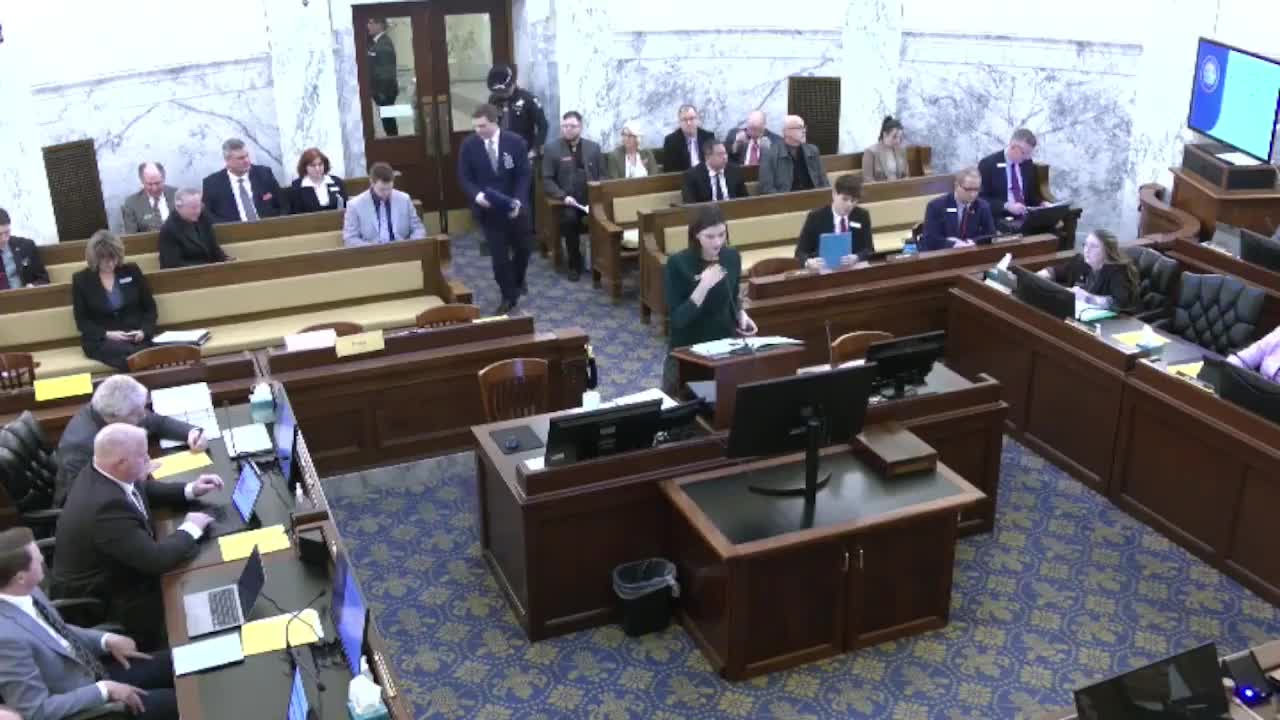
The Public Employee Retirement System of Idaho (PERSI) told the Joint Finance-Appropriations Committee that the pension fund ended the most recent fiscal year with roughly $22 billion in assets, a funded ratio of about 87%, and is requesting $3 million for year four of a pension software upgrade along with other IT and limited travel appropriations.
Frances Lippitt, a budget and policy analyst with the Legislative Services Office, reviewed agency figures and explained that PERSI was created in 1963 and funded by the legislature in 1965. She said PERSI administers a defined benefit plan plus defined-contribution options and a program that converts unused sick leave to pay health insurance in retirement. PERSI operates with authorized staff across Boise, Pocatello and Coeur d'Alene and divides activities into retirement administration and portfolio investment programs.
Director Mike Hampton told the committee that the fund recorded about a 9% return in the last year, that PERSI serves about 185,000 members and that Idaho’s single, statewide pension system helps it maintain a relatively strong funded status compared with many other states. Hampton said the fund’s funded ratio was about 87% at the end of the last fiscal year and the amortization period is about 10.7 years.
Requests and budget details - Software upgrade and IT: PERSI described a five-year pension software upgrade that totals $12 million; the FY2026 request includes $3,000,000 for year four of that project and $628,500 for IT hardware recommended by OITS.
- Ongoing and one-time items: PERSI requested two ongoing enhancements totaling $277,100, including $25,000 to cover trustee travel to annual conferences. The governor recommended the enhancements except for the proposed inflationary increase and the office furniture request, the analyst said.
- Administrative costs and pension payments: Lippitt said PERSI expended $11.4 million from appropriated funds in FY2024, with personnel costs accounting for 56.6% of those expenses. PERSI’s continuously appropriated pension payments were about $245.9 million in FY2024.
Board recommendation on post-retirement adjustments Vice Chair Woodward asked about the cost-of-living adjustment. Director Hampton explained the statutory mechanism and told the committee the board recommended the automatic 1.0% post-retirement adjustment plus a 0.3% retroactive adjustment going back to 2020. “That was, so this year it would be a 1.3 if approved by the legislature,” Hampton said, describing board deliberations as focused on the fund’s long-term sustainability.
Policy questions and context Committee members asked about the difference between administrative appropriations and continuously appropriated investment expenses (investment management fees and consultants are paid from continuously appropriated funds, not the annual appropriation for administration). The director cautioned that discussion of a wholesale switch from a defined-benefit to a defined-contribution plan is complex; he noted few systems have moved entirely to defined-contribution and that hybrid approaches have been considered elsewhere.
Operational notes Hampton highlighted that PERSI handled more than 66,000 phone calls, provided education to over 14,000 members and completed more than 44,000 workflows in the year. He told the committee the fund’s mission and fiduciary duty is “to execute all our duties for the exclusive benefit of our members.”
Ending The presentation concluded with PERSI staff standing for questions; the committee did not record a decision or vote during the hearing on the requests presented.