Get Full Government Meeting Transcripts, Videos, & Alerts Forever!
Get email alerts on the Recreation Paddlesports topic
No spam. Unsubscribe anytime.
Panel advances bill creating paddlesports pilot and small fee; conservation groups warn it could limit TWRA’s authority
Summary
The committee approved a pilot to track paddlesports tax data and allow a 42¢ per‑launch commercial contribution for ramp upkeep, but wildlife groups warned the language could limit TWRA’s ability to manage ramp conflicts; the bill passed 8-6-1.
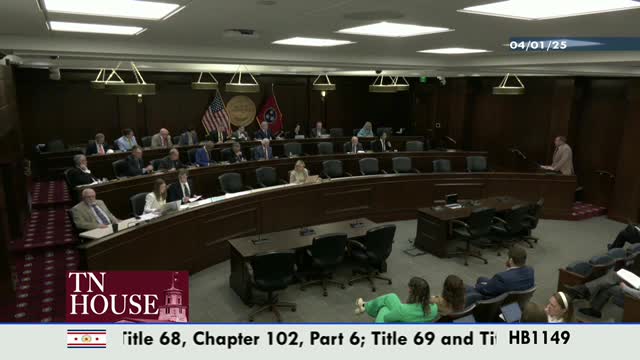
The House Agriculture and Natural Resources Committee approved House Bill 1149, which creates a pilot program to track sales-tax receipts for paddlesports items and allows a commercial paddlesports contribution to Tennessee Wildlife Resources Agency ramps. The committee adopted a late amendment that requires the Department of Revenue to track a defined list of paddle-related items and authorizes commercial operators to invest 42¢ per launch to help maintain ramps; the provision includes a two‑year restriction preventing TWRA from unilaterally increasing the fee during that period. The committee approved the bill 8 ayes, 6 nays and 1 present-not-voting, sending it to finance and ways and means.
Sponsor Representative Hunter Butler said the pilot will help the state better understand the paddlesports industry’s economic footprint and provide a voluntary mechanism for commercial operators to support ramp maintenance. Butler said commercial operators already report put‑in counts and that the industry offered the 42¢ contribution to help maintain and police launching sites.
Testimony included concerns from the Tennessee Wildlife Federation and local fishing guides. Forest Tipton of the Tennessee Wildlife Federation told the committee the bill’s language — specifically a clause that would bar the agency from imposing certain restrictions "by any other means, including rulemaking" — could tie TWRA’s hands when resolving local user conflicts at ramps. Tipton urged site‑by‑site management that could include parking limits or time‑based restrictions.
Fly‑shop owner and guide Blake Parsons said overcrowding at ramps by commercial paddle operators has already affected his business and that TWRA’s existing authority to manage ramps is important to preserve anglers’ access and safety. Sponsor Butler and other supporters said the amendment does not give commercial operators priority at ramps, that the contribution is voluntary and targeted to commercial operators, and that TWRA remains neutral on the bill’s final form.
Committee members asked about parking priority and whether contributions would create any preferential access; sponsors said the bill does not grant priority and that TWRA would retain core regulatory authority. After the debate, the committee approved the bill 8‑6‑1; opponents said the bill could reduce TWRA’s local management tools, supporters said it brings new revenue and a private investment model for ramp maintenance.