Get Full Government Meeting Transcripts, Videos, & Alerts Forever!
Get email alerts on the Groundwater Pesticide Management topic
No spam. Unsubscribe anytime.
Committee signs off on groundwater pesticide management rule; department says sampling is voluntary and ongoing
Summary
The Senate committee approved a rewrite of rules governing groundwater monitoring for pesticide detections. The department said sampling is voluntary, the program tests about 89 active ingredients and has analyzed roughly 1,300 samples over five years.
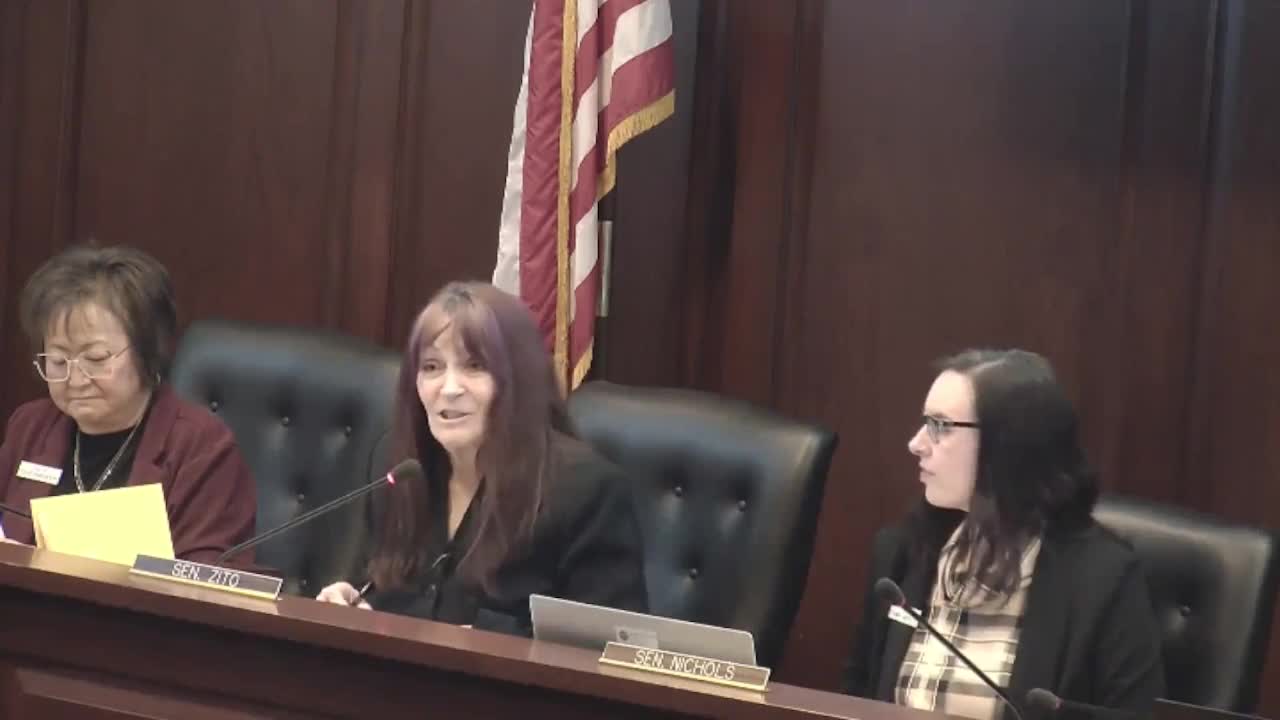
The Senate Agricultural Affairs Committee voted to approve pending rule changes that rewrite the state’s rules governing pesticide management plans for groundwater protection.
The Idaho State Department of Agriculture said the changes remove duplicative text already found in statute and clarify the department’s groundwater monitoring and response procedures. The department emphasized the program remains in place and that monitoring of private wells is done with owner permission.
Brian Slabaugh, administrator for the Division of Agricultural Resources, told the committee the department conducts an annual water-sampling program. "Over the last 5 years we have about 1,300 water samples that we have analyzed for pesticides," Slabaugh said, and the program screens for roughly "89 active ingredients" that are commonly used in pesticides. Slabaugh said the department typically works with up to about 300 well owners in a given year and that sampling is performed only with the well owner’s consent.
Committee members asked where monitoring authority and enforcement are located after duplicative text was removed from rule language; Slabaugh said enforcement authority remains in statute (Title 22, Chapter 34 of Idaho Code) and that the department intends to continue operating a groundwater monitoring program and to convene advisory committees as needed. He also said site-specific follow-up, including quarterly testing, can occur when there is an elevated detection and a need to better understand source contamination or groundwater movement.
The rule was presented as a chapter rewrite that removes descriptive or duplicative language and reorganizes definitions and sections for clarity. The department said no substantive new restrictions or authorities are introduced and that no public comments were received during the agency’s negotiated rulemaking meetings.
The committee approved docket number 203012401 by voice vote. A senator moved the motion and a second was recorded; the motion carried on an audible "aye."