Get Full Government Meeting Transcripts, Videos, & Alerts Forever!
Get email alerts on the University Affiliation topic
No spam. Unsubscribe anytime.
University of Idaho says Phoenix acquisition talks extended; breakup fee could offset university costs
Summary
President C. Scott Green told JFAC the university has an agreement with University of Phoenix sellers that extends the deadline to June 10 for a potential affiliation; the contract allows non‑exclusivity and includes a potential breakup fee of up to $20 million to cover the university’s expenses if the sellers do not proceed.
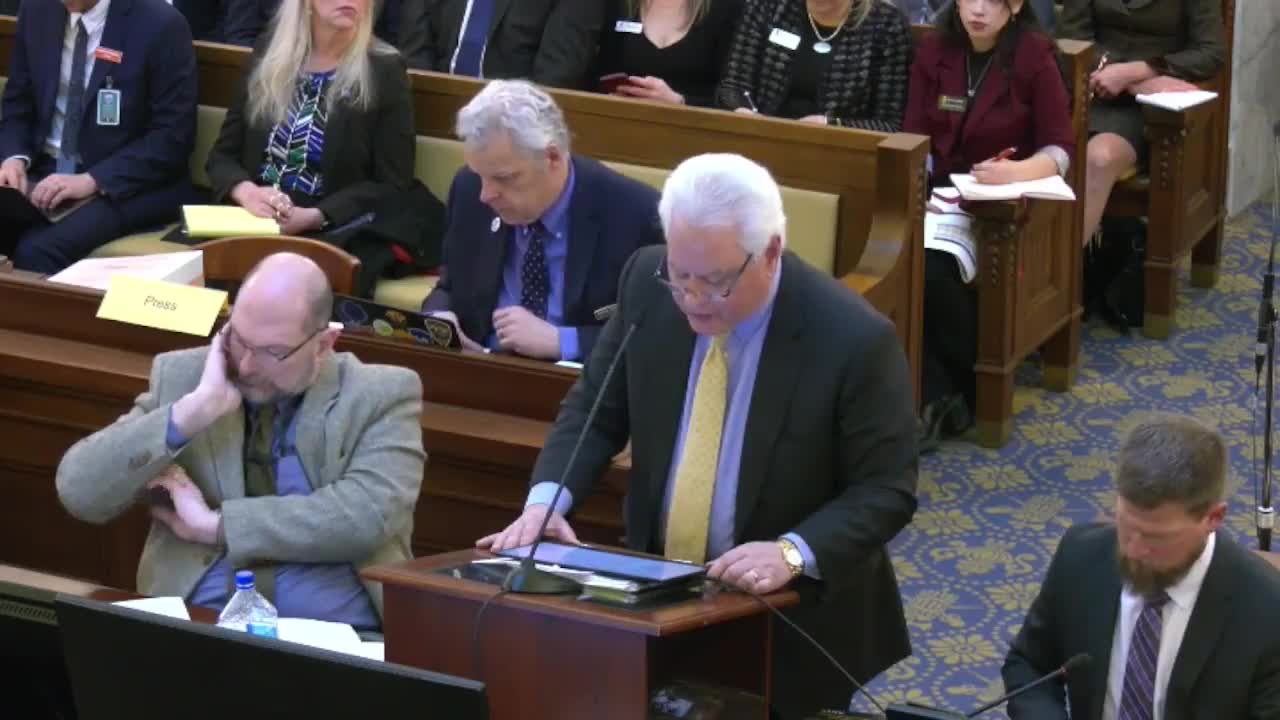
University of Idaho President C. Scott Green told the Joint Finance‑Appropriations Committee on Jan. 27 that an agreement with the sellers of the University of Phoenix extends the deadline for a potential affiliation to June 10 and includes a breakup fee intended to cover the University of Idaho’s expenses if the transaction does not proceed.
Green described the agreement as allowing the sellers to continue to seek other offers, including public markets, while the university remains a candidate. “The agreement would say if they decide not to proceed with us, and decide to go with somebody else or enter the public markets, we do have a breakup fee of up to $20,000,000 to cover our expenses,” Green said.
Why it matters: A potential affiliation with the University of Phoenix would require legislative review and State Board approval; the committee asked whether university‑incurred expenses would be offset by a breakup fee if the deal fails to proceed.
Green said the university already received $5 million at signing to offset costs incurred so far and that additional breakup proceeds would first be used to reimburse transaction expenses. He added that if the full breakup fee were paid, residual amounts—he suggested “$2 or $3 million” as an example—could be directed back to programmatic priorities such as expanding capacity in high‑demand workforce programs.
The sellers’ agreement is non‑exclusive and the university does not control whether the sellers ultimately accept a different buyer or proceed to public markets. Green told the committee that “the sellers will determine if and when we have the opportunity actually to present that legislation” for any affiliation and that the university expects to rely on the State Board and the Legislature for review should a proposal be advanced.
Ending: The university committed to provide documentation about the transaction terms and said any affiliation would require State Board approval and possible legislation. No formal action or vote took place at the hearing.