Get Full Government Meeting Transcripts, Videos, & Alerts Forever!
Get email alerts on the Administrative Pay topic
No spam. Unsubscribe anytime.
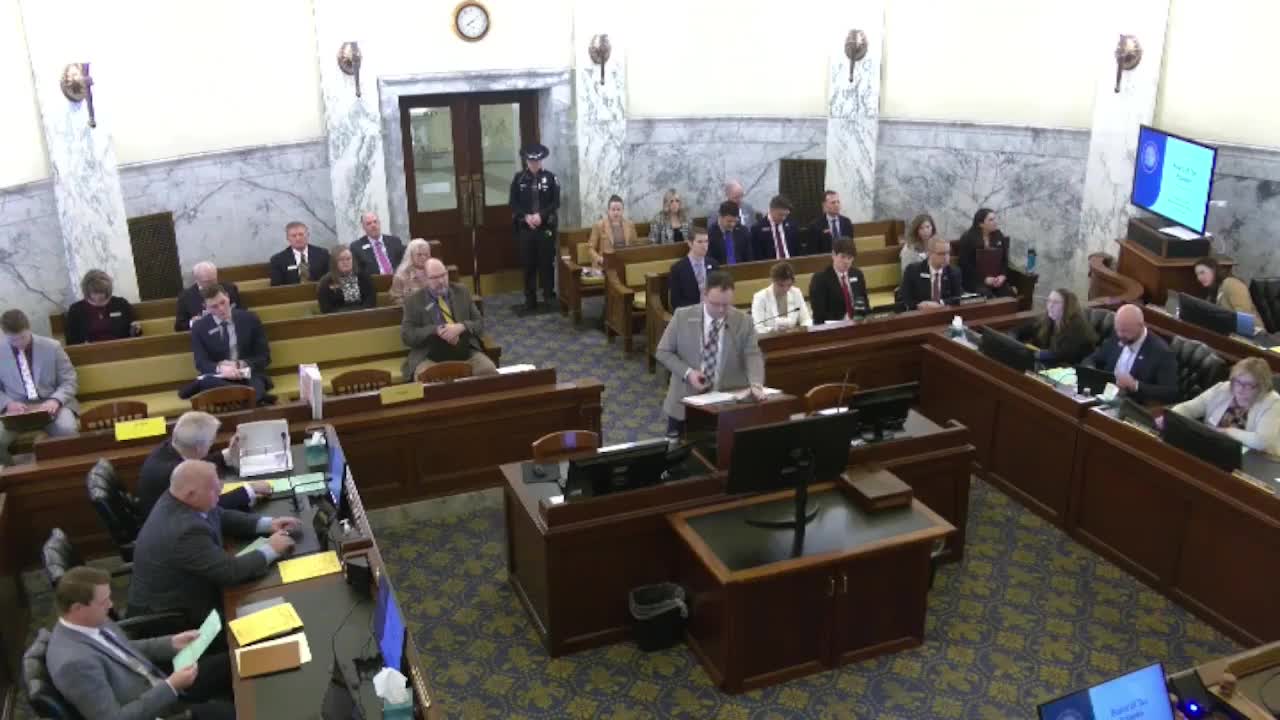
Board of Tax Appeals seeks per-diem increase; committee hears caseload, training and reversion questions
Summary
The Board of Tax Appeals requested a $29,200 ongoing increase to raise board member per diems from $300 to $400 per day. Directors told JFAC the board handles roughly 300 cases per year, is funded for 80 workdays per member, and requires training and preparation time before members preside over hearings.
Christopher LaHoset, a budget and policy analyst with the Legislative Services Office, presented the Board of Tax Appeals budget and enhancement request. He summarized that the three-member quasi‑judicial board is authorized in Idaho Code §63-3801 and currently operates with four full-time–equivalent (FTE) positions in the agency’s small staff. The board requested $29,200 in ongoing general fund to increase member per diems from $300 to $400 per day; the agency said this change would require legislation to amend Idaho Code section 63-3804.
Director Cindy Pollock, who leads the Board of Tax Appeals, said board members are part‑time but have substantial preparation and decision time. “The board is only allowed to work 80 days. They’re funded for 80 days,” Pollock told the committee, and she described an internal model where hearing days, preparation and decision work are accounted for in hourly breakdowns so the board can complete its caseload before the statutory deadline of May 1.
Pollock described the board’s typical caseload as about 300 appeals per year but noted variability: in some years localized events produced hundreds of appeals (she cited a Bannock County spike). She said cases range from pro se taxpayers (shorter hearings) to attorney‑represented commercial cases (longer hearings, continuances and discovery) and that some hearings can last multiple days.
Representative Tanner and other members pressed on reversions and workload. Pollock said the agency reverts unspent funds when cases settle or are otherwise not pursued; she also described the training pipeline for new board members, including judicial college attendance and at least a year of internal training before assigning full hearing duties.
Senators and representatives asked whether the requested per-diem increase is justified given prior reversions; Pollock and the analyst explained the request affects the daily/hourly pay rate rather than expected days worked, so unspent days still produce reversions even if the per-diem rate is higher. The committee did not take a vote during the hearing.