Get Full Government Meeting Transcripts, Videos, & Alerts Forever!
Get email alerts on the Medical Residency Expansion topic
No spam. Unsubscribe anytime.
Lawmakers hear requests to expand residencies, citing state retention and rural needs
Summary
Residency program directors and analysts told JFAC that continued state support for residency slots — especially in psychiatry, family medicine and internal medicine — helps deliver care now and raises retention of physicians in Idaho.
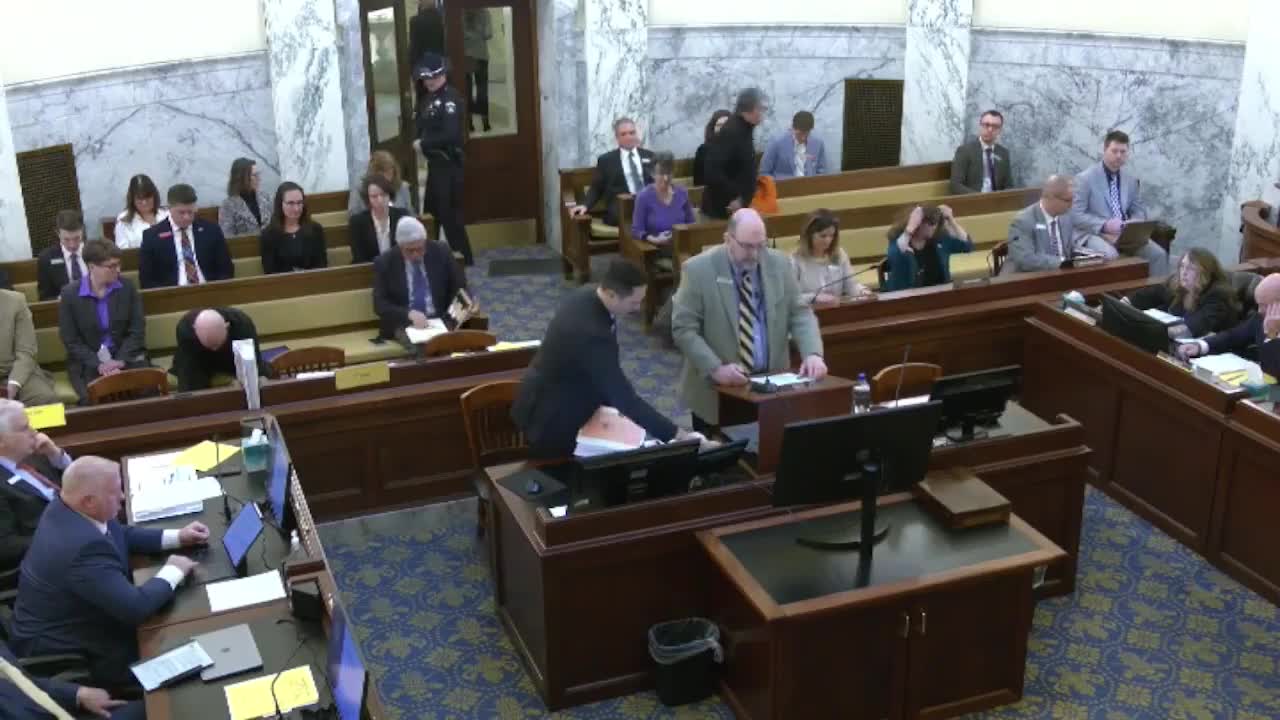
The Joint Finance-Appropriations Committee received presentations from medical residency programs across Idaho as directors and legislative analysts outlined current requests and retention data.
Kevin Campbell, budget analyst for the Legislative Services Office, summarized the residency portfolio and noted a 55% retention figure: “The American Medical Association noted in 2022 that 55 percent of graduates of Idaho residencies and fellowships stay in Idaho,” he said, placing Idaho among the top 10 states for retention of physicians trained in‑state.
Why it matters: committee members framed residency funding as a long‑term investment in Idaho’s physician workforce. Directors said residencies both provide immediate clinical capacity (residents treat patients during training) and increase the likelihood trainees remain in Idaho after graduation.
Key points from the presentations: - Eastern Idaho Medical Residency (EIMR): analyst and program representatives described EIMR as based at Eastern Idaho Regional Medical Center (Idaho Falls) and providing family medicine, internal medicine and psychiatry training. For FY2026 the program requested $240,000 for four additional psychiatric resident positions to bring psychiatry capacity to a 12‑resident total; the request represents the state’s portion of a multi‑partner funding model and funds resident pay and training costs.
- Boise Internal Medicine: the program indicated it has 41 residents and requested $60,000 ongoing for one additional internal medicine resident for FY2026. The analyst noted Boise Internal Medicine pays 100% of appropriations to sponsor hospitals because residents are employees of those institutions.
- Family Medicine Residencies (FMR): multiple programs across the state (Full Circle Health, Idaho State University programs, Kootenai Clinic) were described. The family medicine portfolio includes roughly 130 residents statewide; recent appropriations funded new programs and fellowships, and the FY2026 request included funding tied to a new St. Alphonsus Nampa program (6 new residents and one fellowship funded at $420,000 ongoing in aggregate as presented to the committee).
- Funding model and costs: program directors and analysts described an operating model in which training is typically funded by three partners — the sponsoring institution, health systems/hospitals, and the state — with the state historically contributing roughly one third of per‑resident costs. Analysts and program directors said the current estimated cost per resident year is about $210,000; the state’s historical contribution per resident (about $60,000) reflected earlier costs but programs noted actual per‑resident costs have risen and some asked the legislature to consider larger state shares to sustain program growth.
- Clinical capacity and retention: program directors emphasized residents provide immediate clinical care in hospitals and clinics while in training. Dr. Matthew Larson, psychiatry program director in Idaho Falls, told the committee that residents “see patients every day” and that expanding psychiatry training addresses a long wait time to access care. Several directors said retention among program graduates is strong in primary care specialties, with some family medicine programs reporting retention rates around 60–65%.
Committee discussion and follow up: Members asked how to measure program success and whether state monies should be prioritized differently (loan repayment, residency slots, expanded GME positions). Directors recommended continued multi‑pronged support: more residency slots, graduate medical education infrastructure, and loan repayment/incentive programs to recruit and retain clinicians in rural health professional shortage areas.
Ending: Program directors urged the committee to continue funding the multi‑year residency expansion. Dr. Larson summarized the investment argument: “The training of a doctor, it took me 13 years after high school to finish my training… funding people on the part that gets them to stay in Idaho and work in Idaho does make a big difference.”