Get Full Government Meeting Transcripts, Videos, & Alerts Forever!
Get email alerts on the Veterans Services Staffing Construction topic
No spam. Unsubscribe anytime.
Veterans services proposes temporary nursing pool, cites Build America Buy America delay for Boise rebuild
Summary
The Division of Veterans Services requested a net transfer to create a temporary nursing pool to reduce contracted nursing costs and described delays obtaining federal waiver for a federally funded rebuild of the Boise veterans home under the Build America Buy America rules.
The Idaho Division of Veterans Services told the Joint Finance‑Appropriations Committee that it plans to shift operating dollars into personnel to create a temporary nursing pool, aiming to reduce reliance on high‑cost contracted nurses, and that federal Build America Buy America (BABA) requirements have delayed receipt of $43.1 million in federal state‑home construction funds for Boise.
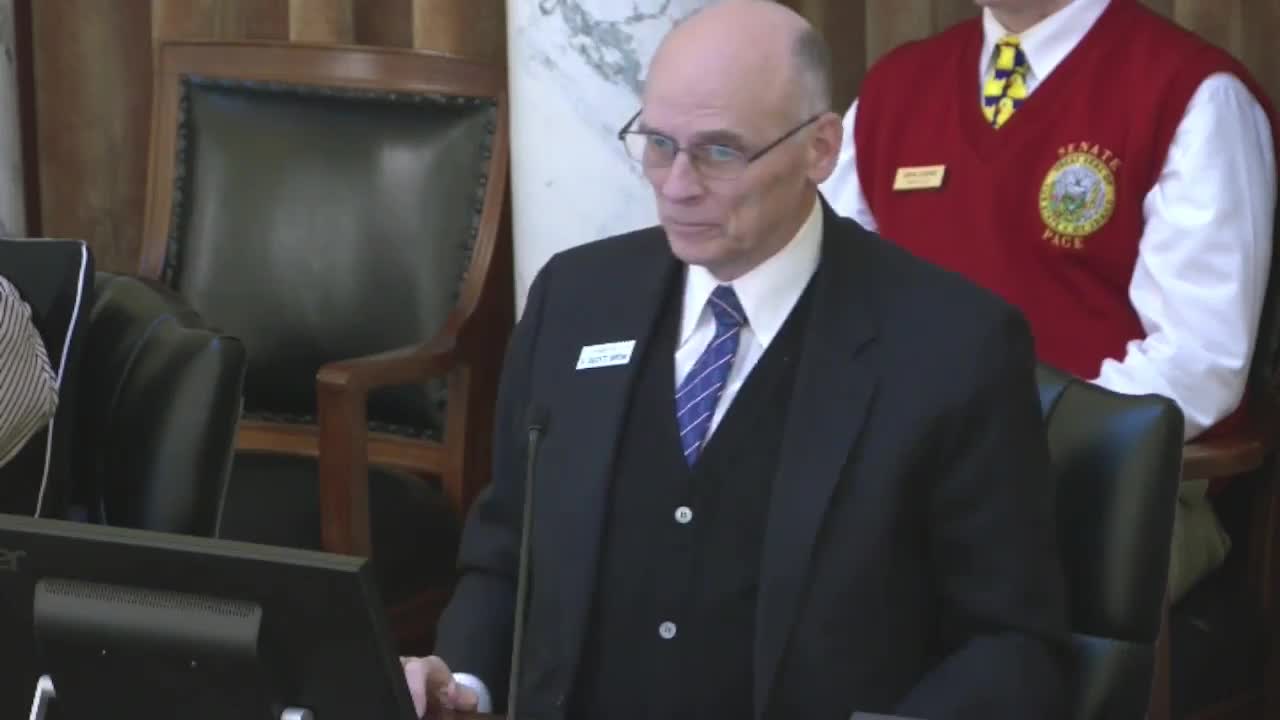
Administrator Mark Shample (transcript: Mark Chample) briefed JFAC on the division’s FY2026 request. The division requested a net zero transfer of approximately $1.2 million from operating to personnel to establish a pool of 22 temporary, benefited state positions that would replace part of the current contracted nursing workforce. Lippett told the committee that the pilot would shift roughly one‑third of contracted work in‑house, reducing reliance on agency staffing firms that charge a premium; Administrator Shample estimated contracted staff cost the division about three times the rate of state employees.
The division reported a 35% turnover rate for skilled nursing staff in FY2024 and said homes are near capacity. Shample said temporary positions would attract nurses who are unwilling to work full time but would take occasional shifts; he described the initiative as a pilot and said if successful he may request expansion in future budgets.
Shample and Lippett described substantial federal grant sums for construction: the division reported $43.1 million in anticipated U.S. Department of Veterans Affairs state home grant funding to rebuild the Boise Veterans Home and renovate the Lewiston home. That funding has not yet been received. The division said it has been unable to secure a BABA waiver from the VA, which is required because federal funding mandates domestic sourcing for construction components. Shample said the division has documented that some required materials are not available domestically and has been pursuing the waiver; the federal VA had not yet issued the waiver as of the hearing.
The division’s FY2026 requests also included IT maintenance and licensing ($120,600 ongoing) recommended by OITS, one‑time capital items including vehicles and medical equipment ($354,700), and a shed and dump truck for Post Falls and Boise cemetery work (combined requests). Lippett noted the division’s fiscal pattern: large differences between appropriations and expenditures typically reflect federal grant timing and carryovers.
Committee members asked for pay comparisons between state employees and contracted nurses and for evidence supporting the expected savings; Lippett said she would provide comparative pay information and reiterated the division’s estimate that contracted labor carries about a 40% premium in some contexts and that contracted staffing can cost roughly three times state employee rates. The committee did not vote on the requests during the hearing.