Get Full Government Meeting Transcripts, Videos, & Alerts Forever!
Get email alerts on the Education Finance topic
No spam. Unsubscribe anytime.
Scholarships and grants program seeks staffing for application systems amid heavy trustee payments
Summary
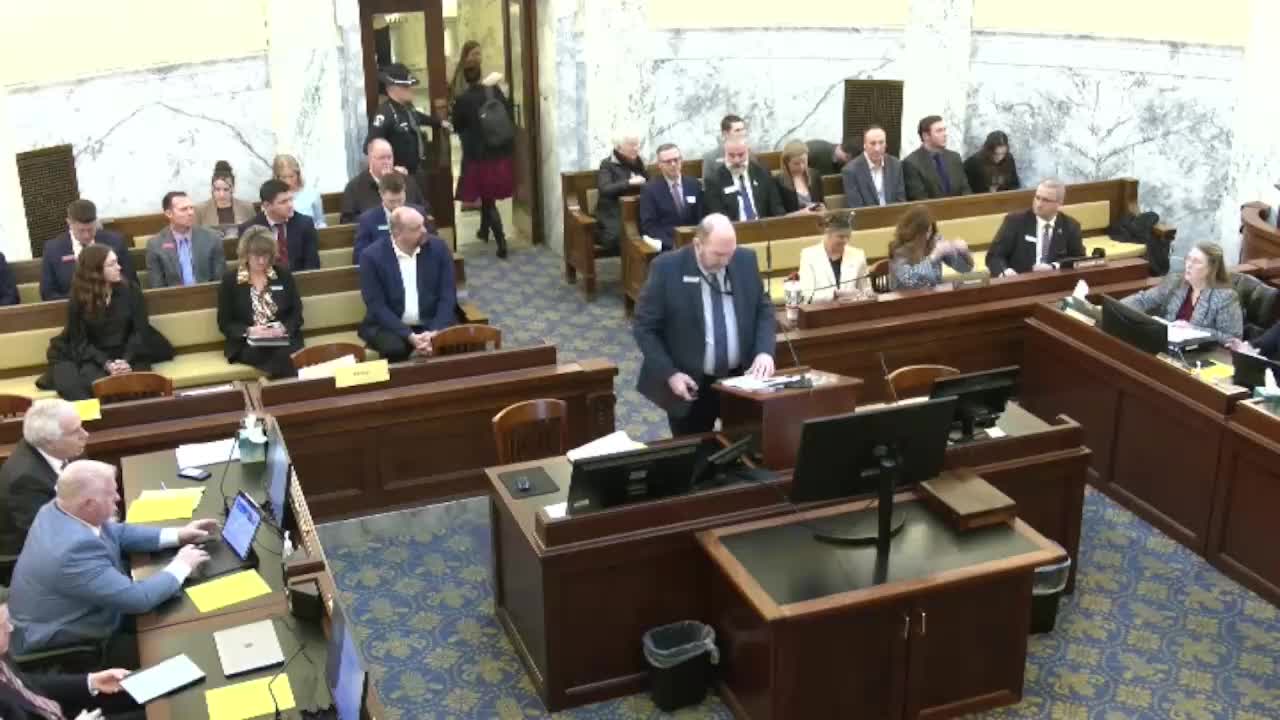
Kevin Campbell, budget and policy analyst, told the Joint Finance-Appropriations Committee that the Scholarships and Grants program is overwhelmingly trustee and benefit payments and has asked for funding to support an educator incentive program and an IT position to maintain application systems.
Kevin Campbell, budget and policy analyst with the Legislative Services Office, presented the Scholarships and Grants budget and told the committee the program is largely trustee‑and‑benefit payments: 99.5% of spending is for awards; 0.5% is personnel costs. The program administers five major scholarships and grants, including the Opportunity Scholarship, Idaho Work Study, the Armed Forces and Public Safety Officer Scholarship, GEAR UP federal scholarships, and the Bridging Rural and Underserved Educator Incentive Program.
Campbell said timing and award cycles drive spending variability: award schedules do not always align with the state fiscal year, and the number of applicants and award recipients can fluctuate. The program currently has 1.35 FTP and no vacancies, he said.
Scholarships and Grants requested $1,375,000 for the Bridging Rural and Underserved Educator Incentive Program in FY2026 and requested funding for a software engineer to maintain and upgrade public-facing application databases and interfaces. The board’s executive director, Josh Whitworth, told the committee that current systems require maintenance, upgrades and security work and that a backlog of changes exceeds current staffing capacity. Whitworth said the office will review performance measures and report back on whether scholarships meet program goals, including recruitment and retention goals for rural and underserved districts.
Why it matters: The program’s spending is heavily driven by award payments and program policies. The committee asked for additional outcome data — such as counts of teachers placed in rural districts and retention statistics — to evaluate the educator incentive program and the Opportunity Scholarship’s effect on student enrollment and persistence. Whitworth said those data will be compiled and returned to the committee.
No formal committee vote was taken at the hearing; the presentation was part of the budget cycle.