Get Full Government Meeting Transcripts, Videos, & Alerts Forever!
Get email alerts on the Agriculture Invasive Species topic
No spam. Unsubscribe anytime.
Idaho Department of Agriculture asks for pay ladder, quagga mussel funding after expanded 2024 response
Summary
The Idaho Department of Agriculture outlined FY2026 budget requests including a career-ladder pay structure for agricultural investigators, continued funding for quagga mussel response and one-time replacement items after a large 2024 effort to double sampling and inspections statewide.
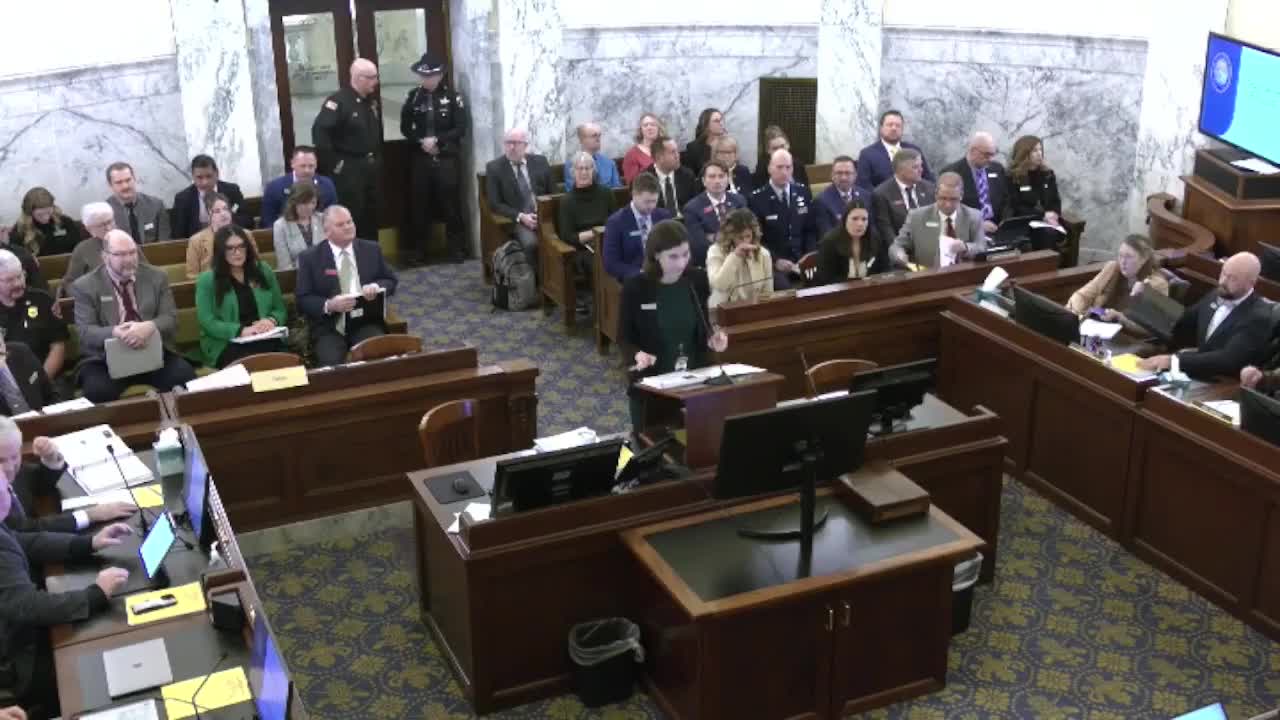
The Idaho State Department of Agriculture told the Joint Finance-Appropriations Committee on Oct. 24 that it is seeking ongoing and one-time budget increases to address staff retention, equipment replacement and continued invasive-species response following expanded work in 2024.
The department requested a $340,400 ongoing appropriation to create a pay structure for 53 agricultural investigator positions, and a $1.1 million one-time request that includes vehicles and IT hardware replacements. Frances Lippett, budget and policy analyst with the Legislative Services Office, summarized the department’s FY2026 request and fiscal trends for the committee.
The department “doubled the sampling statewide” and increased watercraft inspections in 2024 as part of its response to quagga mussels, Director Chanel Tewell told the committee. Lippett said the Legislature provided a $5,000,000 one-time general‑fund infusion to the invasive species fund in the prior session and an ongoing $1.5 million general‑fund appropriation for staffing and check stations; the $5 million transfer is driving a projected decline in the invasive‑species fund balance because of the extent of response activity rather than lower sticker‑fee revenue.
The FY2026 personnel and equipment requests are tied to several trends summarized by Lippitt: the department has maintained about a 91% staffing rate overall but many agricultural investigator senior positions are new—23 of 53 investigators have been with the department less than two years, Lippett said—and only nine have 10 or more years’ experience. Lippett said the career ladder funding is intended to encourage retention and professional development.
The department’s FY2025 one‑time requests included $1.1 million for replacement items, $891,000 of which Lippett said covered vehicle replacements and $214,700 for IT hardware. Representative Mitchell asked how many vehicles; Lippett said she could provide a list and believed the number was 17 vehicles, mostly pickup trucks and a couple of SUVs. The department’s FY2025 enhancements also included positions in the seed lab, a veterinary medical officer and additional dairy inspectors.
Lippett told the committee the pest control fund balance of $1.7 million reflects FY2024 costs—chiefly Mormon cricket treatment and monitoring—that the department seeks to pay in FY2025. On the invasive species fund she reiterated that the FY2024 spike in spending was a result of the quagga‑mussel response and the Legislature’s prior infusion for that work.
Senator Cook and others pressed the department on where increases occurred; Tewell emphasized the expanded sampling, inspections and check‑station staffing added in 2024 and said the state performed treatments on the Snake River in 2024. Tewell described agricultural investigators as first responders for many on‑farm complaints and said many investigators travel long distances (one covers an eight‑county area in eastern Idaho).
The department also highlighted the new “degradation of livestock and prevention” fund created by House Bill 592; Lippett said that fund received $225,000 from the general fund to compensate livestock owners for losses caused by grizzly bears and wolves. Lippett noted a resilient food systems USDA grant and other federal grants that contributed to a fiscal‑year appropriation jump from $47.5 million to $67.1 million over several years.
The presentation closed with Lippett offering to provide the committee with a vehicle list and other follow‑ups; Director Tewell said the department intentionally pared enhancement requests versus last year’s submittal and reiterated the retention focus for investigators.
The committee did not take a formal vote during the presentation; the requests will be considered in the wider JFAC budget process.