Get Full Government Meeting Transcripts, Videos, & Alerts Forever!
Get email alerts on the Higher Education topic
No spam. Unsubscribe anytime.
Community college leaders tell Idaho Senate they need funding to meet surging enrollment and wait lists
Summary
Presidents from Idaho’s four largest community colleges told the Senate Education Committee they are growing rapidly, have multi-program wait lists and are asking the Legislature for capacity funding—citing nursing, welding and other workforce programs as immediate priorities.
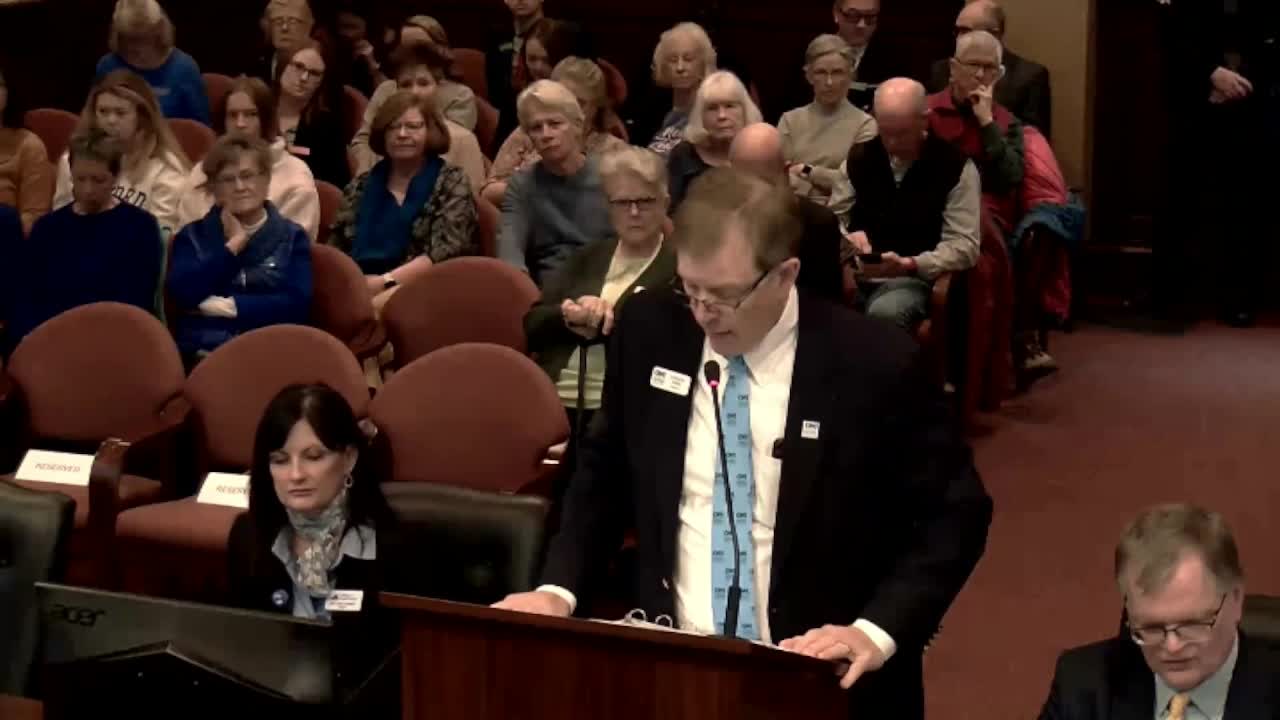
Boise — Presidents from College of Western Idaho, College of Southern Idaho, College of Eastern Idaho and North Idaho College told the Idaho Senate Education Committee on a daylong hearing that demand for community college programs has surged and that the state should invest in capacity to keep up.
“Students are at the heart of what we do,” College of Western Idaho President Gordon Jones said, describing CWI as a 16‑year‑old institution serving about 31,000 unique individuals across more than 120 programs. “We prepare students for roles that by and large are paying between $50,000 and $100,000 in the labor market.”
The presidents detailed common themes: strong year‑over‑year enrollment gains, expanded workforce training, persistent wait lists for high‑demand programs and pressure on facilities and staffing.
Why this matters: Committee members said rising enrollment and program wait lists put pressure on Idaho’s workforce pipeline for health care, advanced manufacturing, agriculture and public safety. College leaders framed a modest set of funding requests as targeted help to expand seats, classrooms and instructors rather than broad operating increases.
The most urgent needs and local details
- College of Western Idaho (President Gordon Jones) said the college is serving roughly 31,000 unique learners, including more than 55 career‑technical programs. Jones said CWI has had eight consecutive semesters of growth and reported an additional roughly 800 students this spring versus last spring. He said programs such as nursing (one RN program noted with tuition over $10,000), automotive technology and welding have wait lists; Jones said nursing had “over a hundred students on our wait list” against a capacity of 64 and welding had a wait list of “over 50.”
- College of Southern Idaho (President Dean Fisher) told the committee CSI served about 10,456 credit‑bearing students last fall and about 16,586 unique credit learners in 2023–24. Fisher said CSI also served roughly 7,000 noncredit workforce learners, runs Head Start sites and provides older‑adult services. He said CSI’s radiologic technology program can take 15 students but had about 80 students on a wait list. CSI is pursuing several construction projects, including a 20,000‑square‑foot Jerome center focused on trades and allied health.
- College of Eastern Idaho (President Lori Barber) said CEI has grown “far beyond our original capacity,” reporting a 273 percent increase in credit‑seeking students since its earlier campus configuration and that the campus saw all 688 parking spaces full during peak times. Barber said CEI’s workforce division delivered more than 14,000 trainings in fiscal year 2024 and that nursing capacity has grown from an earlier 35‑student intake to space that can enroll more than 220 prospective nurses.
- North Idaho College (President Nick Swain) said NIC is regaining enrollment after a period of decline and reported strong gains in dual‑credit and career‑technical programs. Swain described new industry demand—two new silver mines in North Idaho expected to need some 300 skilled workers each—and said NIC is expanding pathways in mining, mechatronics and construction management to meet local employer needs. He said NIC’s workforce training center serves roughly 7,100 unique students each year and that the college accepts 40 nursing students every semester and plans to expand to 60 with budget support.
What presidents asked for
Across the presentations the presidents voiced support for the governor’s capacity‑building proposal the colleges cited: a request they framed as roughly $10 million in ongoing funding plus $15 million in one‑time funds to expand classroom space, equipment and faculty for high‑demand programs. Presidents repeatedly connected modest state investment to increased seat capacity in nursing, welding, automotive technology and allied health.
Committee discussion and context
Committee members asked about partnerships with employers (apprenticeship and paid‑training models), use of open educational resources to lower textbook costs and how colleges are using community partners’ facilities to expand class hours. Senators and presenters noted that many community colleges have not raised tuition in years and are seeking state help to add instructors, lab space and equipment rather than recurring tuition increases.
Ending
College presidents asked the committee to view capacity funding as an investment in Idaho jobs and local economies. “We’re a great bang for the buck,” Jones said, noting CWI’s relatively large enrollment on a $74 million budget. Senators said they appreciated the briefings and the committee moved next to other agenda items.