Get Full Government Meeting Transcripts, Videos, & Alerts Forever!
Get email alerts on the Administrative Law topic
No spam. Unsubscribe anytime.
Board of Tax Appeals asks Legislature to raise per diem to $400 as caseload and training demands persist
Summary
The Board of Tax Appeals requested $29,200 in ongoing general fund to raise per diem from $300 to $400 for three part‑time board members, citing preparation, travel and training needs; committee members pressed on reversions and workload.
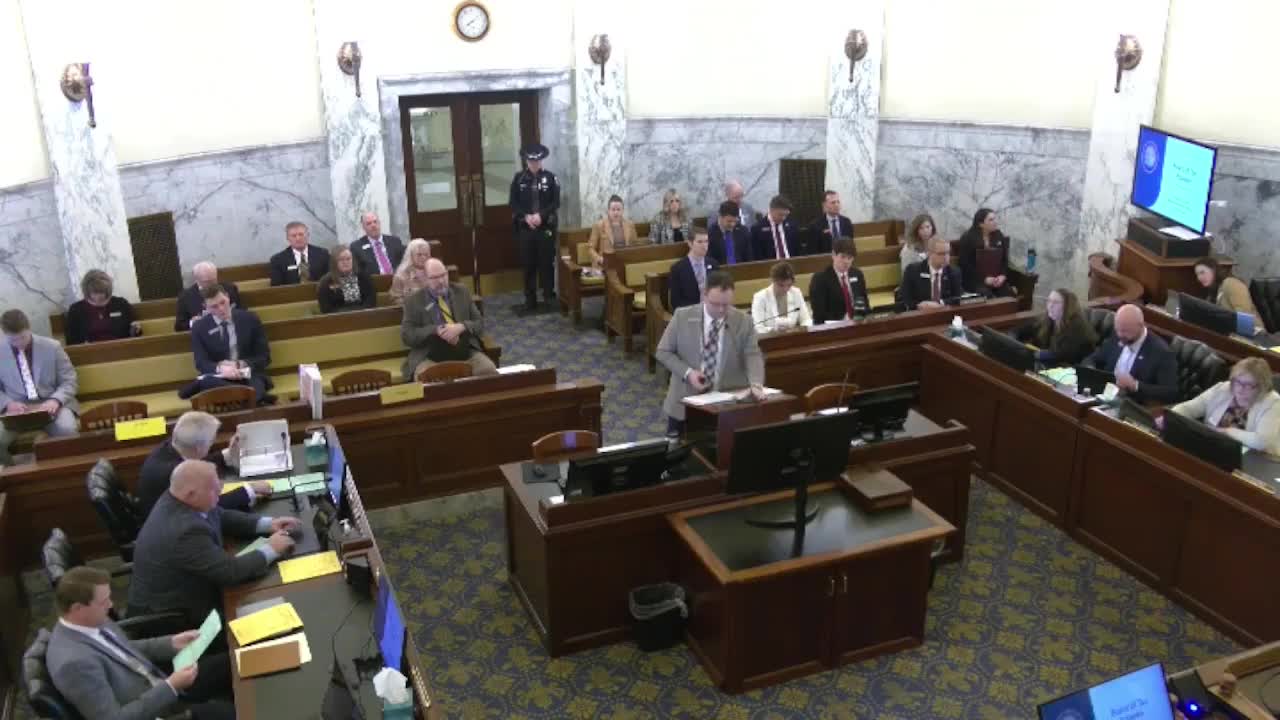
The Joint Finance‑Appropriations Committee heard a request from the Board of Tax Appeals to increase the per diem for its three board members from $300 to $400 per day, a change the agency says would require statute amendment and would add $29,200 in ongoing general‑fund personnel costs.
Christopher Lahoset, a budget and policy analyst with the Legislative Services Office, presented the agency’s enhancement: the board’s three members act as quasi‑judicial adjudicators and the agency models the work as 80 days per year. Lahoset said the $300 per diem equates to about $37.50 per hour under an 80‑day model and the proposed $400 per diem would raise that to roughly $50 per hour; the change would require amendment to Idaho Code section 63‑3804.
Director Cindy Pollock told the committee the board does prep work and decision‑making in addition to hearing time. “The board is only allowed to work 80 days,” Pollock said, and the board’s internal model breaks prep and decision time into hourly units so their work fits the 80‑day cap. Pollock described the board’s training regimen: it can take over a year to prepare members and they attend judicial college training. “It takes over a year to get these board members trained,” she said.
Pollock and Lahoset described a typical caseload of about 300 appeals per year, noting the agency is funded for approximately that level but occasionally requires supplemental board time after spikes in appeals. Pollock cited a recent Bannock County event that produced several hundred appeals in one year. She said a 10‑year average shows roughly 39 percent of appellants receive a modification or a ruling in their favor.
Several committee members pressed on the agency’s fiscal posture. Representative Tanner questioned why the Board would seek an ongoing $29,200 increase while the agency routinely reverts unspent funds from personnel and operating accounts; Pollock replied the per‑diem increase is a rate change and that reversions reflect unused days rather than a permanent reduction in need for member compensation. Senator Wintrow and others said the work resembles other part‑time quasi‑judicial roles, such as Pardons and Parole, and argued compensation should reflect expertise and time commitments.
The Board said no formal action was taken during the hearing. Committee staff and the agency agreed the request would require legislation to change the statutory per‑diem rate, and members asked for additional context on training, caseload variability and the budget impact of paying members at the higher rate when days are not used.