Get Full Government Meeting Transcripts, Videos, & Alerts Forever!
Get email alerts on the Nic E Wa Accreditation Capacity topic
No spam. Unsubscribe anytime.
North Idaho College presses for capacity funding as enrollment rebounds, accreditation moves to probation
Summary
North Idaho College told JFAC that enrollment is up (about 15% reported), but the EWA formula would cut state funding by roughly $446,800; NIC requested funding to add nursing and welding faculty and sought relief from the trailing EWA calculation while reporting it has moved from "show cause" into probation with its accreditor.
North Idaho College officials told the Joint Finance-Appropriations Committee that a recent enrollment rebound has created urgent training and faculty needs even as the state’s enrollment workload adjustment (EWA) formula would reduce NIC’s ongoing appropriation.
Kevin Campbell, a Legislative Services Office analyst, summarized NIC’s budget history and noted the FY2026 EWA result produces an ongoing reduction of $446,800. "In FY 2026, the EWA formula results in an ongoing reduction of $446,800," Campbell said.
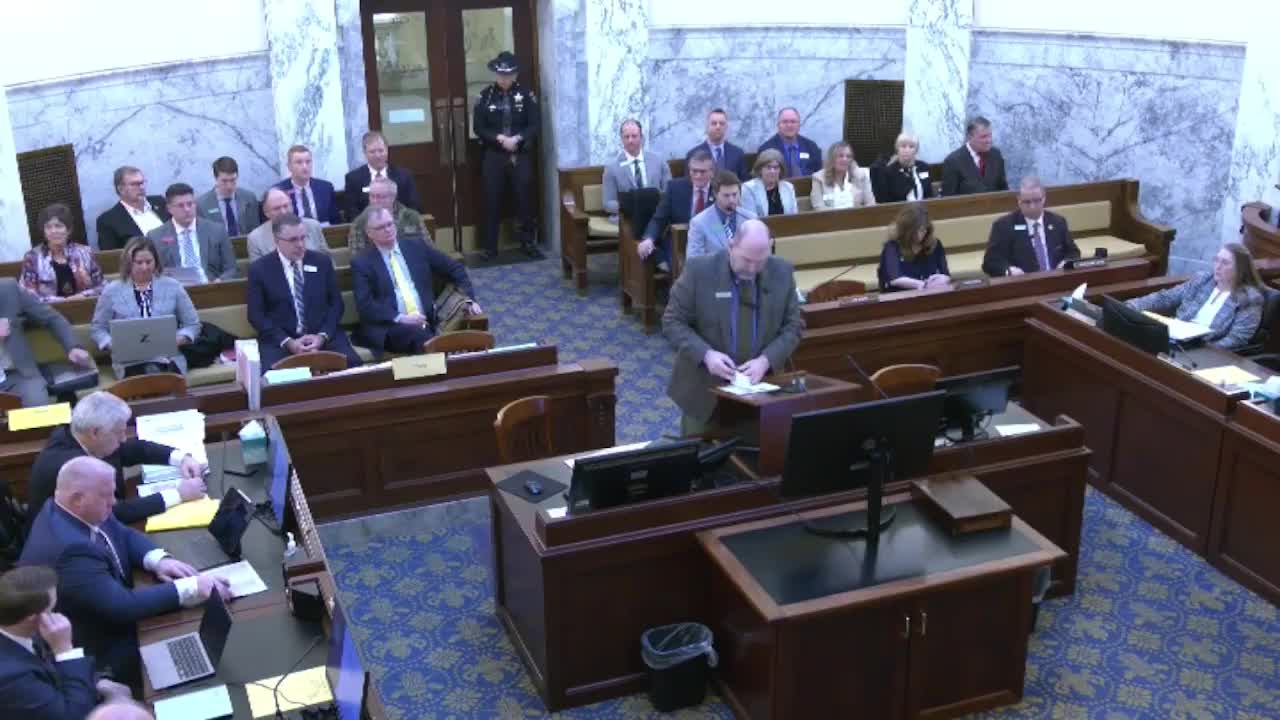
President Nick Swayne said the college’s fall and spring enrollments rose about 15% and that the EWA reduction is a painful lagging effect of a trailing-average formula. "The challenge with EWA is that it's a trailing average ... so while your numbers go down, it helps you. But when your numbers turn around, it hurts you because it's still cutting you," Swayne said, adding NIC saw a 15%–15.5% increase in fall and spring and reported 571 new students on campus this spring.
Why it matters: NIC leaders urged the committee to consider capacity funding and temporary relief from EWA cuts while the college scales up nursing, welding and cybersecurity programs. The college said faculty and clinical-supervision constraints limit immediate seat expansion in medical fields; Swayne said five nursing faculty hires could raise semester intake from 40 to 60 students (a 50% increase).
Additional context from NIC: Campbell noted NIC typically spends its full state appropriation, with a five-year average base-budget growth of 4.2% and a disclosed 2024 appropriation figure printed in the budget book. Swayne told the committee the college is the oldest community college in the state and has satellite outreach sites in Sandpoint, Rathdrum and Post Falls; Sandpoint offers a broad complement of services including dual enrollment and expanded CTE offerings.
Accreditation status: Swayne said NIC was placed on show cause in February 2023 but, as of the night before the hearing, had been moved off show cause and placed on probation. "We are officially off show cause and in under probation," Swayne said. He told the committee that the prior turnover of senior staff had driven part of the accreditation concern and that probation continues to affect recruiting and retention in a high cost-of-living market.
CTE and cybersecurity needs: The college emphasized nursing and welding as primary capacity priorities. Nursing expansion is bound by external accreditation expectations and clinical student-to-supervisor ratios (Swayne described a common 10-to-1 clinical requirement). NIC also highlighted rising cybersecurity costs to defend institutional data after past cyber incidents; Swayne said annual cyber costs had grown from about $250,000 to more than $500,000.
Funding ask and intended use: NIC asked that capacity funds be used to hire faculty (Swayne estimated about $100,000 salary+benefits per faculty position) and to support program growth that responds to local employer demand. For example, a welding instructor would let NIC expand first-year cohorts so more students can complete the second year, and five nursing faculty could enable the college to increase clinical cohorts to meet local hospital needs.
Caveats and next steps: Swayne asked JFAC to consider holding NIC harmless for sudden EWA reductions while the college sustains growth. He said NIC serves primarily Kootenai County taxpayers (the college has taxing authority only in Kootenai County) and that other North Idaho counties reimburse out-of-district students through county arrangements; precise per-student county reimbursement figures were not on hand and were offered to be provided to the committee later.
Swayne closed by urging continued legislative support as the college ramps up capacity tied to workforce demand. "We're working really hard to get our retention and graduation rates to 90 percent," he said.