Get Full Government Meeting Transcripts, Videos, & Alerts Forever!
Get email alerts on the Labor Budget And Policy topic
No spam. Unsubscribe anytime.
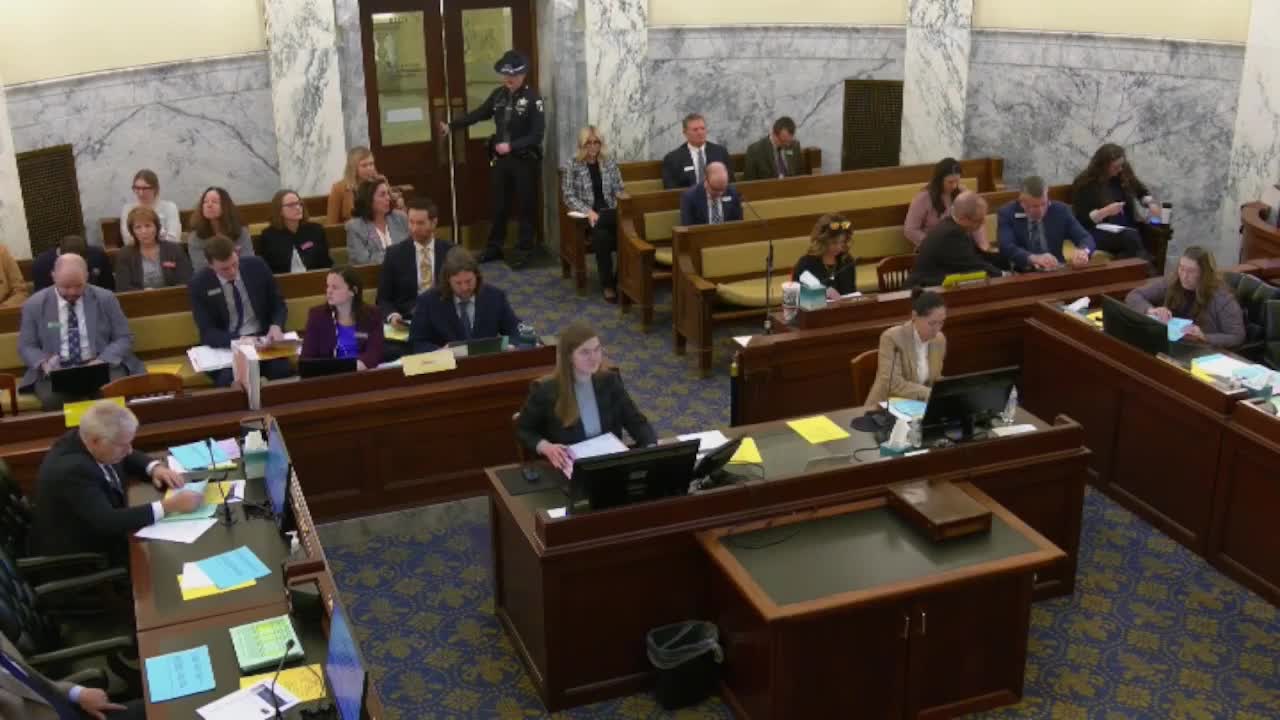
JFAC approves Department of Labor FY2026 funding shift; requested intent language on immigration and disability reports fails in committee
Summary
Committee approved a net $161,000 increase for the Department of Labor by shifting federal and dedicated funds, but two pieces of non‑monetary language requesting reports on the impact of illegal immigration and on state versus federal disability determinations failed to secure a House majority and will be referred to the House.
The Joint Finance‑Appropriations Committee on Thursday approved an adjustment to the Department of Labor’s FY2026 budget that shifts authority between federal and dedicated funds and reduces 15.58 full‑time positions from the federal grant fund while adding $5 million from a dedicated administration fund.
Senator Cook moved the budget adjustment, which the committee recorded as a net increase of $161,000 for FY2026. Brooke Dupree, budget and policy analyst with the Legislative Services Office, told the committee the request reflects lower expected federal grant awards tied to recent low unemployment numbers; as a result the department sought to move operations onto the Employment Security Special Administration Fund.
Dupree and other members described personnel adjustments: a reduction of roughly 15 full‑time positions in the determinations program and a small reduction in administrative services FTEs, offset by dedicated fund adjustments. The motion passed on a committee roll call and received a due‑pass recommendation.
Separately, committee members considered two non‑monetary pieces of language pertaining to the Department of Labor. The first would have required a report to JFAC analyzing the impact of illegal immigration on the state labor market. The second would have required a report comparing the costs of administering disability determination services at the state level versus relying on the federal level.
Proponents said the reports would provide data to inform any future policy decisions. Opponents cautioned that intent language without an appropriation can amount to a direction to the executive branch and that disability determinations are governed by federal rules and must be approached with stakeholder consultation.
A motion to adopt both language items failed in committee after a split vote: the Senate recorded 8 ayes and 2 nays while the House recorded 4 ayes, 5 nays and 1 absent/excused, so the House did not approve the language. Committee staff said the language will be forwarded to the House for further consideration.
No changes to existing benefits or programs were made by the language vote; the budgetary adjustments approved by the committee address anticipated federal grant shifts and personnel alignments for FY2026.