Get Full Government Meeting Transcripts, Videos, & Alerts Forever!
Get email alerts on the Literacy Program Funding topic
No spam. Unsubscribe anytime.
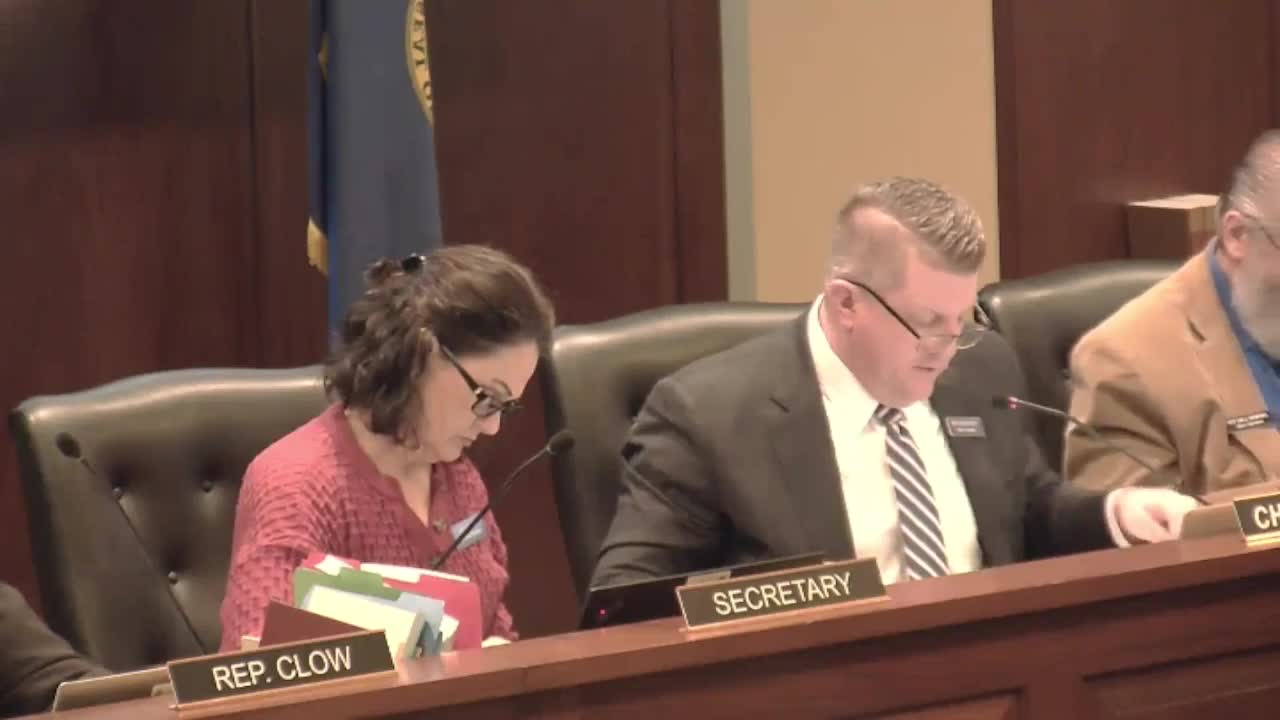
House committee gives due‑pass to SB 1069 to expand SMART literacy coaching with $5 million request
Summary
After a lengthy hearing with teachers, coaches, superintendents and opponents, the House Education Committee voted 11–3 to send Senate Bill 1069 to the floor with a due‑pass recommendation; the bill would appropriate $5 million ongoing to expand SMART coaching and administrator training focused on the science of reading.
The House Education Committee voted 11–3 to send Senate Bill 1069 to the floor with a due‑pass recommendation after extensive testimony on both the effectiveness and the costs of expanding a state-supported literacy coaching program.
Senate Bill 1069, introduced in the House by Representative Gerald Raymond (sponsoring a Senate measure), would appropriate $5 million ongoing to expand the SMART (Striving to Meet Achievement in Reading Together) coaching program. During the committee hearing, the State Superintendent and program leaders described SMART as a two‑year cohort program that trains teachers in evidence‑based, structured-literacy practices and sends trained coaches—described by the department as Idahoans with classroom experience—to provide monthly, in-class coaching and administrator training.
Superintendent Critchfield told the committee the appropriation would fund contract coaches rather than adding FTEs to the Department of Education. "It doesn't add new staff to the Department of Education," she said. Megan Wunderlich, director of content and curriculum for the State Department of Education, said the program is in year four of implementation and that many participating teachers report improved practice and ask colleagues to join. "Year over year, we have a waiting list to be part of the program," Wunderlich said.
District leaders and SMART coaches testified in support and gave local examples. Carla LaOrange, superintendent of Idaho Falls School District, said at Temple View Elementary "every single teacher at Temple View Elementary is now fully trained in the SMART program," and reported that 81% of kindergarten through third‑grade students there tested at grade level on a February assessment. LaOrange said similar gains were reported at other Idaho Falls schools, including one school with 94% of K–3 students at grade level.
Coach and program testimony emphasized the classroom coaching model. Mary Spiker, a SMART coach and former teacher of the year, said monthly coaching visits help teachers implement evidence‑based routines and cited improved teacher confidence and student outcomes. Sierra May, a rural SMART coach, said she had observed significant change in student spelling and early reading confidence.
Opponents urged caution about adding an appropriation without first reallocating existing literacy funds. Sam Lehi of the Idaho Freedom Foundation said Idaho already spends approximately $72.8 million annually on literacy intervention and argued the state should evaluate existing spending before adding new, ongoing funds. "Instead of allocating additional money to the fund, I think we need to find a more effective way to use those," Lehi testified, citing static ISAT and declining NAEP performance in some measurements.
Committee debate included procedural and fiscal motions. Representative Tanner asked whether program coaches could be developed from trained teachers so the appropriation would be temporary; program witnesses said the goal is to build local capacity over time, but also that coaching and ongoing onboarding would still be needed because of teacher turnover and the need to sustain expertise. A substitute motion to hold SB 1069 until March 12 was offered and failed by roll call (5–9). The committee then voted 11–3 to send the bill to the floor with a due‑pass recommendation.
Next steps: SB 1069 will be placed on the House calendar with a due‑pass recommendation. Committee members requested follow-up material on program scale, coach training and procurement procedures; fiscal analysts will be asked to clarify how the $5 million interacts with existing state literacy funding.