Get Full Government Meeting Transcripts, Videos, & Alerts Forever!
Get email alerts on the Higher Education Community College Budget topic
No spam. Unsubscribe anytime.
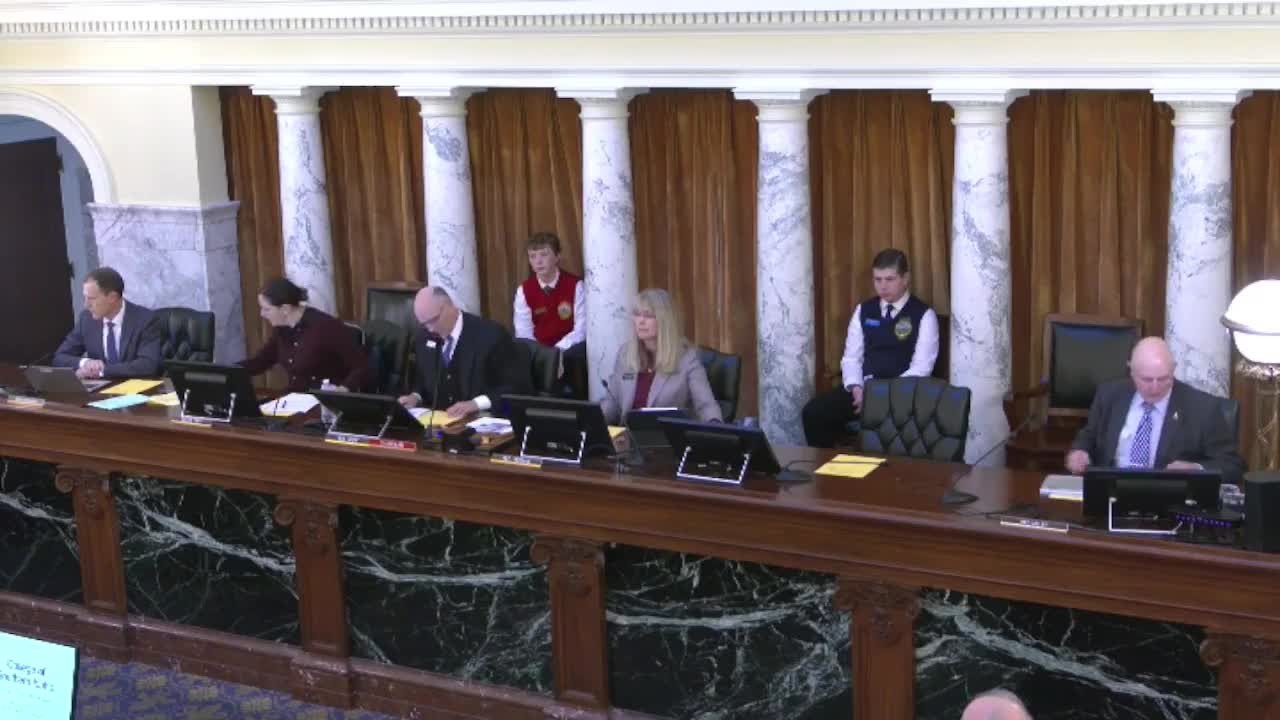
College of Southern Idaho officials tell JFAC rapid enrollment is straining classrooms, staff pay lags peers
Summary
CSI reported a 20% enrollment increase in fall 2024, growing by about 3,800 students since fall 2021. President L. Dean Fisher and the college asked JFAC to consider the governor nd the college—apacity proposals, citing waiting lists in CTE programs, a $475,700 FY2026 EWA request and a faculty pay gap of roughly 12% versus regional peers.
College of Southern Idaho President L. Dean Fisher told the Joint Finance Corporation Committee (JFAC) that the college experienced a 20% enrollment jump in fall 2024 and has added roughly 3,800 students since fall 2021, and said the growth is outstripping the college's capacity.
Kevin Campbell, a budget and policy analyst with the Legislative Services Office, opened the presentation with an overview of CSI's base budget and its FY2026 request, noting the college's request includes an enrollment workload adjustment (EWA) request of $475,700 and that appropriations to community colleges are made as a single trustee payment rather than by object category.
Why it matters: CSI officials said the surge is largely driven by Idaho Launch and other enrollment gains and that immediate capacity needs are primarily in instructional staff and specialized learning space. Fisher and college leaders asked JFAC to support the governor's capacity-building proposal and a one-time infrastructure request so the college can hire instructors and expand learning spaces.
Fisher told the committee that the 20% growth reported for fall 2024 was "outside of dual credit" and that, without additional capacity building, "I don't know how we continue to sustain this level of work." He said CSI's faculty and some staff lag regional pay by about 12%: "If we compare the College of Southern Idaho with the mean for pay for faculty and staff within the region ... we're about 12% off of what the pay is within the region at community colleges." He estimated roughly $400,000 annually would begin to close that gap for faculty ladder pay.
Committee members pressed for program-level detail. Fisher said the college's FY2026 EWA request would fund five additional instructors focused on general education courses that support increased enrollment across campus; if EWA funds are paired with anticipated CTE enhancements, those five hires would be "general education faculty" rather than CTE instructors. Fisher estimated one faculty member teaches about 150 students per academic year and that five faculty could serve about 750 more students.
Fisher and Vice President Chris Bragg described CTE bottlenecks with concrete waiting lists: a radiologic technology program with a cohort of 15 admits and a waiting list of 84, and nursing programs limited by clinical placement and faculty availability. Fisher also identified a veterinary technician program with a 40-student capacity that could be doubled if funding and facilities were provided and the college could hire necessary faculty and technicians.
Fisher highlighted retention and student-support work: CSI reports an 85% fall-to-spring retention rate (above a national average Fisher cited of about 60%), and the college reduced textbook costs by roughly 50% after adopting open educational resources and similar approaches. Fisher also described scaling a Bridge to Success program from 40 students to about 500.
On the governor's $25 million capacity initiative, Fisher urged JFAC support for both ongoing personnel funding and one-time infrastructure dollars, saying learning spaces are often specialized and must accompany hiring to expand programs such as welding or health professions.
What remains unsettled: Fisher acknowledged some figures he cited were approximate (for example, the 12% pay gap and the student-origin estimate he said was "data inference"), and several committee members asked for more specific program-by-program data if available. The college did not present any formal motions or votes during the session.