Get Full Government Meeting Transcripts, Videos, & Alerts Forever!
Lawmakers Hear Overview of Idaho Medicaid Budget; Officials Cite COVID, Provider Rate Increases and Hospital Assessment Changes as Key Drivers
Summary
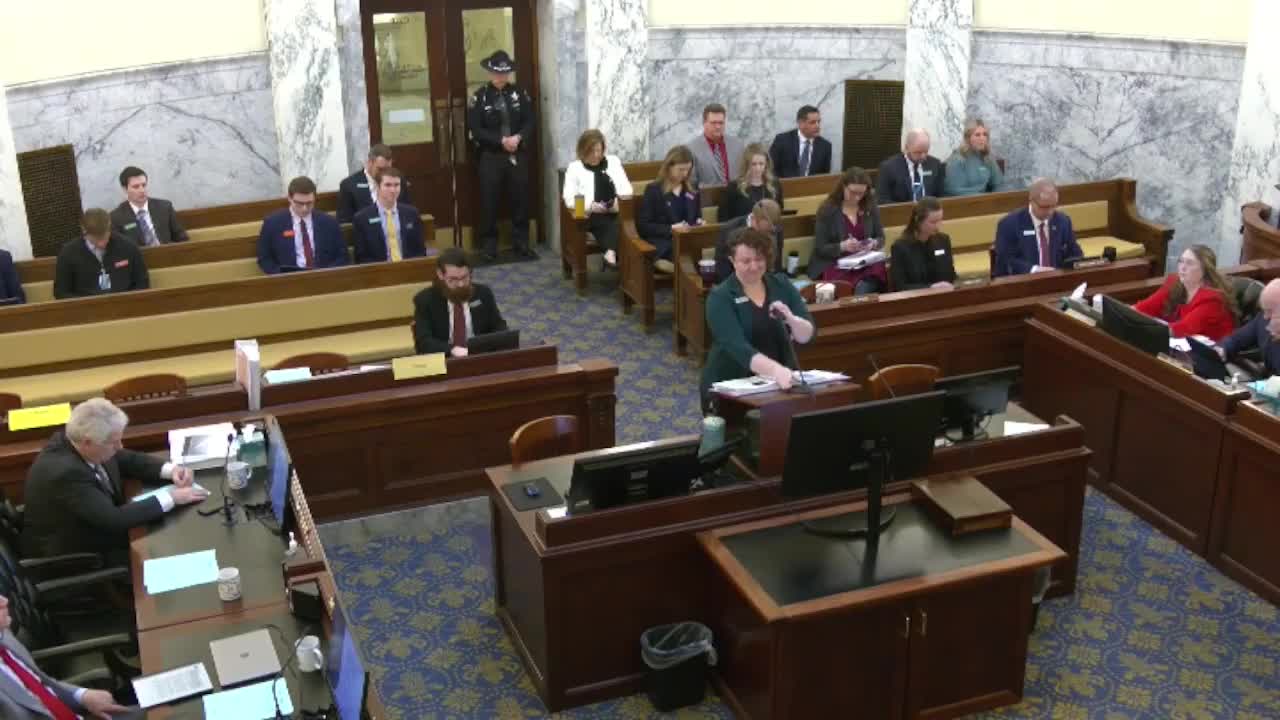
BOISE, Idaho — Department of Health and Welfare officials on Wednesday told the Joint Finance-Appropriations Committee that Idaho’s Medicaid budget has grown substantially in recent years because of multiple factors, including the COVID-19 public health emergency, provider rate increases enacted by the Legislature, changes to hospital reimbursement calculations and general caseload and utilization growth.
BOISE, Idaho — Department of Health and Welfare officials on Wednesday told the Joint Finance-Appropriations Committee that Idaho’s Medicaid budget has grown substantially in recent years because of multiple factors, including the COVID-19 public health emergency, provider rate increases enacted by the Legislature, changes to hospital reimbursement calculations and general caseload and utilization growth.
Alex Williamson, budget and policy analyst with Legislative Services, told the committee that the Division of Medicaid’s FY2024 appropriation totaled about $4.56 billion and that the division expended about $4.27 billion in FY2024. She said trust/benefit payments accounted for more than 98% of FY2024 expenditures, while personnel and operating costs for Medicaid administration totaled roughly $67 million.
Why it matters: Medicaid is an entitlement program with significant state and federal spending. Committee members repeatedly pressed department officials about what levers, if any, state policymakers can use to limit future growth as Medicaid claims and related program costs rise.
Williamson summarized the division’s program structure and described who the plans cover: a basic plan for children and pregnant women; an enhanced plan for children and adults with disabilities and children in foster care; a coordinated plan for people 65 and older and dual-eligible beneficiaries; and the expansion plan for adults with incomes at or below 138% of the federal poverty level, which began in January 2020. She noted that, by participant counts, the basic population is about half of all Medicaid enrollees but accounts for a far smaller share of costs; the coordinated and enhanced populations are smaller but account for a majority of spending because of higher acuity.
Key figures cited during the hearing include: 237.5 full-time positions allocated to the Division of Medicaid (24.5 vacancies as of Feb. 10), a one-time $1.35 million supplemental request for an external quality review required by the Centers for Medicare & Medicaid Services (CMS), a $190 million supplemental request tied to the hospital assessment fund,…
Already have an account? Log in
Subscribe to keep reading
Unlock the rest of this article — and every article on Citizen Portal.
- Unlimited articles
- AI-powered breakdowns of topics, speakers, decisions, and budgets
- Instant alerts when your location has a new meeting
- Follow topics and more locations
- 1,000 AI Insights / month, plus AI Chat