Get Full Government Meeting Transcripts, Videos, & Alerts Forever!
Get email alerts on the Highway Operations Workforce topic
No spam. Unsubscribe anytime.
ITD seeks pay adjustments, equipment and 53 new frontline positions after years of staffing cuts
Summary
The Idaho Transportation Department said it added 53 frontline positions last year, is still recruiting, and is requesting targeted career‑progression pay (a $2.50 hourly shift across maintenance pay steps) to reduce turnover and recruitment costs; lawmakers pressed for details on retention and training costs.
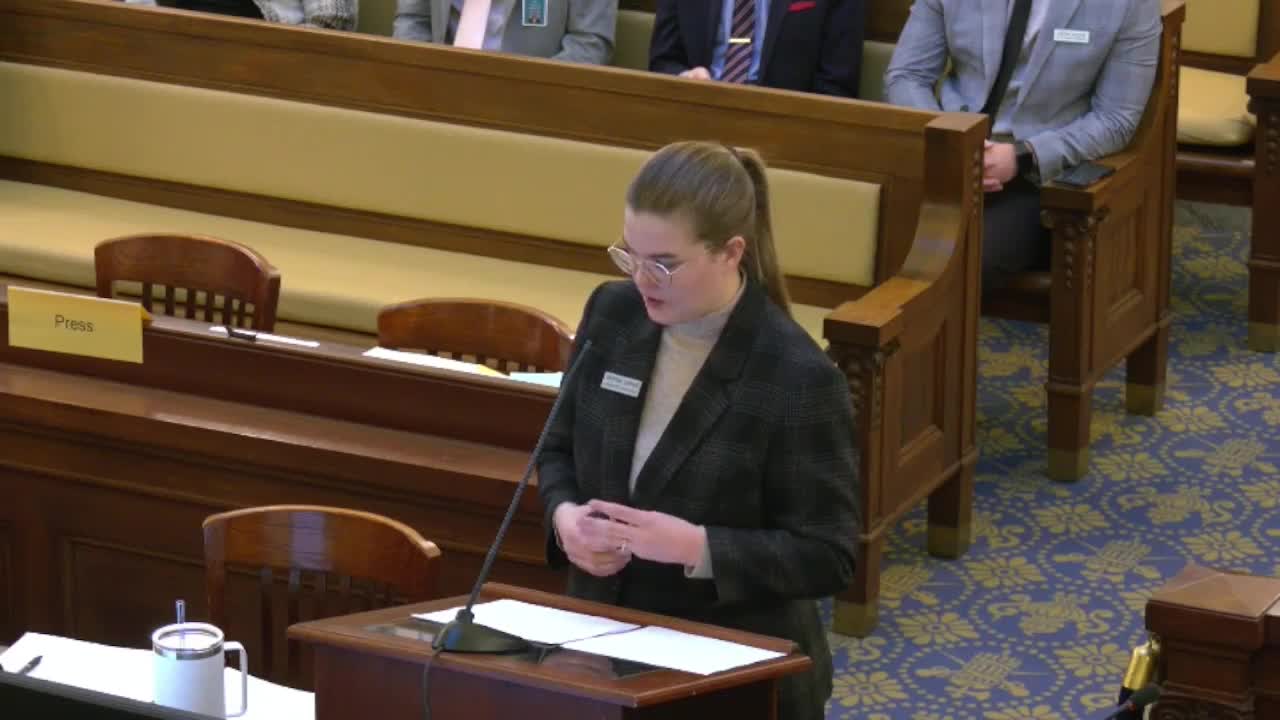
The Idaho Transportation Department told the Joint Finance‑Appropriations Committee it added 53 frontline positions in fiscal year 2025 for highway operations and is asking for targeted career‑progression pay to raise starting and step pay for dozens of maintenance roles.
Brooke Dupree, the Legislative Services Office analyst, said the FY25 budget added 53 positions (largely transportation technicians and engineering assistants) and appropriated about $3.75 million in ongoing personnel costs plus one‑time capital for those hires. Director Scott Stokes said ITD has recruited roughly 50 of the 53 positions but still has about 60–70 vacancies across the department.
The department requested a targeted CEC (career‑progression) adjustment to raise pay across maintenance horizontal career paths by $2.50 per hour. Stokes told the committee the request aims to reduce high turnover among maintenance staff: “The last 3 years, our average departure rate, just in maintenance employees, has been an average of 78 per year out of about 400.” He said many hires arrive without a commercial driver’s license (CDL) and ITD spends 6–12 months training them to qualify for plow and heavy‑equipment operations, which increases onboarding costs.
Senators and representatives asked whether pay increases would merely follow private market moves and whether the state could retain staff after training. Stokes said local cities and counties often compete for employees at higher entry rates (he cited typical city/county entry wages of $20–$25 per hour) and that the department’s retention improves once employees pass multi‑year thresholds and value state retirement and benefits.
Committee members also reviewed related equipment and software requests for Highway Operations, including a large FY26 replacement equipment request (about $55.8 million total, with roughly $44.8 million for heavy equipment) and a $1.36 million automated materials software request to track testing and construction materials. Lawmakers asked for more detailed wage survey comparisons and for follow‑up on how the CEC interacts with other pay adjustments; the department agreed to provide more detailed analysis.