Get Full Government Meeting Transcripts, Videos, & Alerts Forever!
Get email alerts on the Public Health Policy topic
No spam. Unsubscribe anytime.
Committee agrees to print bill replacing 'Coronavirus Stop Act' with broader 'Idaho Medical Freedom Act'
Summary
Senator Dan Foreman's RS31876 would replace references to coronavirus with a broader definition of "medical intervention," forbid many government and private mandates and prohibit differential pay based on intervention status; the committee voted to send it to print after limited committee discussion.
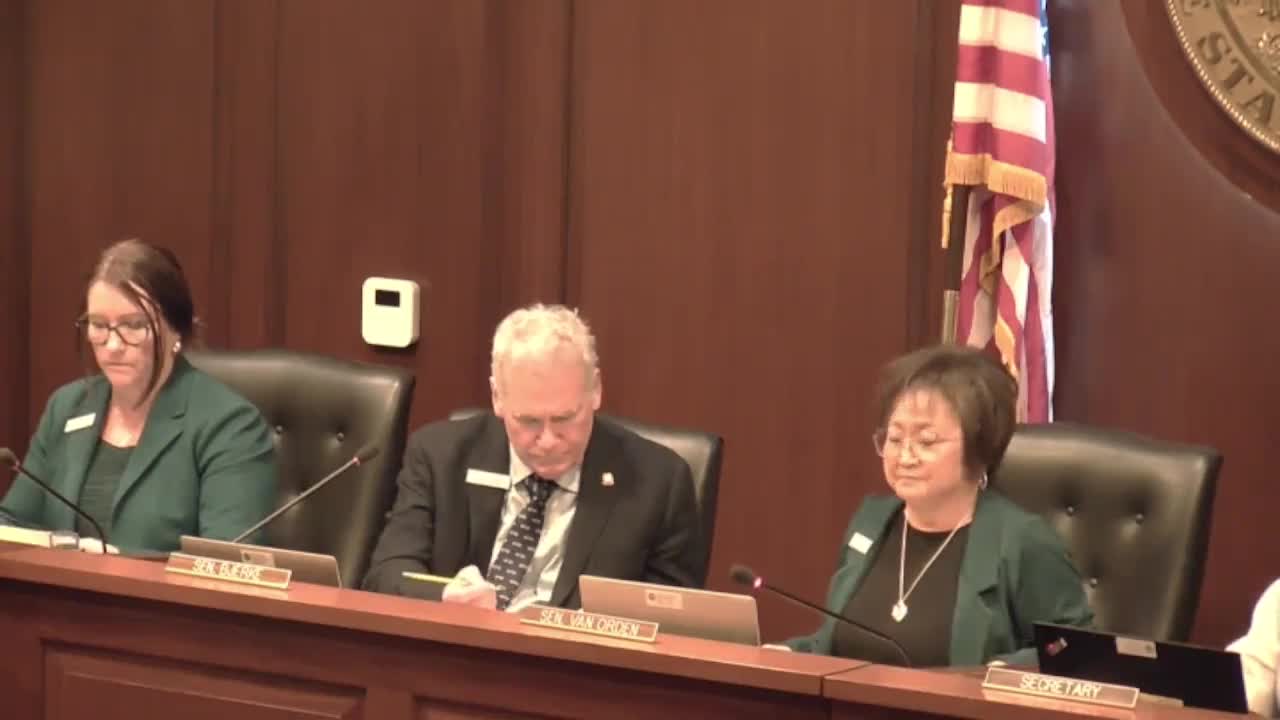
The Senate Health and Welfare Committee voted to send RS31876, which would retitle and expand the existing "Coronavirus Stop Act," to print for introduction.
Senator Dan Foreman, R-District 6, presented RS31876 and described it as a change to Idaho Code (presented as "chapter 5 title 73" in the hearing). "The proposed Idaho Medical Freedom Act replaces all references to the coronavirus with the term medical intervention," Foreman said. In his presentation he defined "medical intervention" as "any pharmaceutical or biological agent or product designed to alter or restrict the biological functioning of the human body." Foreman asked the committee for an affirmative vote to print and framed the change as protecting personal choice about medical decisions.
Under the text presented to the committee, the proposal would: prohibit public, private or parochial preschools, K–12 schools, postsecondary institutions and other educational institutions from requiring a medical intervention as a condition of attendance, campus entry or employment; bar businesses operating in Idaho from mandating medical interventions as terms of employment unless federal law requires it for foreign travel; and prohibit state, county or local governments from conditioning government benefits or services on receipt of a medical intervention. The RS also would forbid differential salary or wage offers based on whether an employee had received a medical intervention.
Senator Wintrow said she would support printing the RS to allow fuller review, but raised questions she intends to press at a later hearing about the RS's definition of "medical intervention" and the scope of restrictions on business entities. "The biggest one I have is really about the restrictions on business entities and really what a medical intervention is," Wintrow said.
The motion to send RS31876 to print was moved by Senator Lenny and seconded by Senator Zieterfeld; the committee approved the motion by voice vote. Committee members noted the printing is the procedural step that leads to a full hearing, at which members said they expect to consider the definition and business implications in more detail.
The sponsor said the Idaho attorney general reviewed the proposal and (according to Foreman) determined it does not conflict with state or U.S. constitutional provisions; Foreman also said the attorney general could seek injunctive action under Idaho Code 67-1405(15) against violators if the RS becomes law.
Next steps: The RS will be printed and scheduled for a full committee hearing where members indicated they will ask for definitions, exemptions and analyses of effects on employers and public programs.