Get Full Government Meeting Transcripts, Videos, & Alerts Forever!
Get email alerts on the Dopl Audit Cash Balances Inspector Pay topic
No spam. Unsubscribe anytime.
DOPL auditors flag high board cash balances; agency seeks pay increases for trades inspectors and requests more tools to manage fee reserves
Summary
Legislative auditors say the Division of Occupational and Professional Licenses must reduce excess cash balances across boards; DOPL requested targeted pay increases for inspectors and described turnover and vehicle and hardware replacement needs.
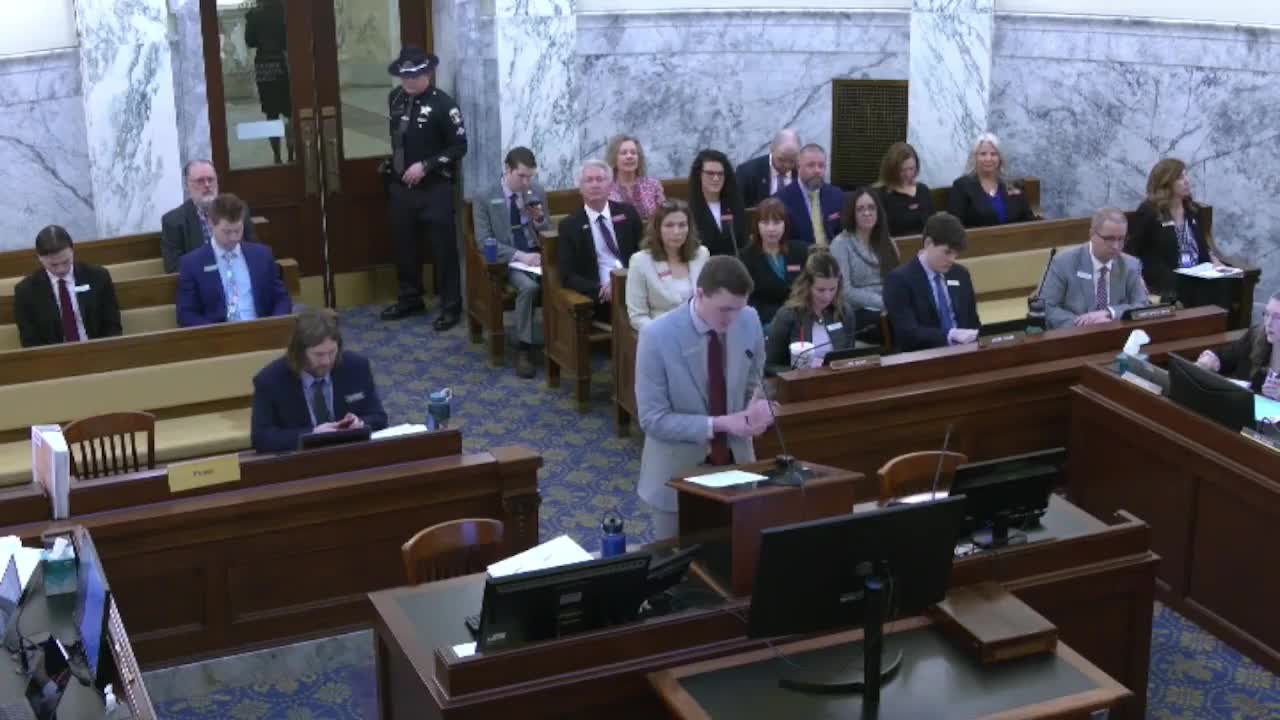
The Joint Finance‑Appropriations Committee on Feb. 6 heard from the Division of Occupational and Professional Licenses (DOPL) and legislative auditors about audit findings, fee‑reserve imbalances and staffing challenges. Auditors said one open, longstanding finding centers on high cash balances held by some licensing boards and the division’s multi‑year plan to correct those balances.
April Renfro, Legislative Auditor, summarized the audit: DOPL must ensure accuracy of financial reports to boards, consistently allocate indirect expenditures, and manage excessive cash balances for individual boards. “If they have cash balances 125% in excess of what they need for their annual expenditures that’s probably too much cash,” Renfro said, noting DOPL has been providing reports and plans to reduce balances and that reducing reserves by changing fees is a multi‑year process.
Kellen McGurkin, a Legislative Services analyst, and Administrator Russ Baron described the agency’s structure and recent changes: DOPL was formed after House Bill 318 (2020) consolidated multiple agencies; it now includes three professional bureaus and an administrative bureau overseeing about 45 boards and commissions. McGurkin said the agency previously reported roughly 200,000 licensees; Baron later noted licensees have grown “toward almost 300,000,” and the committee received both figures in committee testimony.
DOPL described operational needs and a personnel request tied to recruitment and retention. The agency requested an average inspector pay increase of about $0.95 per hour across 92 FTP to address turnover among building‑construction and real‑estate inspectors. Baron said turnover for inspectors has ranged from 12% to 67% in recent years and that vacancies sometimes remained open for months. He said market data show inspectors can earn substantially more in private and municipal jobs and described recruitment and retention pressures: “When a position is vacant, some of these have been vacant for up to 8 months before we can fill them,” Baron said.
DOPL also requested $900,500 in one‑time dedicated funds for vehicle replacements (a list of Ford vehicle types and quantities was presented) and $146,400 in one‑time dedicated funds for hardware recommended by the Office of Information and Technology Services. McGurkin noted the agency is implementing fee reductions, fee holidays and legislation to address ending balances while awaiting future licensing cycles.
The auditors and DOPL agreed that the cash‑balance issue is complex: fee reductions take time to affect balances and growth in certain regulated industries (for example, building safety) can increase receipts even as reserves are managed. The auditors said they will continue follow‑up on the outstanding cash‑balance finding. DOPL said it will provide the committee with its December plan and additional analysis at the committee’s request.