Get Full Government Meeting Transcripts, Videos, & Alerts Forever!
Get email alerts on the Health Policy topic
No spam. Unsubscribe anytime.
Senate committee approves resolution to reject portion of genetic counselorscode of ethics
Summary
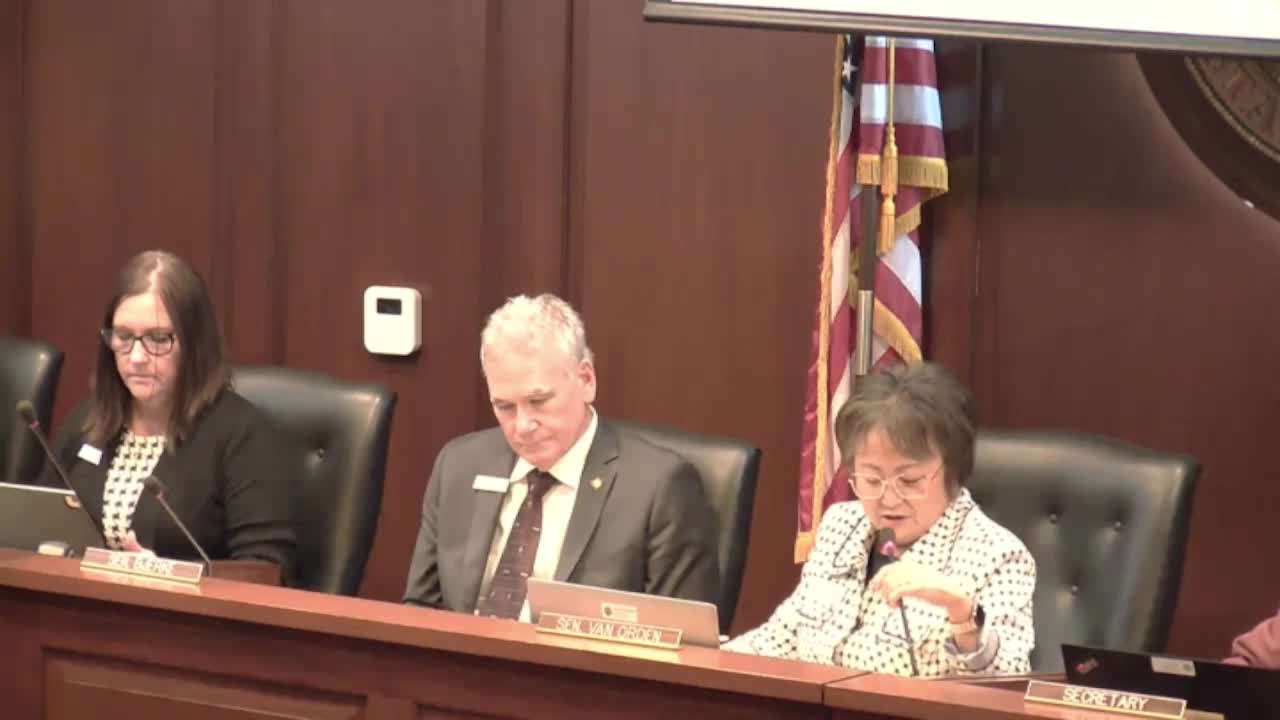
The Senate Health and Welfare Committee voted to send House Concurrent Resolution 14 to the Senate floor with a due pass recommendation, endorsing rejection of a portion of an administrative rule that incorporated language from the Genetic Counselors Code of Ethics.
The Senate Health and Welfare Committee voted to send House Concurrent Resolution 14, a proposal to formally reject a portion of an administrative rule that incorporated the Genetic Counselors Code of Ethics, to the Senate floor with a "due pass" recommendation.
The resolution asks the Senate to concur with the committee's rejection of a section of the administrative rules that had adopted language from the Genetic Counselors Code of Ethics. Senator Van Orme, who presented HCR 14 to the committee, said the measure is a rule rejection and asked the committee to approve the House concurrent resolution.
Proponents framed the action as routine rulemaking: "This is a house concurrent resolution. So they concurred with our rejection of this part of the administrative rule," Senator Van Orme told the committee. A motion to send HCR 14 to the Senate with a due pass recommendation was offered by Senator Lenny and seconded by Senator Kiser.
Senator Wintrow registered opposition during debate, saying the provision being rejected contained language intended to prevent discrimination. She argued the passage would strike an anti‑discrimination clause and said it was reasonable to expect safeguards against discrimination based on characteristics including race and gender identity.
After limited discussion the committee moved the resolution forward. A voice vote was taken and the committee chair recorded the outcome as a due pass recommendation to the full Senate.
The resolution does not itself change statute; it requests that the Senate act on the committee's recommendation. No additional background materials or fiscal notes were discussed on the record in committee testimony.
What happens next: HCR 14 will appear on the Senate floor for further debate and a final vote by the full Senate.
Speakers quoted in this account spoke during the committee hearing and are recorded in the committee minutes.