Get Full Government Meeting Transcripts, Videos, & Alerts Forever!
Get email alerts on the Environmental Permitting topic
No spam. Unsubscribe anytime.
Idaho DEQ cites vacancies and permit backlogs, asks for targeted pay increases to stabilize permitting
Summary
The Idaho Department of Environmental Quality told lawmakers vacancies and turnover are increasing permit processing times and proposed targeted pay increases to retain specialized staff.
The Idaho Department of Environmental Quality (DEQ) told a legislative committee that vacancies and turnover are increasing permit processing times and that targeted pay increases are part of the agency’s plan to reduce backlogs and protect state primacy for environmental permitting.
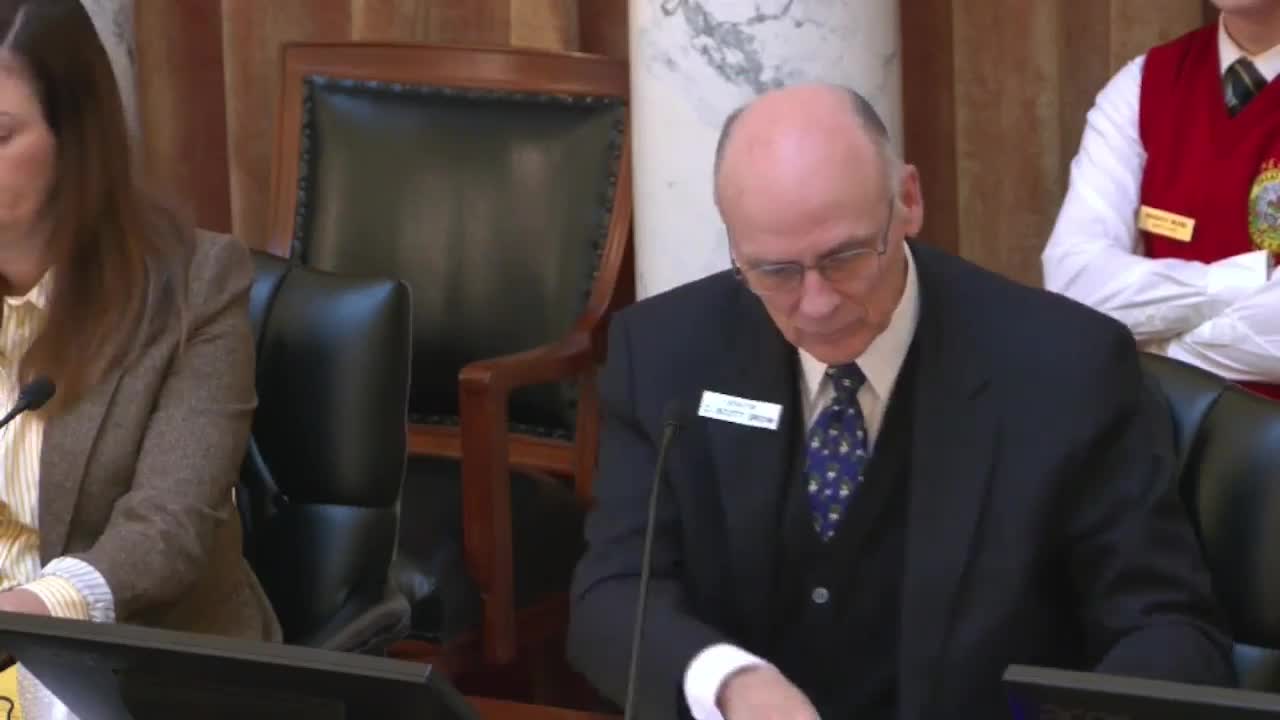
For the record, Jess Byrne identified herself as director of DEQ and introduced staff who joined the hearing: Deputy Director Tiffany Floyd, financial executive Linda Brown, and division administrators responsible for air quality, waste management and remediation, and surface and drinking water programs.
Why it matters: Delays in DEQ permitting can slow construction and economic development for projects that require air or wastewater permits. Lawmakers questioned whether the agency should receive targeted pay increases to retain specialized staff needed to issue permits and to manage ongoing remediation and loan programs.
Byrne told the committee DEQ is allocated about 385 full‑time positions and reported roughly 37 vacancies — roughly a 9.7% vacancy rate at budget submission. She said turnover and unfilled positions have affected permit issuance: citing the agency’s internal metrics, Byrne said air permit average turnaround rose from about 89.1 days to roughly 160 days on average in recent months. She added that some permitting programs experienced high vacancy rates, including air permitting and surface‑water individual permits. Byrne said the average tenure of new hires is about 2.8 years, which lengthens the time the agency spends training staff.
To address recruitment and retention, Byrne described a targeted pay‑increase proposal included in the governor’s recommendation. The proposal would raise the minimum entry hiring rate for many positions (the example given was raising the minimum to a roughly 83% comp ratio) and boost targeted hard‑to‑fill classifications to a higher floor (an example cited was a roughly 86% floor for the most difficult positions). Byrne said the targeted increases are intended to be combined with a classification and compensation change (CEC) the committee has considered. She told the committee: "When you combine the targeted increases that have been included in the governor's budget recommendation with a proposed CEC that this committee has already voted on, it will dramatically improve our competitiveness for the very specialized staff that make up our agency." (Director Byrne)
Committee members pressed for details. Senator Galloway asked for a follow‑up on what the agency did to increase permit timeliness and how the department planned to reach its internal target. Representative Annemarie asked for specifics of which positions would receive adjustments and the plan for entry‑level hires.
The hearing also covered DEQ funding programs and special funds. Janet Jessup, the legislative analyst, summarized DEQ’s fund structure and highlighted dedicated funds and loan programs, including drinking‑water and wastewater loan funds. Several members asked about a transfer request: the agency has historically received recurring transfers from a sales‑tax distribution into the Water Pollution Control account (about $4.8 million per year) to ensure state matching funds for federal capitalization grants. Director Byrne said that to build a reserve for long‑term operation and maintenance of the Bunker Hill Superfund remediation, DEQ has been transferring portions of the balance to a basin remediation account; she said the agency’s long‑term goal was a basin remediation balance around $45 million to support the ongoing match and O&M needs for the Bunker Hill site.
On the waste‑tire account, Jessup explained that the fund can legally end fiscal years with a negative balance (a deficiency warrant) and that 2022 had a deficiency that the legislature subsequently repaid; the account has not required negative year‑end spending since.
Senators and representatives repeatedly asked DEQ to deliver more granular back‑up materials: program‑level lists of positions proposed for pay adjustment, permitting backlogs by permit type, and fund‑by‑fund balances and outstanding loan commitments. Director Byrne said she would supply additional detail.
Director Byrne closed by stressing staff effort and the agency’s legal responsibilities: "Idaho is recognized as a national leader in permitting and regulatory reform. That's something we all take pride in. However, pride doesn't get permits out the door. Quality workers do. Making this investment in DEQ is an investment in Idaho." (Jess Byrne)
No committee votes occurred in the hearing; members asked for additional documentation before making formal budget recommendations.