Get Full Government Meeting Transcripts, Videos, & Alerts Forever!
Get email alerts on the Child Welfare topic
No spam. Unsubscribe anytime.
Bill introduced to shorten review and custody timelines for foster children and allow courts to weigh foster bonds
Summary
Sen. Cody Galloway introduced RS32351 to shorten review hearings from six to two months, change custody timelines from 15 of 22 months to 12 of 22 months, and allow judges to consider the bond between foster children and substitute caretakers; committee voted to send the RS to print.
Boise — Sen. Cody Galloway, R-District 15, introduced RS32351 seeking changes to the Child Protective Act to move foster children into permanent, supportive homes more quickly, either through reunification or adoption.
Why it matters: Galloway said the bill arose from constituent experience and aims to reduce time children spend in temporary placements. He told the Senate Health and Welfare Committee the RS contains three discrete changes: shortening the interval between review hearings from six months to two months, adjusting custody timelines from "15 of 22 months" to "12 of 22 months," and adding language to allow judges to consider the bond a foster child has formed with a substitute caretaker when making long-term placement determinations.
Stakeholder input and limits: Galloway said he sought input from foster families, the Idaho Department of Health and Welfare and the Ada County courthouse while drafting the RS. The transcript does not include the bill text, cost estimates, or specific judicial standards; it records the sponsor asking the committee to send the RS to print for further consideration.
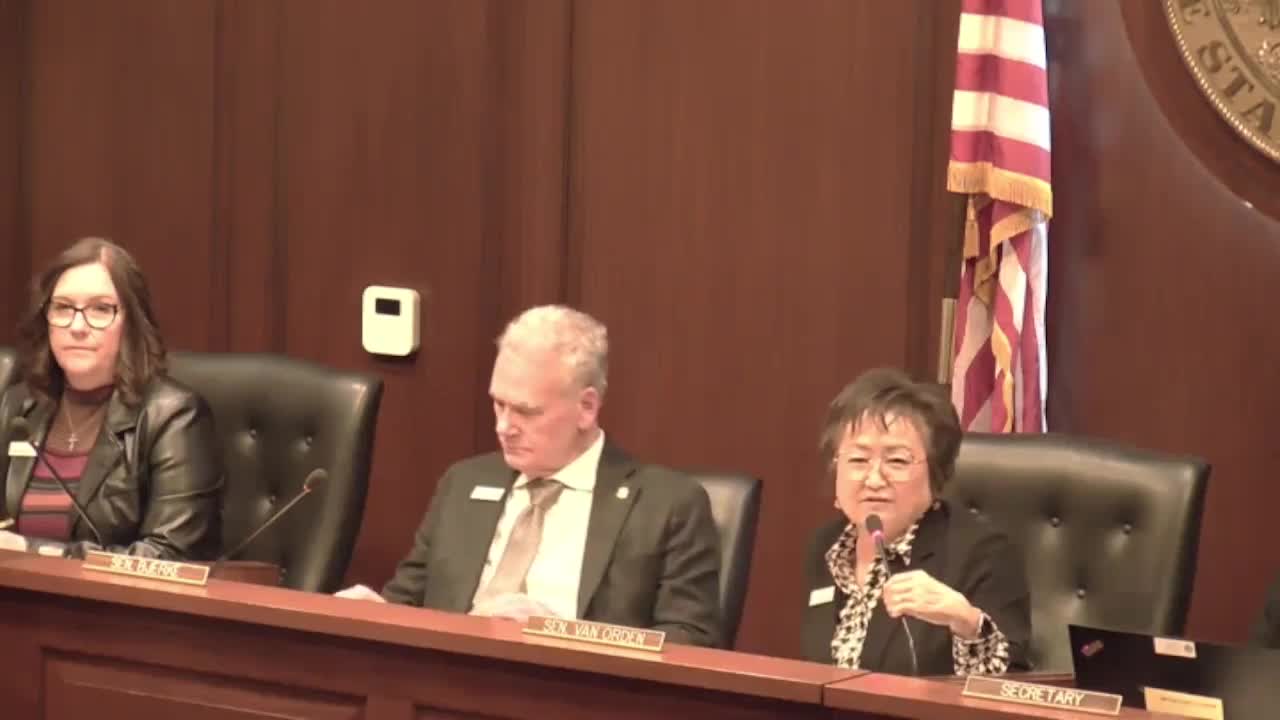
Committee action: Senator Keiser moved to send RS32351 to print; Senator Seiferfeld seconded. The committee approved the motion on a voice vote; the transcript records "Aye." No roll-call tally was recorded in the transcript.
Next steps: The RS was sent to print to allow drafting and formal committee hearings where stakeholders and judicial impacts can be examined.