Get Full Government Meeting Transcripts, Videos, & Alerts Forever!
Get email alerts on the Legislative Audits topic
No spam. Unsubscribe anytime.
Legislative auditors report uncorrected findings, warn single-audit timeline delayed
Summary
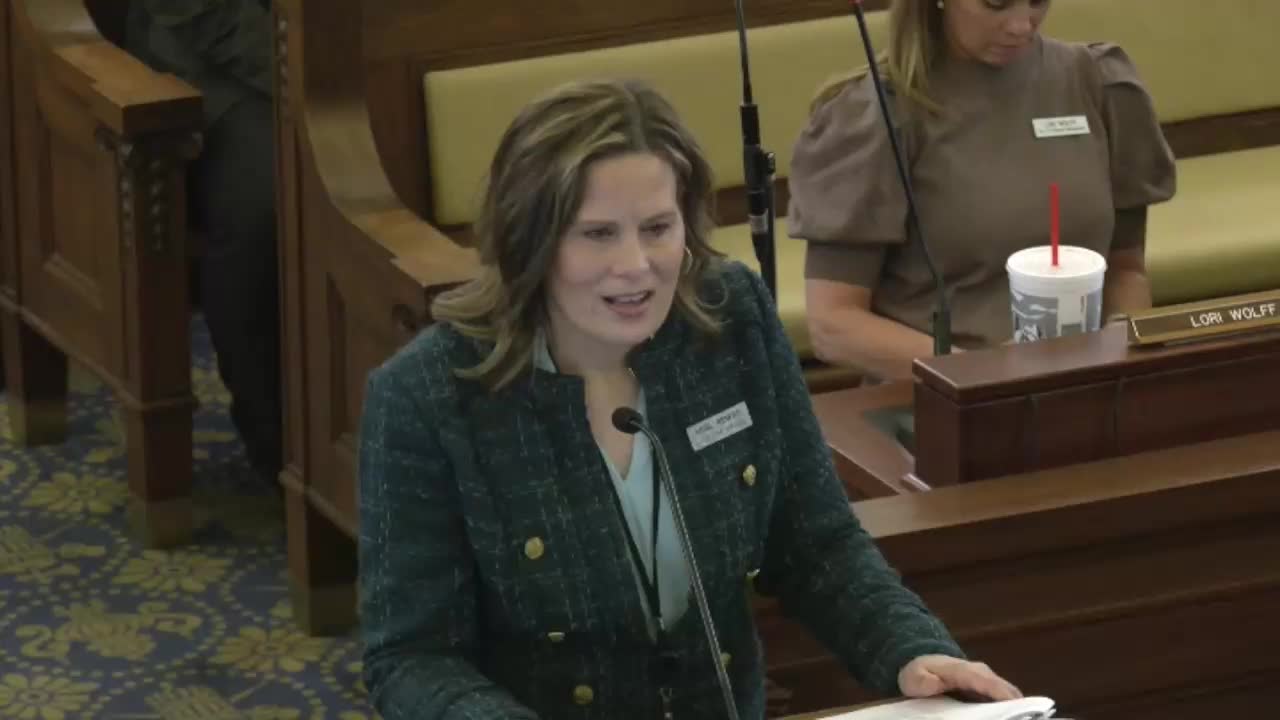
April Renfro of the Legislative Services Office told the Joint Finance and Appropriations Committee on Jan. 7 that the audit division is tracking fewer long‑outstanding findings but faces delays completing this year’s statewide financial audits after the state’s accounting reports were delivered late.
April Renfro, director of Legislative Audits at the Legislative Services Office, told the Joint Finance and Appropriations Committee on Thursday that the audit division is seeing progress in correcting historic audit findings but expects delays in its annual statewide financial and single‑audit reports.
The auditors’ office “is required to present a report, annually to the legislature of uncorrected findings,” Renfro said, and this year’s list will be circulated to committee members the same day as the presentation. She said open findings now cover the prior four reporting years (down from five) and that “70% of our uncorrected findings are from the current reporting period,” meaning most are recent and pending follow‑up testing.
The nut of the auditors’ message was procedural and practical: the office performs several types of work — the annual audit of the state’s comprehensive financial report (ACFR), the statewide single audit of federal expenditures, and recurring accountability reviews of agencies — and it needs timely source financial statements and agency cooperation to complete opinion reports on schedule.
Renfro walked the committee through the audit office’s work plan and capacity: roughly 30 financial and IT auditors and one administrative assistant; an annual expectation of about 28 reports that include audits and accountability reviews; and a statutory scope of work she traced to the code provisions cited to the committee. She described two different follow‑up processes: opinion audits (ACFR and single audit) require annual reconciliation and supporting schedules, while accountability reports generally have 90‑day, 1‑year and 2‑year follow‑up visits to test corrective actions.
Committee members pressed auditors for examples of persistent issues. Renfro cited a Department of Fish and Game accountability finding covering noncompliance with the state travel policy, missing travel vouchers and receipts, and internal‑control weaknesses that led to travel expenditures being improperly documented. She also flagged more serious, qualitatively significant failures in Department of Health and Welfare foster‑care oversight: in a sample of 19 qualified residential treatment program (QRTP) placements, auditors found missing or incomplete placement assessments, missing court orders, missing notices of placement, and that 42% of cases tested lacked case consultations at the required 30‑day intervals. Renfro said those failures were primarily the result of inconsistently applied internal controls and missing documentation.
Renfro also described systemic information‑technology control risks and a single‑audit finding about the low‑income home energy assistance program: the agency could not document review and approval of annual updates to the LIHEAP benefits matrix, which creates a risk that incorrect changes could go undetected even though no monetary error had yet been identified.
The audit office told the committee it had not yet completed this year’s ACFR testing because the state controller’s office delivered draft financial statements late — the auditors said they received materials on Dec. 30 after expecting them in November — and that will likely delay the March 31 single‑audit deadline. Renfro said the office is arranging communications with federal cognizant authorities and grantors to explain the timing and to reduce risk of adverse actions by federal agencies.
Committee members and co‑chairs emphasized the consequences of repeated audit failures. One co‑chair noted the Legislature can withhold funding or require corrective action: “If they can't correct them… then it questions how much more we're gonna give to them,” he told the room. Another co‑chair reminded members that the committee may need to move beyond agency‑led fixes if corrective work does not take hold, citing a past instance in which the Legislature passed a bill to fix a repeated reserve‑fund finding.
Renfro said the auditors would deliver the uncorrected findings report to the co‑chairs and members that day and stood for questions. The presentation included references to the audit office’s statutory authority, its follow‑up methodology, the number of staff, and the types and cadence of reports it issues.
The committee did not take formal action during the hearing. Members asked a series of follow‑up questions and were directed to the written uncorrected‑findings report for details on specific agencies.
The audit office’s immediate next steps are to complete follow‑up testing where appropriate, finish the ACFR opinion when reconciliations are complete, and communicate with federal grantors about the single‑audit timing. The committee was asked to review the uncorrected‑findings listing for agencies in their work groups and to raise unresolved items during budget deliberations.