Get Full Government Meeting Transcripts, Videos, & Alerts Forever!
Get email alerts on the University Organization Research Partnerships topic
No spam. Unsubscribe anytime.
University of Idaho dissolves DEI offices; highlights partnerships with INL, WAMI and water research
Summary
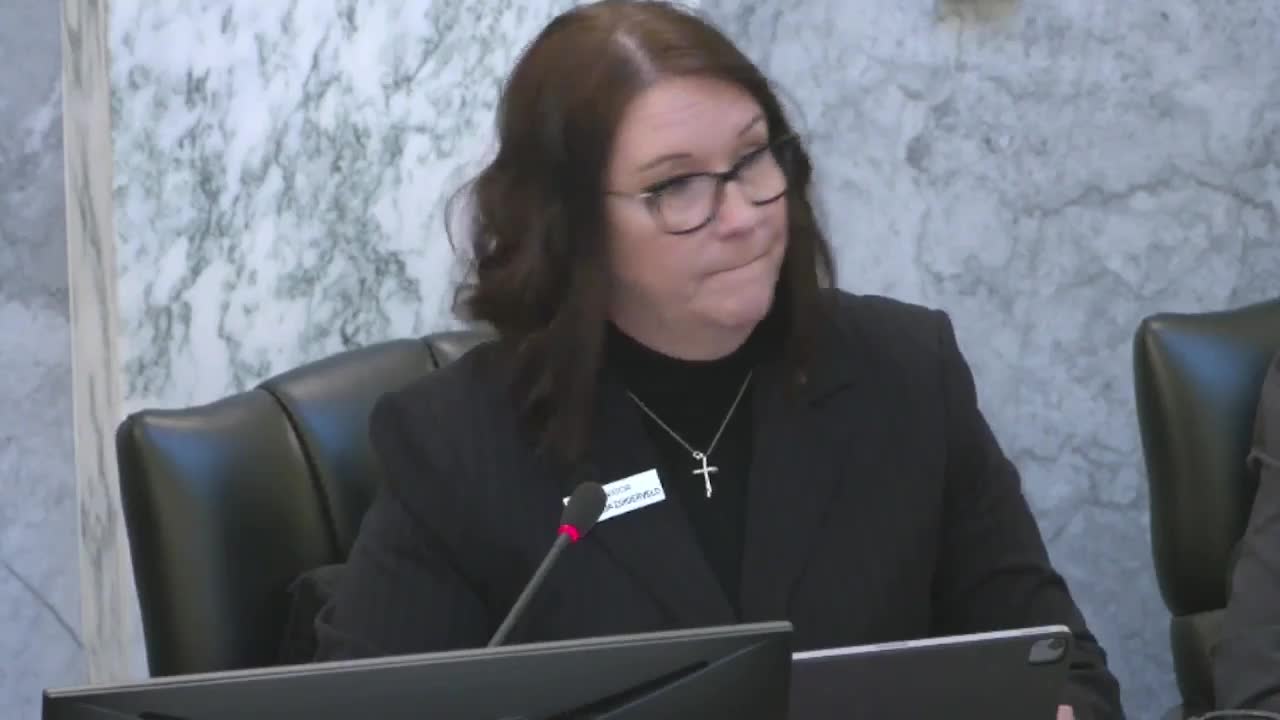
University of Idaho President C. Scott Green told JFAC on Jan. 27 that the university has closed several DEI‑labelled offices and reassigned staff into student‑services roles, while reaffirming partnerships with Idaho National Laboratory and water‑research programs and discussing options for the state’s MD education pathway.
BOISE, Idaho — During a Jan. 27 Joint Finance‑Appropriations Committee hearing, University of Idaho President C. Scott Green outlined organizational changes to diversity‑related units, described the university’s partnerships with Idaho National Laboratory and water‑resources research, and discussed options for the state’s MD education pathway (WAMI).
DEI office changes: Green said that after the State Board of Education adopted a resolution affecting DEI policy, the university shut down the Office of Equity and Diversity, the Office of Multicultural Affairs, the Black/African‑American Cultural Center, the LGBTQA Office and the Women’s Center. He said staff positions were dissolved and many employees were reassigned with rewritten job descriptions to report to the Dean of Students or other campus units. The Chief Diversity Officer role was eliminated and that individual was reassigned as Executive Director of Tribal Relations, which the university retained.
Green said the university held preliminary discussions with affected employees and that support services for students continue through other units, including Vandal Success and a newly opened first‑generation student support unit. “Our commitment to the students remains our top priority,” Green said, adding that many former employees were retained in new roles designed to serve students broadly while some positions — including a vacant LGBTQ position — have not been refilled.
INL and energy research partnerships: Green described the University of Idaho’s long partnership with Idaho National Laboratory (INL) and said the university will sign a formal agreement reinforcing collaboration. He identified three focus areas: nuclear materials and fuel cycling engineering; nuclear integrated energy systems; and power engineering with secure cyber‑physical systems. Green highlighted applied projects such as 3‑D printing replacement parts for molten salt reactors, efforts to reduce nuclear waste, hydrogen supply‑chain work and cyber “attack‑and‑defend” exercises to protect utility infrastructure.
Water research and outreach: Green described the university’s Water Resources Research Institute efforts and named ongoing projects including water quality and recharge research in the Palouse Basin Aquifer, work on the Coeur d’Alene River and studies tied to the Big Wood Valley and Ada County aquifers. He said the institute coordinates funding and researchers across Idaho colleges to support local water users and decision makers.
WAMI (medical education) and possible partner change: Committee members asked about the WAMI MD partnership and a potential affiliation move; Green said the university is exploring a potential partnership with the University of Utah while maintaining existing WWAMI relationships. He said any change would require State Board review and approval and that the university is discussing options with stakeholders.
How this affects students and staff: Green said some services are reorganized but not eliminated, and that many students — including first‑generation learners — are now served by programs with broader scope. He also told the committee the university has retention and success programs such as tutoring, advising, and monthly academic retention meetings.
Committee members pressed for details on which staff were reassigned, and Green agreed to provide additional documentation. Several lawmakers also asked whether eliminated DEI positions freed general‑fund dollars; Green said those positions were not paid from general‑fund appropriations and that support for students will now come through consolidated student services.
No votes were taken on the reorganization during the hearing; the committee requested follow‑up materials.