Get Full Government Meeting Transcripts, Videos, & Alerts Forever!
Get email alerts on the Broadband Deployment topic
No spam. Unsubscribe anytime.
Commerce briefs JFAC on broadband: $35M state fund mostly committed, $120M ARPA projects under contract and $580M BEAD pre‑applications under way
Summary
The Idaho Department of Commerce said the state broadband fund ($35 million) is largely obligated, about $120 million in ARPA capital projects for broadband is under contract to connect roughly 35,000 homes and businesses, and the federal IIJA BEAD program ($580 million) is entering prequalification and funding application phases.
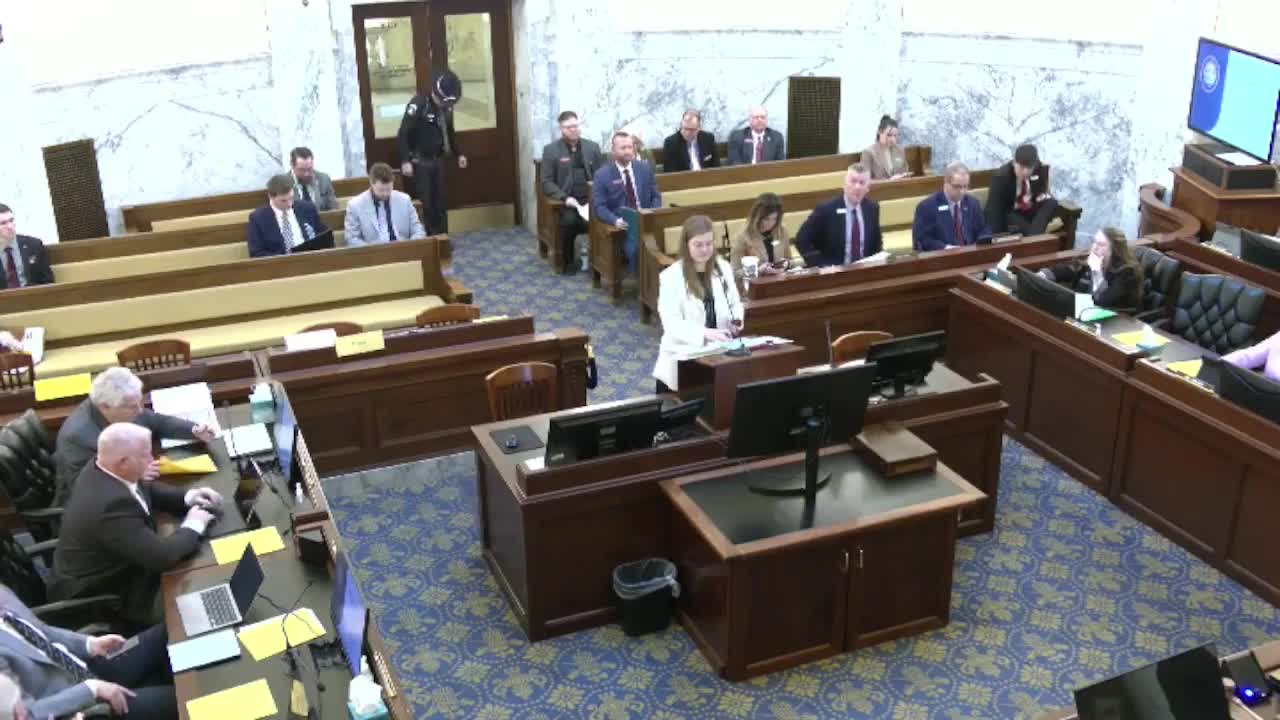
The Department of Commerce told the Joint Finance‑Appropriations Committee that Idaho’s broadband rollout is advancing on multiple funding fronts: state broadband funds, federal ARPA capital projects and the federal Infrastructure Investment and Jobs Act (IIJA) BEAD program.
Brooke Dupree, a budget analyst with the Legislative Services Office, reviewed Commerce’s budget and highlighted that the department now staffs a broadband office created last legislative session. The office was allocated personnel to manage large federal grants tied to broadband infrastructure.
Why it matters: Broadband funding decisions determine where state and federal dollars connect unserved and underserved homes and businesses. Deployment timelines, technology choices and relationships with private internet service providers shape outcomes for rural and urban communities.
Director Tom Keeley and Ramon Jabe Sanchez, the department’s broadband manager, summarized funding streams. Sanchez said the state‑level Idaho Broadband Fund (the $35 million general fund transfer) has about $26.5 million already obligated and roughly $8.7 million remaining. He said a capital projects fund (ARPA) — described in the presentation at roughly $120–124 million depending on the slide — is under contract for 18 projects across the state that would connect approximately 35,000 homes and businesses. Sanchez said the BEAD (Broadband Equity, Access, and Deployment) program, a roughly $580 million federal program for Idaho, opened a prequalification phase in quarter 1 of the calendar year; Commerce plans to open the funding application phase in quarter 2 and expects to submit an award package to the federal government in the fall.
Sanchez described a multi‑party process: Commerce coordinates with private internet service providers (ISPs), local jurisdictions and an Idaho Broadband Advisory Board created in statute to make project and funding decisions. "Number one is the Idaho Broadband Fund. That's the 35,000,000 that was mentioned," Sanchez said. "26 and a half million of that is already obligated, so there's about 8.5, 8.7 remaining." He added that collaboration with ISPs and local communities is central to planning and execution.
Technology and priorities: Commerce staff explained the BEAD guidance prioritizes fiber where feasible, then licensed fixed wireless, and allows alternative technologies (including low‑Earth‑orbit satellite services such as Starlink) for locations where fiber or fixed wireless are impractical or cost‑prohibitive. Sanchez said Idaho is technologically agnostic and will select technologies appropriate for each location and project budget.
Staffing and structure: The commerce presentation showed 48 FTP across the department, with 42 allocated to the main commerce program and six to the broadband office; average fill rates were about 81%. The governor’s recommended budget moves reappropriations into the broadband office and funds one additional FTP to oversee distribution and oversight of broadband funds.
Committee members asked about timelines, private‑sector partnerships and whether satellite solutions had a role. Sanchez answered that BEAD prequalification is concluding and funding applications will be accepted in the next phase, with potential federal awards by mid‑to‑late year. He noted the department used planning funds to provide local planning grants to 15 communities to accelerate project readiness.
Next steps: Commerce said federal and state funds and the advisory board’s decisions will guide final project selection. Department staff asked for continued legislative support as the state deploys federal BEAD funds and manages ARPA and state broadband monies.