Get Full Government Meeting Transcripts, Videos, & Alerts Forever!
Get email alerts on the Public Defense Appellate topic
No spam. Unsubscribe anytime.
Appellate Public Defender asks JFAC for deputy post to cut contracting costs
Summary
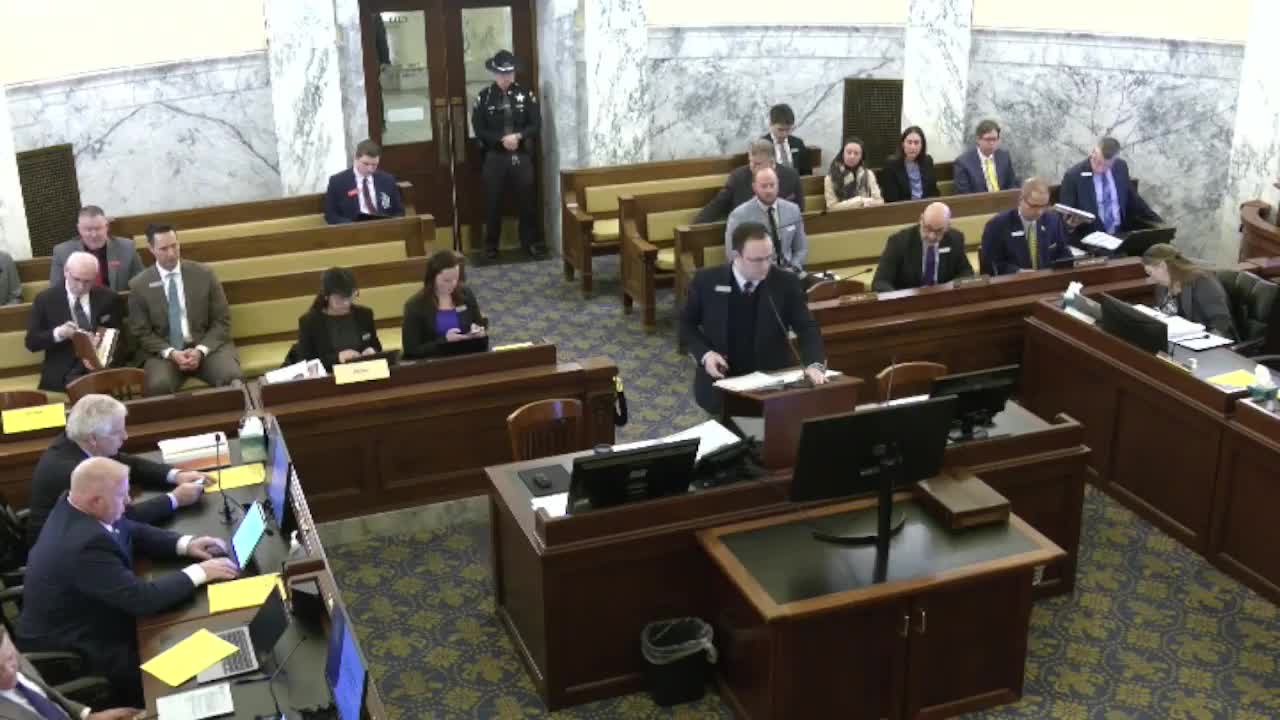
The Idaho Joint Finance-Appropriations Committee heard a presentation on the Office of the State Appellate Public Defender at a budget hearing in Boise. Christopher Lahoset, budget and policy analyst with the Legislative Services Office, described the office's operations and enhancements and said the agency requested a funded deputy position to handle noncapital felony, misdemeanor and juvenile appeals.
The Idaho Joint Finance-Appropriations Committee heard a presentation on the Office of the State Appellate Public Defender at a budget hearing in Boise. Christopher Lahoset, budget and policy analyst with the Legislative Services Office, described the office's operations and enhancements and said the agency requested a funded deputy position to handle noncapital felony, misdemeanor and juvenile appeals.
Why it matters: The office told the committee that its post-pandemic caseload has grown substantially and that contracting out overflow work is more expensive than hiring in-house. Committee members pressed agency leadership on turnover, contracting and how a new hire would change case assignments.
Lahoset told the committee that the office is charged with providing appellate legal representation under Idaho law and referenced Idaho Code section 19-5905 as the authorizing statute for the unit. He said the office has an authorized 26 full-time positions and, as of Dec. 15, reported no vacancies; the five-year average authorized staff is 25 FTP with a utilization rate near 97 percent. The analyst said about 85 percent of FY24 expenditures were for personnel and that the office has roughly $1,259,000 in reappropriated one-time funds remaining from a previously approved supplemental.
Eric Leighton, director of the Office of the State Appellate Public Defender, described rising caseload pressures and recent staff turnover tied to the creation of the statewide public defender enterprise. "It has been a challenging year," Leighton said, adding the office’s post‑pandemic caseload has increased "pretty dramatically." He said the office is currently fully staffed but noted impending staff departures.
On the funding request, Lahoset reported agency estimates that contracting overflow cases would cost roughly $254,000 per year, while hiring a deputy with a salary around $140,000 would produce savings. Leighton explained that adding a thirteenth appellate attorney would spread the current caseload—about 650 cases in the current fiscal year—across more in‑house attorneys and that case assignments vary by attorney experience.
Committee members asked about current contracting practices and whether the requested position would reduce expenditures. Leighton confirmed the office routinely contracts for conflict cases and, when necessary, to relieve overflow; he said contracting has been used in FY24 and FY25 for a small number of cases and that it is generally more expensive than in‑house counsel. He estimated about 14 overflow cases had been contracted in the last 18 months.
The presentation closed with the office's formal request for authorization and the analyst standing for questions. No committee action or vote was taken during the hearing.
Looking ahead: The committee will consider the agency’s enhancement in the budget process. If the committee funds the deputy position, the office expects to assign it a share of noncapital felony, misdemeanor and juvenile appeals and to reduce reliance on contracted attorneys.