Get Full Government Meeting Transcripts, Videos, & Alerts Forever!
Get email alerts on the Crisis Holds Neurocognitive Disorder topic
No spam. Unsubscribe anytime.
Senate passes change to crisis hold standard for people with neurocognitive disorders
Summary
The Idaho Senate approved Senate Bill 11-20 to adjust language used by law enforcement when placing a person with a neurocognitive disorder on a crisis hold, replacing “likely to injure” with a standard referencing imminent danger for police actions, while leaving medical-facility language unchanged.
Boise — The Idaho Senate on March 5 passed Senate Bill 11-20, which amends language used for crisis holds involving persons with neurocognitive disorders so law enforcement may detain a person when “the person's continued liberty poses an imminent danger,” while preserving the medical facility standard that a person be “likely to injure self or others.”
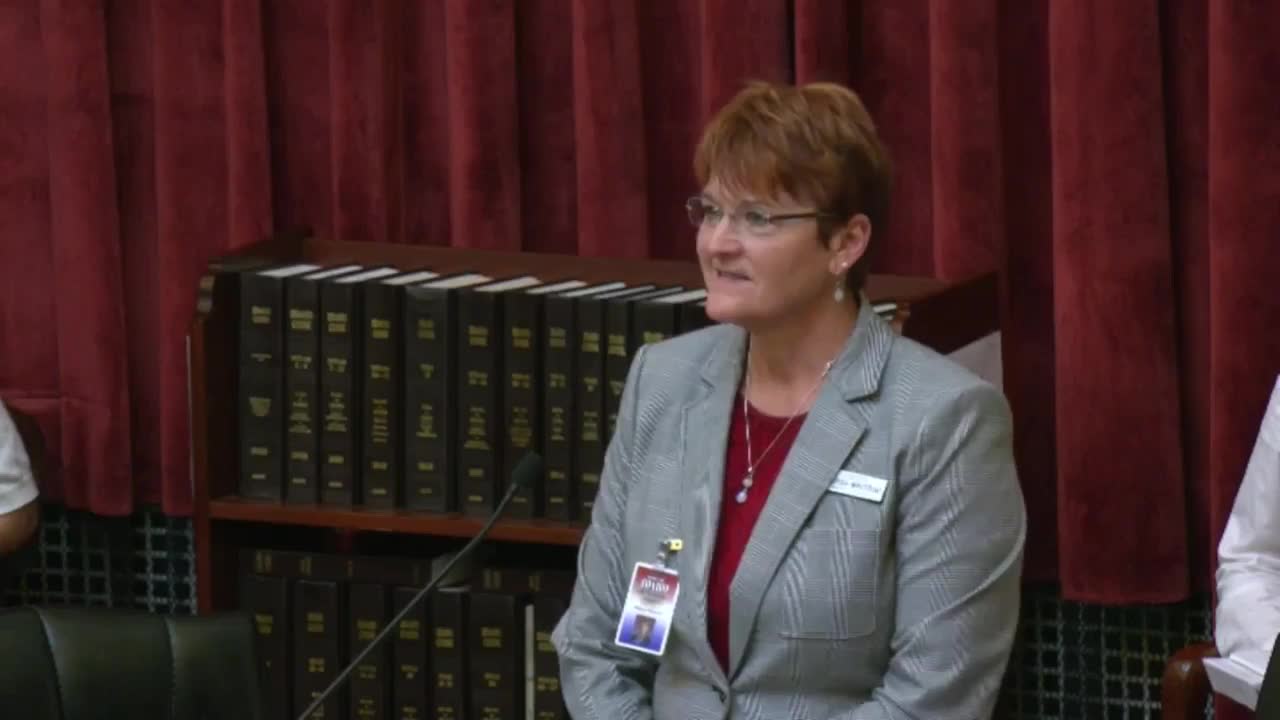
The bill sponsor, Senator Wintrow, told the chamber the change is a limited, clarifying adjustment to a law enacted last year that allows a crisis hold to get people to medical examination and care. "Some policing agencies would like to add a little bit of verbiage ... to replace 'likely to injure themselves or others' with a standard of imminent danger," she said, and added stakeholders agreed the change would not expand medical-facility authority.
Supporters said the amendment aligns the statute with standards police commonly use and aims to reduce liability concerns for officers while preserving the bill’s purpose as a last-resort pathway to medical evaluation. The sponsor said the prior statute's intent was to allow police to secure urgent medical care when a person with a neurocognitive disorder is a clear immediate danger and other options have failed.
There was no extended debate recorded against the bill on the floor. After closing remarks, the secretary called roll; the clerk announced the vote count as 33 in favor with 2 absent and excused. Senate Bill 11-20 passed and the title will be transmitted to the House of Representatives.
The bill leaves unchanged the language that applies to medical facilities, which retains the "likely to injure self or others" standard.
Implementation and next steps: The bill passed final Senate consideration and will be sent to the House. No implementation date or administrative guidance was discussed on the floor during third-reading debate.