Get Full Government Meeting Transcripts, Videos, & Alerts Forever!
Get email alerts on the Public Health District Authority topic
No spam. Unsubscribe anytime.
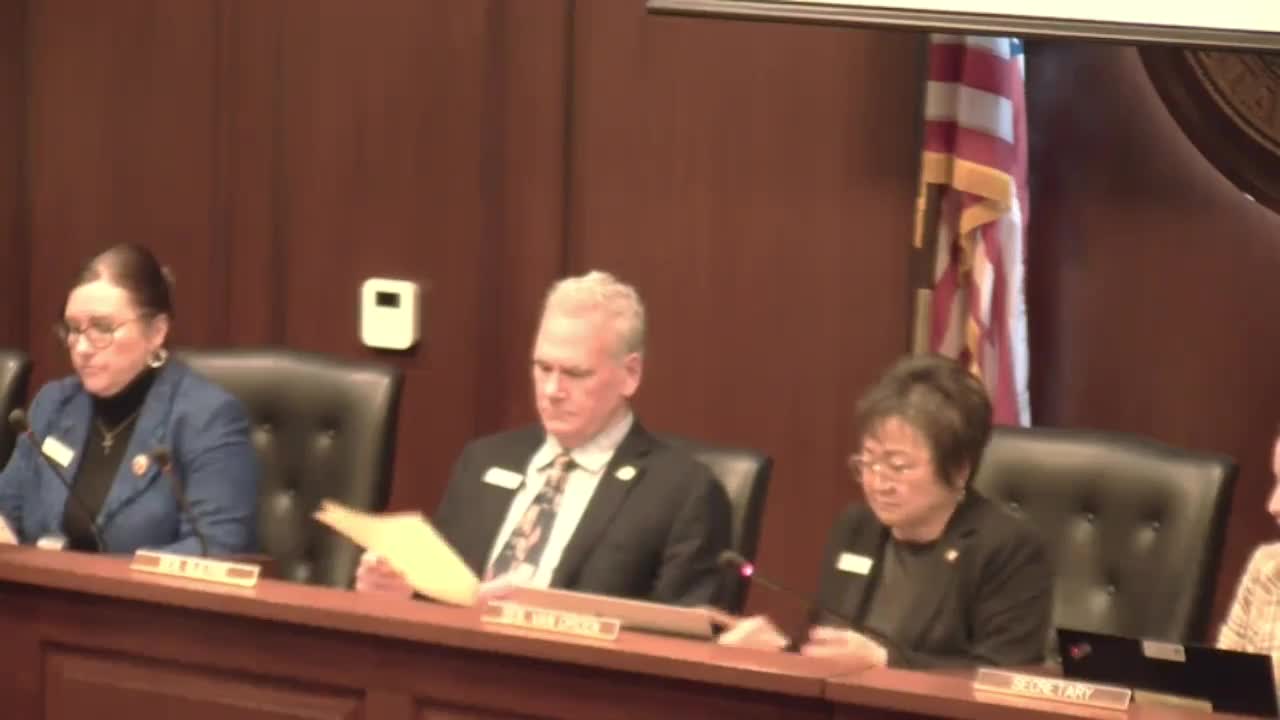
Senate committee advances bill to limit public health districts to “necessary, reasonable” actions
Summary
The Senate Health and Welfare Committee voted to send Senate Bill 10‑31 to the fourteenth order for possible amendment after extended debate on whether the bill would curtail routine preventive services or rein in perceived overreach by health districts during the COVID‑19 pandemic.
The Idaho Senate Health and Welfare Committee voted to send Senate Bill 10‑31 to the fourteenth order for possible amendment after debate over whether the measure would properly limit public health districts’ authority or unintentionally restrict routine preventive services.
Senator Brian Lenny of Nampa, who represents District 13 and sponsored the bill, told the committee the measure would replace the broad current authority that allows health districts to do “all things” in the name of public health with a narrower standard: take only actions “specifically authorized by state law that are necessary and reasonable” and grounded in science. "Unchecked unlimited power has no place in any government agency or bureaucracy," Lenny said, arguing the change would add accountability for public health districts.
The bill prompted sustained procedural and policy questions from several senators, who pressed for clearer definitions and examples. Senator Michelle Wintrow questioned what "state law" referred to and whether the bill’s language would prevent routine preventive programs that are not tied to an immediate risk. "If we're doing preventive measures, like ... prevention means we're looking forward, and there's not necessarily immediate risk," Wintrow said, urging clarity between measures taken to avert future problems and actions taken in immediate emergencies.
Senator Christine Blaylock, Senator Bierke and others raised similar concerns about terms such as "necessary and reasonable," "immediate public health risk" and what qualifies as "scientific evidence." Blaylock noted that legislative language often provides definitions or cross‑references for scientific standards. Several senators suggested the bill could be sent to the fourteenth order of business for amendment so those definitions and wording could be clarified.
Senators also discussed the 2023 change that requires county commissioners’ approval for public‑health orders, with some members saying that addition already provides an elected‑official check on district actions. Others said examples from the COVID‑19 response—such as mask mandates, business closures and contested public‑meeting practices—demonstrated a need for tighter statutory limits.
A member of the public testifying online identified herself as Misty Karlfeld and said she leads Health Freedom Idaho. Karlfeld urged passage, stating Idaho Code 39‑4‑14 gives health districts overly broad authority and left residents without recourse during COVID. "Please restrict their power and duties from 'all things' to necessary, reasonable things required for the preservation and protection of public health," she said.
Senator Lenny said he was open to amendment and to sending the bill forward for further drafting. A motion by Senator Seiderfeld to give the bill a "due pass" to the floor was offered and then replaced by a substitute motion from Senator Harris to send SB 10‑31 to the fourteenth order for possible amendment. The substitute motion, seconded by Senator Bierke, passed on a voice vote; one senator asked to be recorded as opposed, but a roll‑call tally was not recorded in the committee transcript.
The committee did not adopt final statutory language or definitions; rather, it approved routing the bill for amendment. The bill’s sponsor and several committee members signaled willingness to work on clarifying terms such as "preventive health measures," "immediate public health risk," and what constitutes acceptable scientific evidence before the bill advances.
What happens next: SB 10‑31 will go to the Senate’s fourteenth order of business for possible amendment, where sponsors and opponents can propose specific language changes. The committee record indicates prior history for similar legislation: a version passed the Idaho House last year but failed in a tied Senate committee vote.
Votes at a glance: Committee substitute motion to send SB 10‑31 to the fourteenth order for possible amendment — motion moved by Senator Melissa Harris, seconded by Senator Bierke; substitute motion passed by voice vote; no roll‑call tally recorded.
(Reporting note: The committee transcript includes discussion of Idaho Code 39‑4‑14 and references to county commissioner oversight enacted in 2023. Public testimony in favor was delivered by Misty Karlfeld of Health Freedom Idaho.)