Get Full Government Meeting Transcripts, Videos, & Alerts Forever!
Get email alerts on the Pardons And Parole Commission topic
No spam. Unsubscribe anytime.
Commission of Pardons and Parole seeks pay increase and raises staffing concerns after transfer out of DOC
Summary
The Commission of Pardons and Parole requested legislation to raise commissioner pay from $300 to $400 and sought funding for replacement laptops, citing staffing and retention problems after the commission moved out from under the Department of Correction.
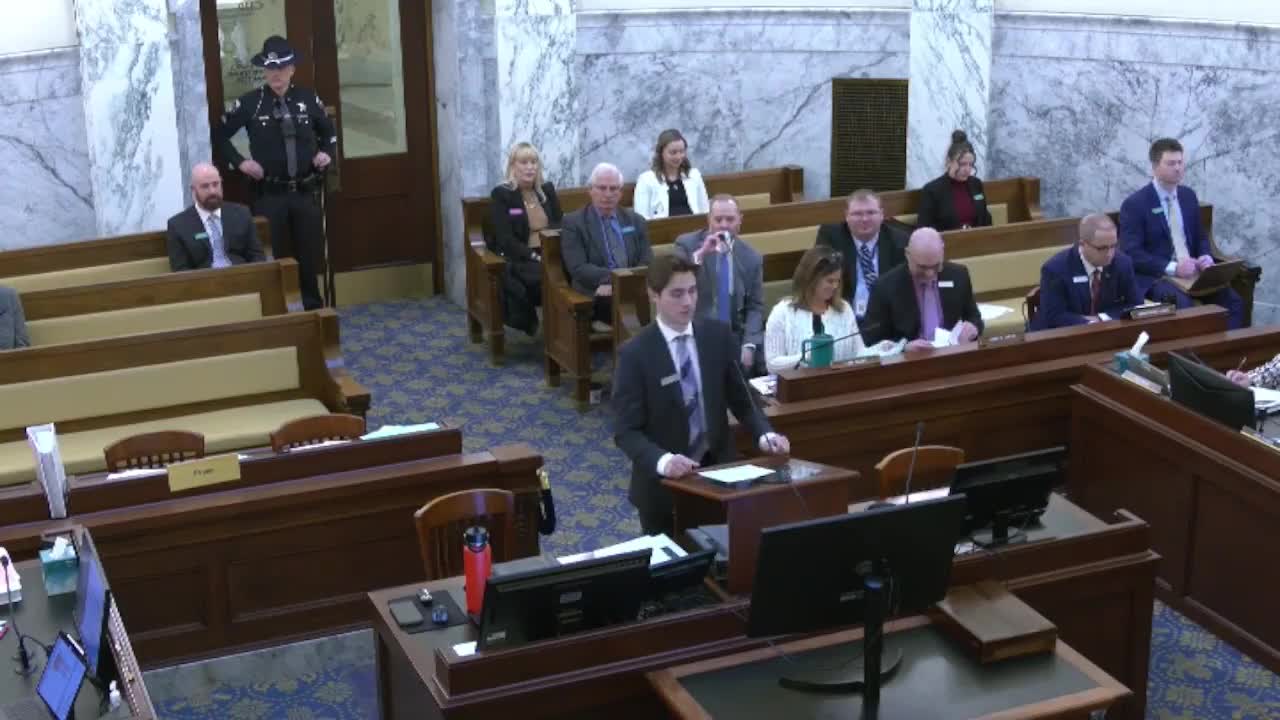
The independent Idaho Commission of Pardons and Parole asked the Joint Finance Preparations Committee on Feb. 4 for a statutory pay increase for commissioners and modest replacement items, citing retention challenges and heavy preparatory work that is currently unpaid.
Executive Director Christine Starr, who said she had led the commission for “a little over three months,” told the committee that commissioners are appointed by the governor for three‑year terms and are currently compensated only for hearing time. The commission requested legislative authority and the funds to raise the per‑hearing pay from $300 to $400; the governor’s recommendation reflects the higher pay level subject to passage of the statutory change. The fiscal impact was estimated by the agency at about $59,300 if legislation to raise pay is enacted.
Starr told lawmakers that commissioners typically sit for hearings three weeks of each month and that the role requires substantial unpaid preparation. She provided the committee a summary calculation: commissioners routinely review large hearing packets (about 40 pages per hearing), and for a typical hearing week the preparatory work amounts to roughly 26 hours — the equivalent of about 3.25 unpaid days for each hearing week.
The commission also requested nine replacement laptops (cost: $12,600) as recommended by the Office of Information Technology Services. Noah Peterson, the Legislative Services Office analyst, noted the commission was moved out from under the Department of Correction by House Bill 462 (2024) and now operates under the Department of Self‑Governing Agencies.
Starr told the committee she expects to lose more than half the commission membership by December and called the pay increase “a band aid to a much, much larger issue” of maintaining trained, functioning commissioners and staff. The commission asked the committee to consider the pay change and noted the broader need to evaluate its operating model and training to ensure competent, timely decision making.
Committee members expressed interest in the workload explanation and one senator urged the legislature to consider compensating preparation time because commissioners’ decisions affect victims, communities and returning residents. No legislation was enacted during the committee session; the request will be handled through the standard bill and budget process.