Get Full Government Meeting Transcripts, Videos, & Alerts Forever!
Get email alerts on the Parks And Recreation Budget topic
No spam. Unsubscribe anytime.
Idaho Parks and Recreation asks lawmakers to consolidate programs, raise seasonal and ranger pay amid capital requests
Summary
Department leaders told the Joint Finance Committee the agency seeks a ministerial consolidation of management and operations budgets, targeted pay increases to address compression for rangers and managers, and funding for deferred maintenance and capital projects including marina replacements at Heyburn State Park.
The Idaho Department of Parks and Recreation told the Joint Finance Committee it is seeking a program consolidation and targeted pay adjustments to address wage compression for ranger and management positions, while continuing to press for one-time capital work on parks infrastructure.
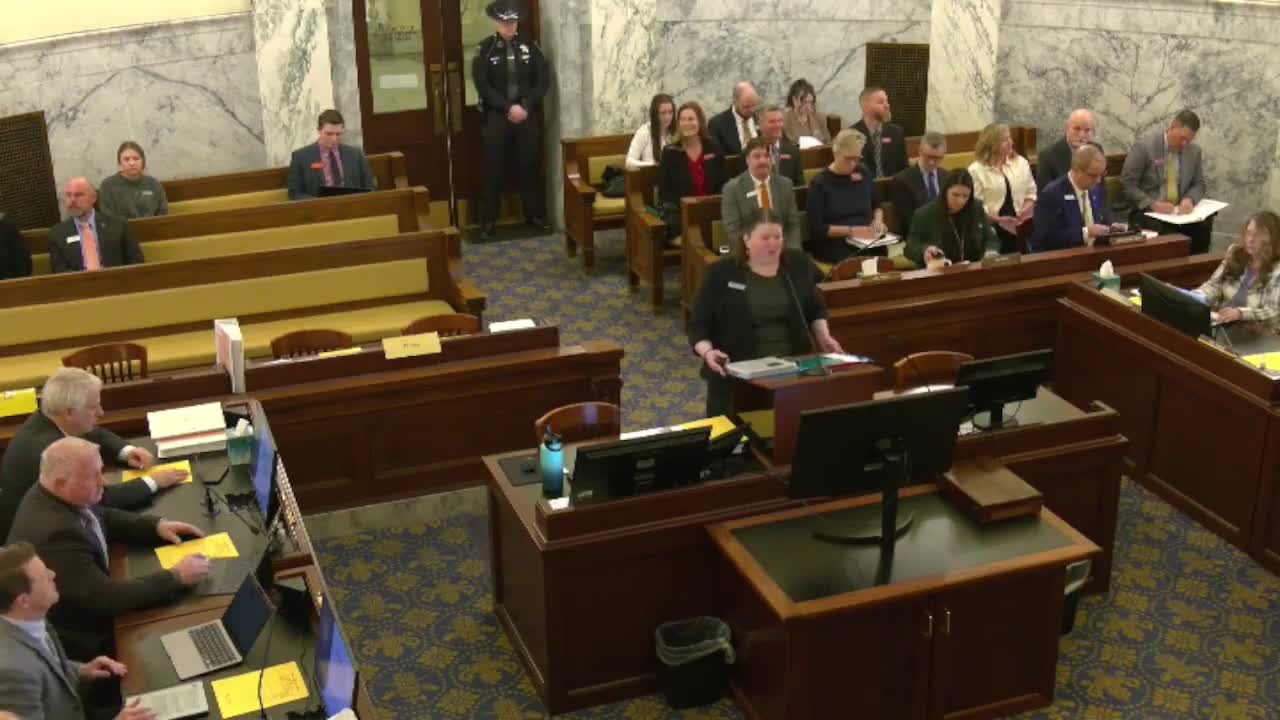
Budget analyst Janet Jessup told lawmakers the department is allocated 190.8 full-time positions and that most spending and staff are concentrated in park operations. Director Susan Buxton described the program consolidation as administrative and said it would not reduce transparency: “It really is a ministerial request,” Buxton said, adding that merging management services and park operations would make it “a lot easier for us to manage across the system and there would be absolutely no loss of information.”
The department is seeking two targeted compensation actions for fiscal 2026: (1) raise seasonal employee pay from $12 to $15 per hour and (2) create a tiered ranger compensation structure to address compression among long‑serving managers and newer hires. Buxton told the committee the requests are funded from dedicated revenues and reflect hiring realities in resort and remote locations: “Fifteen is probably gonna be more the floor anymore anywhere. In some places, we’re having to go to 17 or so,” she said, noting local markets such as Idaho Falls and Coeur d’Alene were already offering higher seasonal wages.
Buxton said compression is a broader human resources problem that has affected managers and bureau chiefs. “When you raise the pay scale … you start compressing,” she said, adding that an internal review showed seven of the agency’s top 10 lowest-paid bureau chiefs are in Parks and Recreation.
Committee members pressed the agency for specifics. Human resources officer Jennifer Quindell Miller confirmed managers can now hire seasonals in the $12–$15 range but said the department expects to push that range higher next season to recruit enough staff in high-cost areas. Operations administrator Troy Elmore described one equipment purchase: a compact wheel loader funded from the snowmobile sticker fund to clear parking lots used by snowmobilers. He said the department owns grooming machines but counties operate the grooming programs and that about 27 county programs exist statewide.
Buxton also outlined capital priorities and deferred maintenance. She said the department is using federal and legislative appropriations to replace longstanding marina infrastructure at Heyburn State Park on Lake Coeur d’Alene and that the Coeur d’Alene Tribe has participated in design work and offered financial support. Buxton said the project will replace two large marinas and add slips: “Because of the types of changes … we’ll be able to actually add several more slips to both of those marinas.” She said the agency had previously lacked funds for replacement and that the current appropriations came from a combination of state and federal deferred-maintenance and grant sources.
Jessup and Buxton highlighted that many agency requests are one-time capital projects or pass-through distributions tied to dedicated funds and statutory set‑asides. Committee leaders asked for a written summary of deferred maintenance and project status; Buxton agreed to provide additional documentation and a breakdown of previously appropriated funds.
Lawmakers did not take formal action during the hearing; the agency’s requests were presented for committee review and the governor’s recommendation was reported as matching the agency’s requests.
The agency said it is available to supply further detail on seasonal pay calculations, the proposed ranger tiered program, and the list and status of deferred maintenance projects.