Get Full Government Meeting Transcripts, Videos, & Alerts Forever!
Get email alerts on the Juvenile Justice topic
No spam. Unsubscribe anytime.
Juvenile Corrections asks for funding to cover rising treatment costs, radio upgrades
Summary
The Idaho Department of Juvenile Corrections told the Joint Finance-Appropriations Committee it needs a $300,000 ongoing general‑fund increase to cover higher residential substance‑use treatment costs and a $380,000 one‑time radio upgrade to add 'man down' functionality across its three facilities.
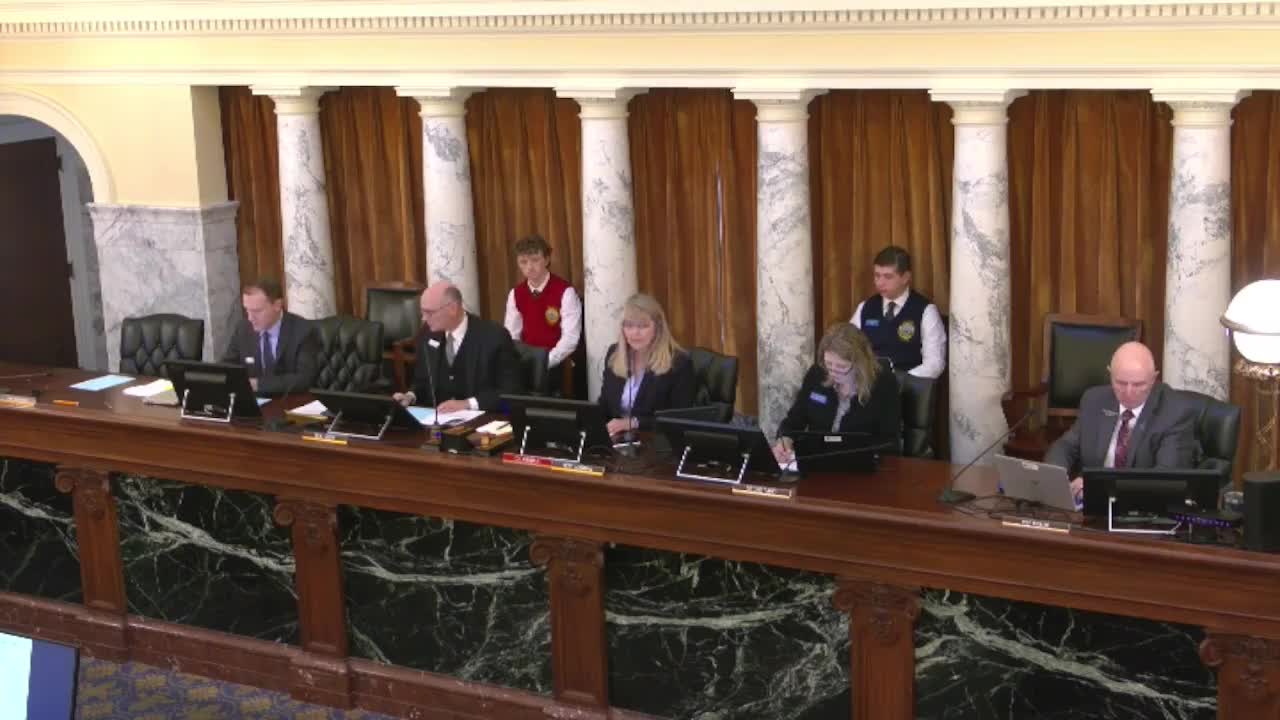
The Joint Finance‑Appropriations Committee heard budget requests and program updates from the Idaho Department of Juvenile Corrections (IDJC) on Feb. 18, 2025, including a $300,000 ongoing general‑fund request to cover higher residential substance‑use treatment costs and a $380,000 one‑time request to upgrade radio equipment at all three state juvenile correction centers.
The requests come as IDJC officials reported higher per‑day treatment costs and longer stays for youth in residential substance‑use programs. "The cost of daily residential treatment for this program has, doubled since 2021," analyst Noah Peterson told the committee, noting the per‑day rate rose from $198 to $399 and the average length of stay increased from 31 days to 67 days.
Why it matters: Committee members pressed agency leaders for data about population trends, diversion success and the causes of worsening youth mental‑health indicators. The budget requests would offset program cost increases and fund safety and technology improvements the agency says are needed to protect staff and youth.
Details of budget requests and context IDJC requested several items in its fiscal 2026 enhancement package: a $380,000 one‑time radio‑system upgrade from the Juvenile Corrections Endowment Income Fund to purchase and program radios with a ‘‘man down’’ feature at Lewiston, Nampa and St. Anthony; a $300,000 ongoing general‑fund increase to cover a funding gap for the residential substance‑use disorder (SUD) treatment program that Health and Welfare previously subsidized with ARPA funds; $145,100 from dedicated funds for replacement items; a $232,500 IT hardware replacement request recommended by the Office of Information Technology Services; and a net‑zero program shift of $350,000 moving youth assessment center costs between programs.
Director Ashley Dowell described operational pressures the agency is seeing. "I am very grateful. We have an amazing, passionate, dedicated staff... I am concerned about just the level of mental health we're seeing in the youth with our facilities," Dowell said, adding the agency has observed increased suicidal ideation and self‑harm. She said community partners and county probation work remain central, with about 95% of youth staying on probation rather than in IDJC custody.
Committee questions and follow‑up Members asked for more data on population trends, diversion results and the causes of higher clinical needs. Representative Tanner requested agency population and flow data, noting a recent all‑time low census in May 2024 of 137 youth and a rise to 176 at the time of the hearing; Director Dowell confirmed the census had increased about 19% since the low point. Several legislators asked whether youth crisis centers have reduced detention; Dowell said she could provide diversion data but gave anecdotal examples of crisis centers helping children under age 10 avoid detention.
On the residential treatment cost increases and length of stay, Dowell and agency staff said those decisions were made by community treatment providers following placement criteria from the American Society of Addiction Medicine (ASAM). "Those are treatment providers who are making the decision about how long to keep kids," Dowell told the committee. Committee members asked whether the agency has capacity to review utilization decisions; staff responded that doing utilization management would require additional licensing and capacity the agency does not currently have.
Formal requests and administrative changes The department also proposed a personnel reclassification: a net‑zero shift of $675,100 from personnel to operating and a reduction of seven FTP to consolidate IT positions with the Office of Information Technology Services. The agency says these are cost neutral to the base but require appropriation adjustments.
What the committee asked the agency to provide Committee members asked IDJC and the legislative analysts to provide: (1) time‑series data on facility census and flow (daily/weekly/monthly averages), (2) diversion and youth‑crisis‑center outcome data showing how many youth avoided custody, (3) itemized cost breakdowns for the residential SUD program, and (4) specifics on the proposed radio and IT hardware purchases and the proposed personnel changes.
Ending Director Dowell closed by thanking the committee for its support and pledged to return data requested by members. The committee moved on to the Executive Office of the Governor after the IDJC presentation.