Get Full Government Meeting Transcripts, Videos, & Alerts Forever!
Get email alerts on the Behavioral Health Funding topic
No spam. Unsubscribe anytime.
Committee reviews Idaho Behavioral Health Plan funding request, seeks transfer exemptions to cover gaps
Summary
Legislative analysts and the Department of Health and Welfare discussed a federal supplemental and ongoing requests tied to the Idaho Behavioral Health Plan and asked the Legislature to lift program-transfer limits so the department can move funds into children’s and adult mental health programs.
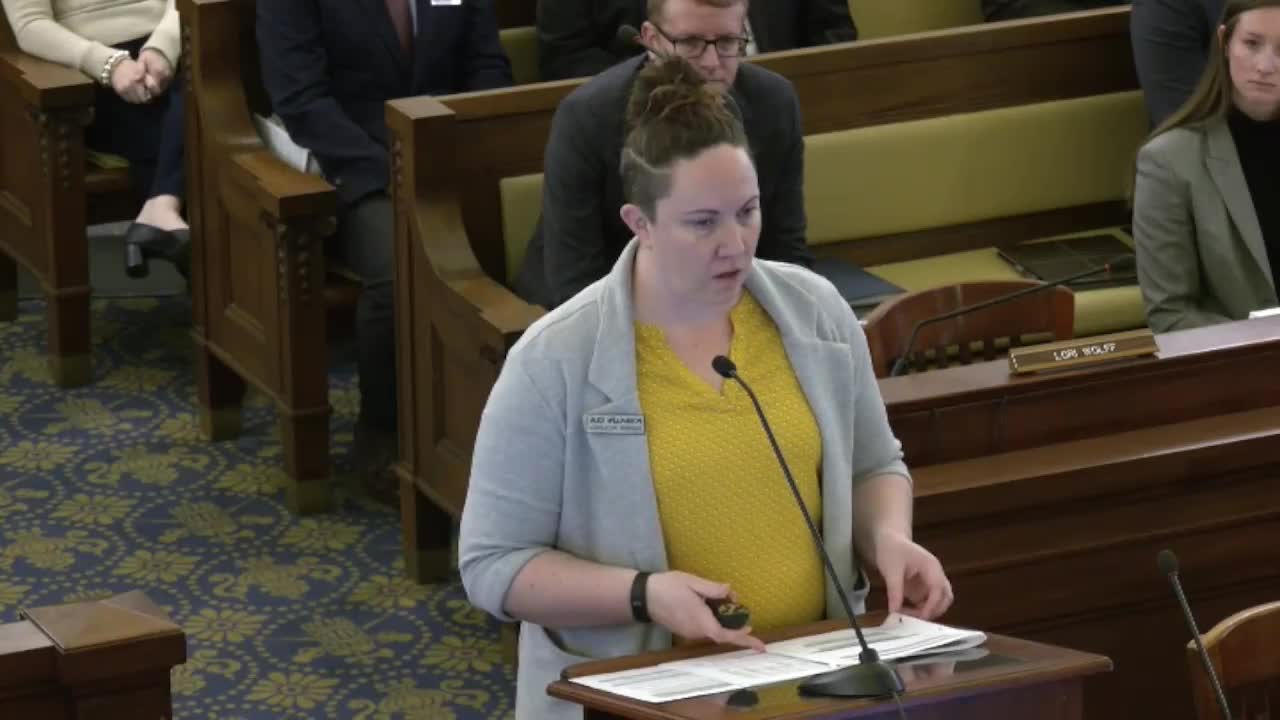
Alex Williamson, a budget and policy analyst with the Legislative Services Office, told the Joint Finance-Appropriations Committee that the Department of Health and Welfare is seeking a $6.7 million federal supplemental and a $261,400 ongoing federal appropriation tied to the Idaho Behavioral Health Plan after a delayed go-live moved grant timing out of the originally appropriated year. The department also requested exemptions to statutory program-transfer limits so it can shift funds into adult and children’s mental health in fiscal 2025 and 2026.
The request stems from the Idaho Behavioral Health Plan (IBHP) going live in July 2024 rather than 2022, Williamson said, and three federal grants related to the go-live are still available but not usable under the original appropriation years. “They are asking for an appropriation now in order to give them the authority to access those federal funds that are still sitting there,” Williamson said during the hearing.
Department of Health and Welfare Director Alex Adams told the committee the IBHP procurement and implementation encountered delays, including roughly a year of legal challenges, and described the contract as very large. “This was, I believe, the largest contract in the history of the state, so I do think it is wise and prudent for the department to do it right versus to do it quickly,” Adams said.
Adams and Williamson also discussed a separate, standing budget issue the department faces: statutory restrictions on transferring money between object classes and programs. The department asked the committee to exempt it from the 10% program-transfer limitation in Idaho Code 67-35-11 for fiscal 2025 and to remove transfer limitations beyond those already in statute for 2026. Adams said those restrictions forced the department to take “tough actions,” including a temporary suspension of some children’s mental health services earlier in the year, because the agency lacked authority to move existing appropriations into the object classes where they were needed.
Senators and representatives pressed the director for details about the procurement delay and the department’s use of its contractor. Senator Cook asked why the RFP and award took so long and whether the delay cost the state; Adams attributed part of the delay to legal challenges and to deliberately taking time on a very large contract. Representative Tanner asked about contractor choices raised in committee questions, noting public concern about a contractor’s corporate statements; Adams said Magellan is the state’s contractor and that the department is “agnostic as to who the contractor is” so long as the vendor meets contract standards and provides timely services.
Why it matters: the IBHP supplemental and ongoing authority affect how the department can use federal dollars awarded for behavioral health implementation. The committee’s decision on transfer exemptions will determine whether the department may move existing appropriations between programs and object classes without returning to the Legislature for approval. The department said the exemptions would allow it to operate within its appropriated authority and avoid repeated supplemental requests for statutory entitlements.
The department and Legislative Services said they will provide additional details to committee members on specific grant timing and the amounts involved.