Get Full Government Meeting Transcripts, Videos, & Alerts Forever!
Get email alerts on the Legislative Pay topic
No spam. Unsubscribe anytime.
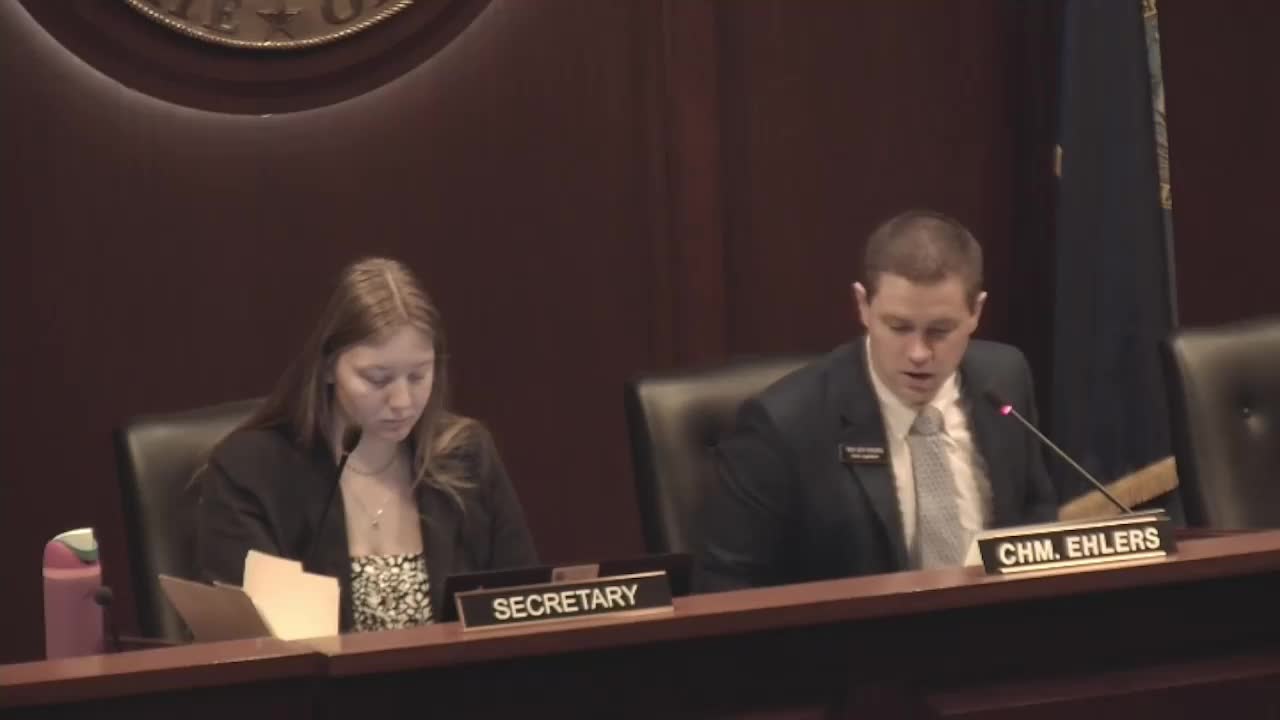
Ways and Means committee tables resolution opposing recommended legislative pay increase
Summary
The committee voted to lay on the table Senate Concurrent Resolution 101, which sought to reject a citizens committee recommendation to raise legislative pay; debate focused on legal limits under Title 67 and payroll timing that would allow members to receive higher pay for a past pay period.
The Ways and Means Committee voted to lay on the table Senate Concurrent Resolution 101, a measure introduced to reject a citizens committee recommendation to raise legislative salaries, after members debated whether the resolution would legally reject the increase or effectively reduce it while allowing members to keep pay already processed for earlier pay periods.
The resolution was presented by District 11 state representative Kent Marmon of Caldwell. Marmon said the citizens committee had recommended roughly a 26% increase and argued the legislature should reject that recommendation now. “Considering a pay increase of this magnitude sends a message to the people of Idaho that we, the citizens' legislature, is out of touch with them,” Marmon said, adding that he wanted legislative relief delayed until “we deliver real relief to the people of Idaho.” He cited local concerns including school programs serving students without permanent housing and said seniors face rising property taxes.
Committee debate focused on statutory limits and payroll mechanics. Representative Monks questioned whether the committee's action as written would be a rejection or a reduction under applicable law, invoking the citation referenced in the discussion as Title 67 §406(b). Monks argued the resolution, as written, accepts part of the increased pay for the payroll period beginning Dec. 1 and then rejects the remainder, and he said that the statute the body has bound itself to allows only acceptance or rejection, not a reduction. “This resolution here doesn't reject or accept. It accepts it for a few months, and then it rejects it, which is a reduction,” Monks said.
Monks moved to lay the resolution on the table, arguing the committee should not proceed with a measure that could conflict with existing law. Other members pressed competing policy arguments: Marmon and supporters said refusing the increase would signal fiscal restraint while opponents warned that the legislative salary level has lagged behind other branches and workforce norms and that higher pay could broaden who can serve. Representative Rebel urged that adequate pay helps make the legislature accessible to working people, citing a historical argument attributed to John Adams about unpaid public service becoming an elite role.
The committee voted to lay Senate Concurrent Resolution 101 on the table. The ayes and nays were taken by voice; a roll-call recording was requested by the minority and Representative Crane was recorded as voting no. The committee chair noted that payroll for legislative compensation began before the date the resolution would be acted on, meaning members would receive the higher rate for the period from Dec. 1 until any later change could take effect.
No formal amendment to Idaho law was adopted at the meeting. Committee members discussed that, if the body wanted to allow a reduction rather than a strict accept-or-reject choice, the underlying statutory language (as cited during the meeting) would need to be changed.
With no further agenda items, the committee adjourned. The resolution remains tabled; no additional action was taken at this meeting.