Get Full Government Meeting Transcripts, Videos, & Alerts Forever!
Get email alerts on the Legislative Process topic
No spam. Unsubscribe anytime.
JFAC staff demonstrate SharePoint access; LSO adds an impact‑review team and outlines hearing schedule
Summary
Legislative Services Office analysts demonstrated SharePoint access for the JFAC legislative budget book and session record, introduced a new impact‑review team to help with research and evidence needs, and reviewed the committee’s hearing and work‑group schedule for the session.
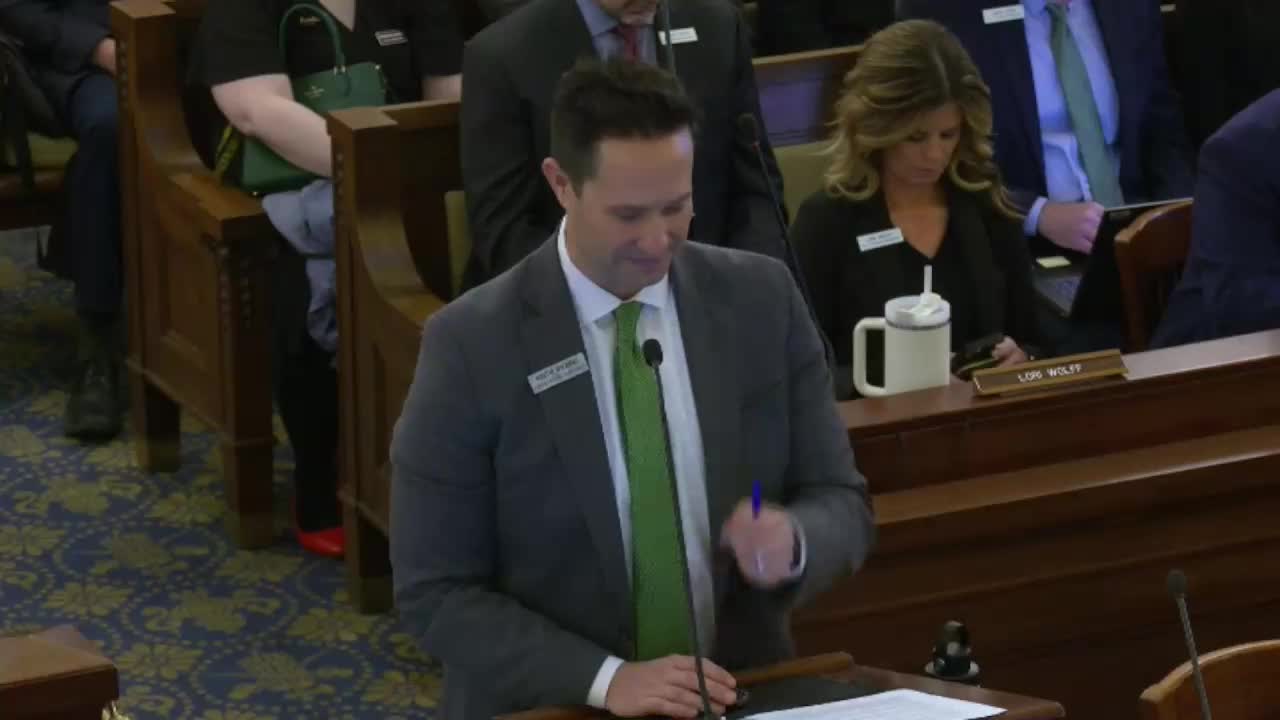
Keith Bybee, division manager of the Budget and Policy Analysis Team at the Legislative Services Office (LSO), demonstrated how committee members and the public can access the legislative budget book and agency presentations through the JFAC SharePoint site and the legislature’s session‑record page.
Bybee said the SharePoint repository matches the OneDrive system used in other legislative workflows and is intended to let members download agency packets, save them locally and annotate them for hearings. “Think of SharePoint as that same mechanism,” Bybee told the committee, and he walked members through the recommended naming convention, downloading files (to avoid read‑only views) and saving them into a local JFAC folder for note‑taking.
Why it matters: the SharePoint folder and session record provide the committee and the public centralized access to hearing slide decks, agency materials, video and audio files and past archives so members can review prior hearings, votes and documents.
LSO staffing and impact review team
Paul Headley, deputy chief at LSO, introduced a five‑person impact‑review team that LSO assembled to provide quick research support, evidence reviews and targeted analyses during the session. Headley said the team can produce short memos, two‑page briefs or deeper research and can assist on topics such as performance budgeting, program evidence and GIS mapping and IT analyses. The team members were described as embedded resources who will support analysts and working groups throughout the session.
Hearing schedule and work groups
Bybee summarized the JFAC hearing schedule and how the committee will use work groups. For week 1 the committee will complete orientation and the governor’s presentation, with program maintenance budgets scheduled for the second Friday of hearings. Agency hearings and analyst presentations will be grouped by theme across subsequent weeks (higher education, health and welfare, natural resources, transportation, public safety, capital budgets), and Bybee described an expectation that JFAC meet roughly 8:00–9:30 a.m. daily, with work groups meeting after 9:30 a.m. to develop recommendations and return to the full committee.
Committee members asked procedural and substantive follow‑ups. Several members asked for printed legislative budget books or help configuring iPads or Surface devices; Bybee and staff said printed copies are available on demand and that staff will provide individual instruction on SharePoint access. The LSO team also offered to provide a summary of prior uses of GEER/ARPA “GEER” funds used earlier for workforce training and capacity grants.
Ending note
Staff asked members to contact their assigned analysts to schedule time and to begin work with analysts before hearings to surface questions and data needs. Bybee and Headley emphasized the intent that the new repository and impact‑review staff will make the committee’s fact‑gathering and evidence reviews more efficient during the session.