Get Full Government Meeting Transcripts, Videos, & Alerts Forever!
Governor’s executive budget proposes education, transportation and resource investments while preserving large reserves
Summary
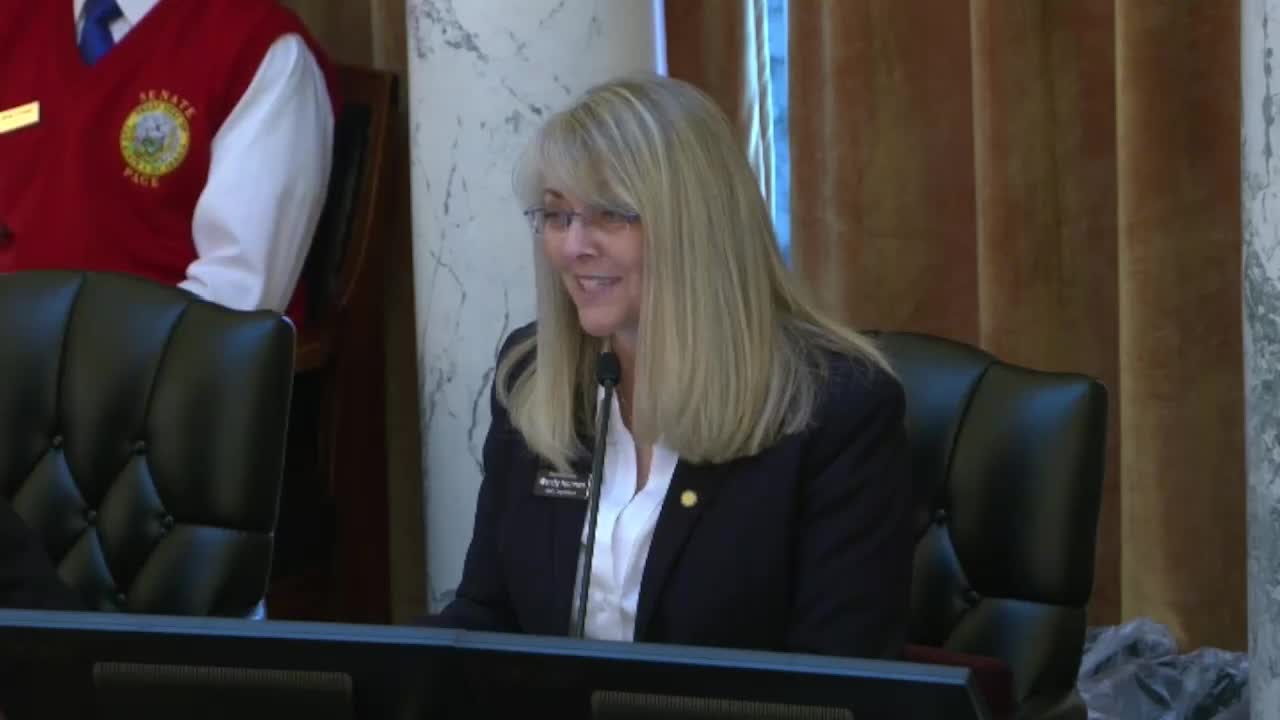
Laurie Wolf, administrator of the Division of Financial Management, presented Governor Brad Little’s executive budget to JFAC on Jan. 8, saying the plan is “his keeping promises budget” and proposing targeted investments in education, transportation, workforce training and natural‑resource management while maintaining substantial reserve balances.
Laurie Wolf, administrator of the Division of Financial Management (DFM), presented the governor’s executive budget to the Joint Finance and Appropriations Committee on Jan. 8, describing it as “his keeping promises budget” and framing the plan around education, infrastructure, water and land management, and public safety.
The budget uses a conservative revenue forecast, projects total general‑fund revenues of about $5.9 billion for FY 2025 and roughly $6.2 billion for FY 2026, and recommends $151 million in agency enhancements for FY 2026 (a mix of one‑time and ongoing items). After recommended expenditures and transfers the administration projects an ending general‑fund balance of about $383 million for FY 2025 and $227 million for FY 2026. Wolf said the plan also directs transfers to reserve accounts — including a roughly $59 million transfer to the budget stabilization fund and $50 million to a public education stabilization account — leaving an aggregate rainy‑day/reserve balance the administration described as about $1.4 billion (roughly 22 percent of the general fund).
Why it matters: the proposal balances new spending with continued tax relief and record‑level reserves. “It’s not what we do in the bad years that puts us out of business, it’s what we do in the good years that sets us up for success,” Wolf told the committee, explaining the administration’s rationale for funding both new initiatives and large reserves.
Key priorities and numbers
Education: The governor’s request includes about $150 million for public schools in FY 2026. Wolf told the committee the proposal includes approximately $83 million toward teacher pay and nearly $30 million for teacher health insurance, plus $50 million set aside for education‑choice initiatives (the administration…
Already have an account? Log in
Subscribe to keep reading
Unlock the rest of this article — and every article on Citizen Portal.
- Unlimited articles
- AI-powered breakdowns of topics, speakers, decisions, and budgets
- Instant alerts when your location has a new meeting
- Follow topics and more locations
- 1,000 AI Insights / month, plus AI Chat