Lifetime Citizen Portal Access — AI Briefings, Alerts & Unlimited Follows
State Board staff brief House Education Committee on multiple rule updates covering accreditation, scholarships, teacher certification, IDLA and vocational-reh
Loading...
Summary
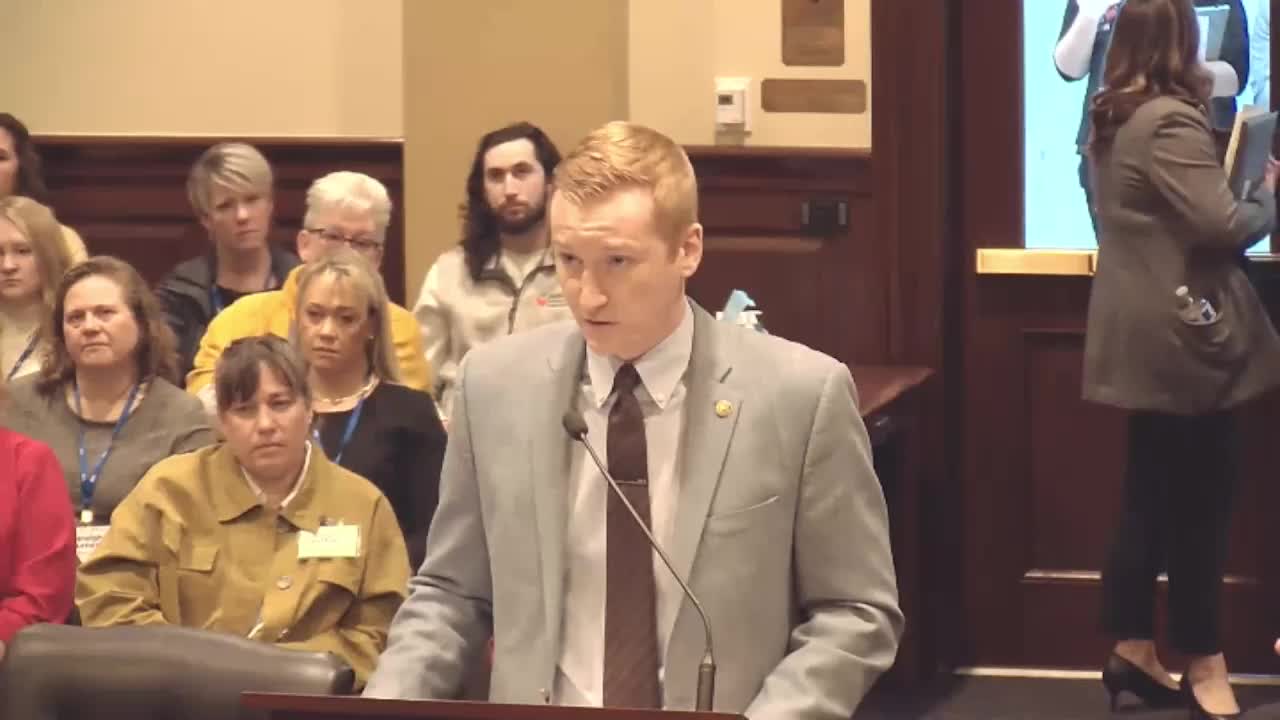
State Board of Education staff presented the House Education Committee with an overview of proposed administrative rule changes at the committee’s 9 a.m. informational meeting; no votes or public testimony were taken.
State Board of Education staff presented the House Education Committee with an overview of proposed administrative rule changes at the committee’s 9 a.m. informational meeting; no votes or public testimony were taken.
Matthew Scribe, State Board of Education staff, told the committee the board intends to modify multiple rules to clarify accreditation requirements for postsecondary and proprietary schools, implement statutory changes to the Opportunity Scholarship, add data elements tied to school facility funding, and update teacher-certification rules to reflect new apprenticeship and alternative authorization pathways.
Scribe said the postsecondary/proprietary-school rule removes the word “regional” from a line that had required regional accreditation and, in his words, "we're allowing them to access that" — meaning accreditation recognized nationally by the U.S. Department of Education would be acceptable. He said the State Board decided it will not attempt to adopt its own accrediting-recognition process to replace the federal review, and instead will continue to rely on federal accreditation determinations.
On the Opportunity Scholarship, Scribe summarized that changes adopted in the prior legislative session altered the credit-load requirements students must meet to renew the award and reincorporated eligibility for community colleges; the presentation referenced the rule section that was updated but did not list the exact credit numbers in the committee discussion.
Scribe also described a narrow rule change tying certain data-reporting elements to school facility funding created by last year’s statute. He said the rule adds data elements to identify the responsible school district for each student and whether the student is physically attending on campus so the department can apply facility funding consistent with statutory conditions.
The committee spent the most time on rule changes in the rules-governing-uniformity docket that implement teacher apprenticeships and related credential changes. Scribe said the rule adds definitions and provisions recognizing board‑approved nontraditional preparation programs and apprenticeship pathways and creates interim certificates. The proposed changes include an interim credential for Junior ROTC instructors that Scribe described as a three-year interim certificate while the instructor completes national JROTC requirements.
Representative John Mathias and others asked about protections and quality oversight for teachers coming through nontraditional and alternative authorization pathways. In response, Mr. Reimer, State Board staff, said the apprenticeship pathway is new and cautioned that "we just don't know yet" whether outcomes will differ; he said the board and department will track candidates and program outcomes and report back to the committee as data become available.
Scribe also noted housekeeping changes: moving educator-preparation program responsibilities from the State Department of Education to the State Board of Education in rule text, and clarifications to reinstatement language for lapsed certificates.
The State Board presentation included smaller rule changes to the Idaho Digital Learning Academy to encourage collaboration with local education agencies and to allow comprehensive final projects as an alternative to some high‑stakes exams. Scribe said the change is intended to support IDLA’s cooperation with local districts during student final assessments.
Finally, Scribe reviewed proposed cleanups to rules affecting vocational rehabilitation services, describing language changes intended to reflect new federal guidance and to give the division flexibility on service planning, such as removing a prescriptive reference to an "individualized plan for employment" and giving the division discretion to use other approved processes.
Committee members requested follow-up materials. Representative Harris asked the presenters to provide links to any materials "incorporated by reference" so legislators could locate referenced standards and guidance. Several members asked the State Board to provide data on how many participants have enrolled in the apprenticeship pathway and for follow-up reporting on outcomes once completers reach the end of the program.
Because the meeting was informational only, no formal actions were taken on the proposed rules; Scribe said staff will return with remaining presentations and any rulemaking actions at a subsequent meeting.
Less-critical details and next steps: the committee noted there were many educators attending the hearing in the Capitol for Education Day and that the panel planned to provide the committee with links to incorporated-by-reference documents and to additional data on apprenticeship enrollments and Opportunity Scholarship credit-change specifics.