Get Full Government Meeting Transcripts, Videos, & Alerts Forever!
Get email alerts on the Wildfire And Land Management topic
No spam. Unsubscribe anytime.
Idaho Department of Lands reports $100M-plus endowment distributions, outlines wildfire costs and budget asks
Summary
Director Dustin Miller told the Idaho House Research and Conservation Committee the Department of Lands distributed more than $100 million to endowment beneficiaries in FY24, outlined a costly 2024 fire season and urged the legislature to replenish suppression funds and support ongoing wildfire program investments.
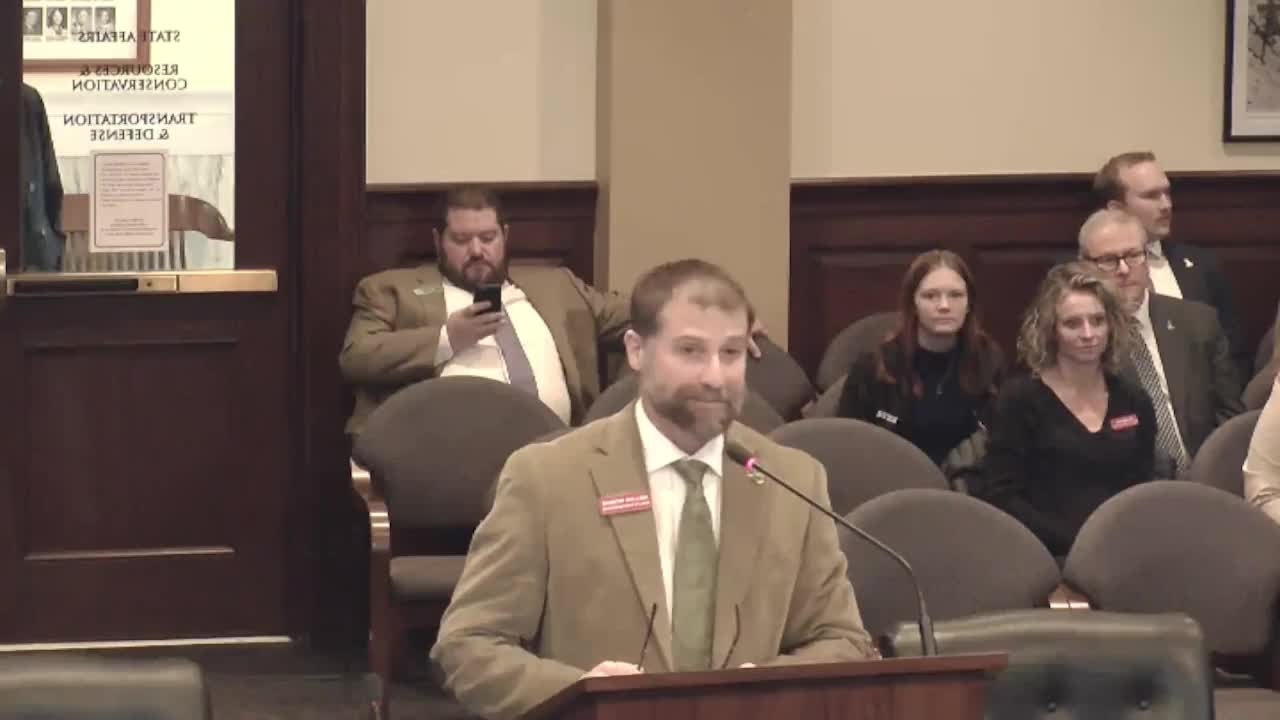
Idaho Department of Lands Director Dustin Miller told the House Research and Conservation Committee that the department distributed a little more than $100 million to endowment beneficiaries in fiscal 2024, including about $62 million to the state’s public schools, and outlined rising wildfire costs and staffing challenges.
Miller said the department manages roughly 2,500,000 acres of endowment land and that timber sales remain the dominant revenue source. He told the committee the department planted about 2,000,000 seedlings on endowment timberlands in FY24 and manages more than 1,600 leases on those lands.
The department’s wildfire findings formed the central part of Miller’s briefing. He said Idaho protects slightly more than 9,000,000 acres under its suppression responsibility and that the 2024 season produced significant costs. “This is just a breakdown of of some of the major costs from this fire season,” Miller said, summarizing a department estimate of roughly $62 million in total costs, about $11 million of which are expected to be reimbursable, leaving a net state obligation of about $51.5 million.
Why it matters: The department’s suppression account has funded heavy firefighting costs in recent years. Miller told the panel the governor’s budget proposes a $60 million supplemental to replenish the suppression account and an ongoing $40 million appropriation intended to reflect the state’s approximate annual suppression workload.
Wildfire response and readiness
Miller emphasized initial attack success as key to preventing large fires but acknowledged 2024 stretched resources: "We were down a little bit this year" on initial-attack success because resources were deployed across many incidents, he said. He described ongoing work to boost staffing, training and equipment readiness across 10 forest-protection districts and the department’s coordination with Timber Protective Associations and Rangeland Fire Protection Associations.
Miller said the department has struggled to staff engines at target levels and cited pay, seasonal housing and federal hiring competition as drivers. "Not everybody wants to be a wildland firefighter anymore," he said, and noted recent legislative budgeting has helped begin to close the pay gap.
Fire partnerships and program priorities
Miller described the department’s use of the federal Good Neighbor Authority (authorized in the 2015 Farm Bill) to accelerate restoration and fuel-reduction work on National Forest lands. He also described the state’s mutual-aid relationships under the Stafford Act and a multiagency five-year “master” agreement governing how state and federal agencies share personnel and costs during incidents.
Miller outlined several program priorities the department says require legislative support: - A Fire Emergency Support Program manager position to coordinate wildland‑urban interface responses and post‑fire grant work. - An aviation fire‑section manager to manage contracting, bases and aircraft operations; the department currently fields a mix of single-engine air tankers, water-scooping aircraft and at least one Type 1 helicopter during the season. - Expansion of a fire‑detection camera program and improved interoperability with utilities and other camera users. - Continued recruitment and retention measures, including firefighter bonuses the governor proposed after the department used $1 million in bonuses in the prior year to target difficult-to-fill positions (engine captains, resource foremen) and to reward “red carded” employees.
On cameras and early detection, Miller said the technology "can pick up a smoke much faster than the human eye can" and that cameras are being sited on existing mountable infrastructure such as towers to speed initial attack.
Budget context and comparisons
Miller told the committee that other Western states ran out of suppression funds during recent seasons and that Idaho’s budget proposal aims to avoid similar shortfalls. He cited Oregon’s 2024 experience — where the state had to borrow and convene a special session to address unpaid contractors — as an example of the risk of underfunding suppression accounts.
Assets, harvest planning and endowment mechanics
Miller described the department’s statutory fiduciary role to maximize long‑term returns for beneficiaries under Article IX of the Idaho Constitution and Idaho Code Title 58. He said timber sales remain the largest income source (timber-derived revenue and investment earnings together supported the distributions to beneficiaries). Chris Anton, manager of investments for the Endowment Fund Investment Board, later explained the funding mechanics: land-sale proceeds that permanently deplete natural resources go to the permanent portion of each beneficiary’s account while land‑revenue net receipts typically flow into an earnings reserve that funds distributions and operations.
Miller and Anton briefed the committee on how the permanent fund is adjusted for inflation and how the board uses a three‑year rolling average of the permanent fund to smooth beneficiary distributions. Anton said the board’s policy target is roughly seven years of distributions in reserve to smooth market volatility and land‑revenue swings.
Questions and follow‑up
Committee members pressed Miller on staffing, whether equipment sits idle, and how the state treats fires on federal lands inside the department’s protection boundaries. Miller said the department frequently responds on federal acres within its protection boundary where it has proximate resources and that it ‘‘will treat those just like any other acre under our protection and be aggressive.’'
Ending
Miller closed by asking committee members to review the governor’s wildfire report and said department budget items align with a strategic planning process to modernize Idaho’s wildfire response.