Get Full Government Meeting Transcripts, Videos, & Alerts Forever!
Get email alerts on the Ea Justice Act Review topic
No spam. Unsubscribe anytime.
Panel sends memorial asking Congress to review Equal Access to Justice Act for natural-resource cases to the floor
Summary
House Joint Memorial 6, asking Congress to review the Equal Access to Justice Act (EAJA) as it applies to environmental and natural-resource litigation, was advanced by the committee after supporters said reform is overdue and critics warned the provision has been used to finance extended litigation.
House Joint Memorial 6, sponsored by Representative Mark Souder, asks Congress to reexamine the Equal Access to Justice Act (EAJA) as applied to environmental and natural-resource litigation. The Resource and Conservation Committee voted to send the memorial to the House floor with a due-pass recommendation.
Souder told the committee EAJA was enacted to allow prevailing plaintiffs to recover legal fees in certain cases but that courts’ later interpretations broadened the statute so litigants can recover fees even if they prevail only on a significant issue rather than the case’s central issue. He said the memorial respectfully asks Congress to consider tightening EAJA in environmental and natural-resource contexts so the statute can’t be used to fund extended challenges that stall resource projects.
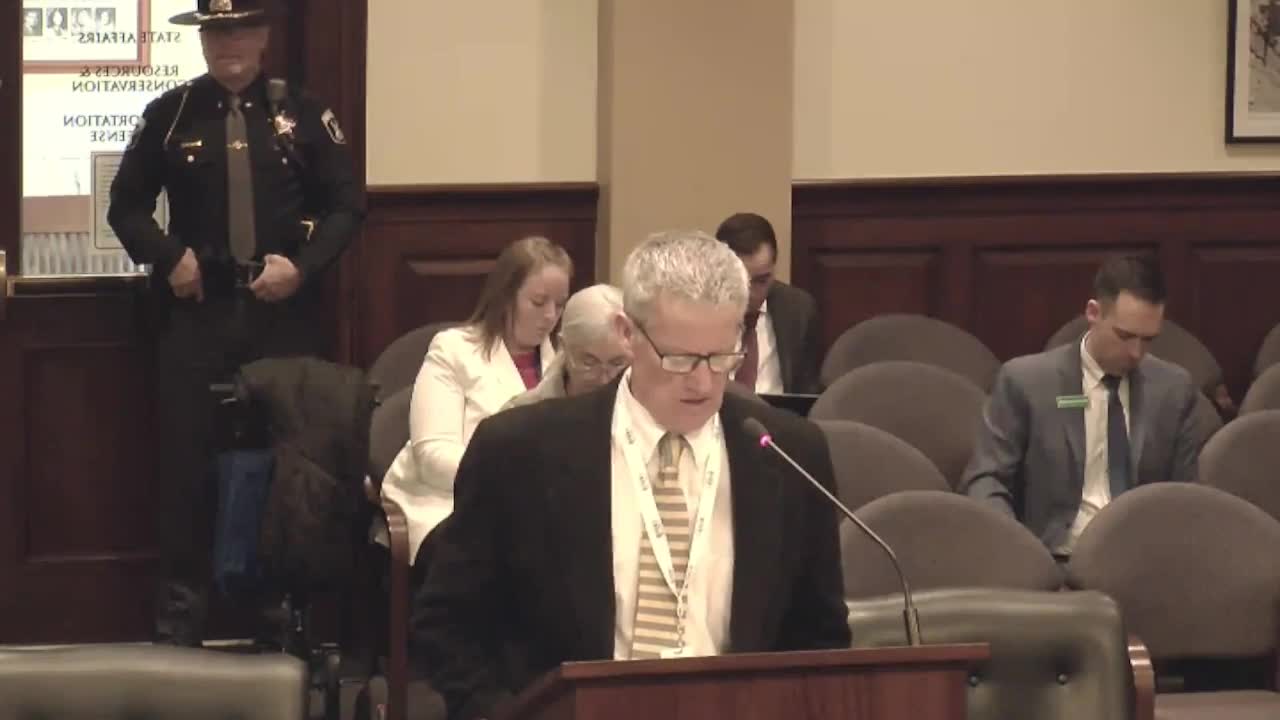
Russ Hendricks of the Idaho Farm Bureau testified in favor of the memorial, saying his members have encountered long court fights that block timber sales and other resource activity. Supporters argued reform would prevent litigation funding that, in their view, encourages repeated challenges that delay projects and raise local costs. Several legislators voiced similar concerns and said they have worked with members of Idaho’s congressional delegation on EAJA issues.
Some committee members expressed concern about EAJA being used as a litigation fundraising tool and said they wanted Congress to consider reforms that distinguish Social Security and veterans claims (where cost recovery has been used to help individuals) from natural-resource and environmental litigation.
The committee approved a motion to send the memorial to the House floor with a due-pass recommendation by voice vote; the chair announced the ayes had it.
Next steps: The memorial will be transmitted to the House floor. Sponsors said they hope it will prompt the Idaho congressional delegation to pursue legislative change at the federal level.