Get Full Government Meeting Transcripts, Videos, & Alerts Forever!
Get email alerts on the Health Workforce topic
No spam. Unsubscribe anytime.
Idaho Dental Education Program asks JFAC for funding for one additional dental seat
Summary
The Idaho Dental Education Program (IDEP) told the Joint Finance-Appropriations Committee it requests $54,000 in ongoing general funds to add one dental seat toward a long-term target of 36 seats; program leaders said IDEP remains oversubscribed and helps return dentists to practice in Idaho.
The Joint Finance-Appropriations Committee reviewed the Idaho Dental Education Programs FY2026 request for one additional student seat, which the program said would cost about $54,000 in ongoing general fund per year.
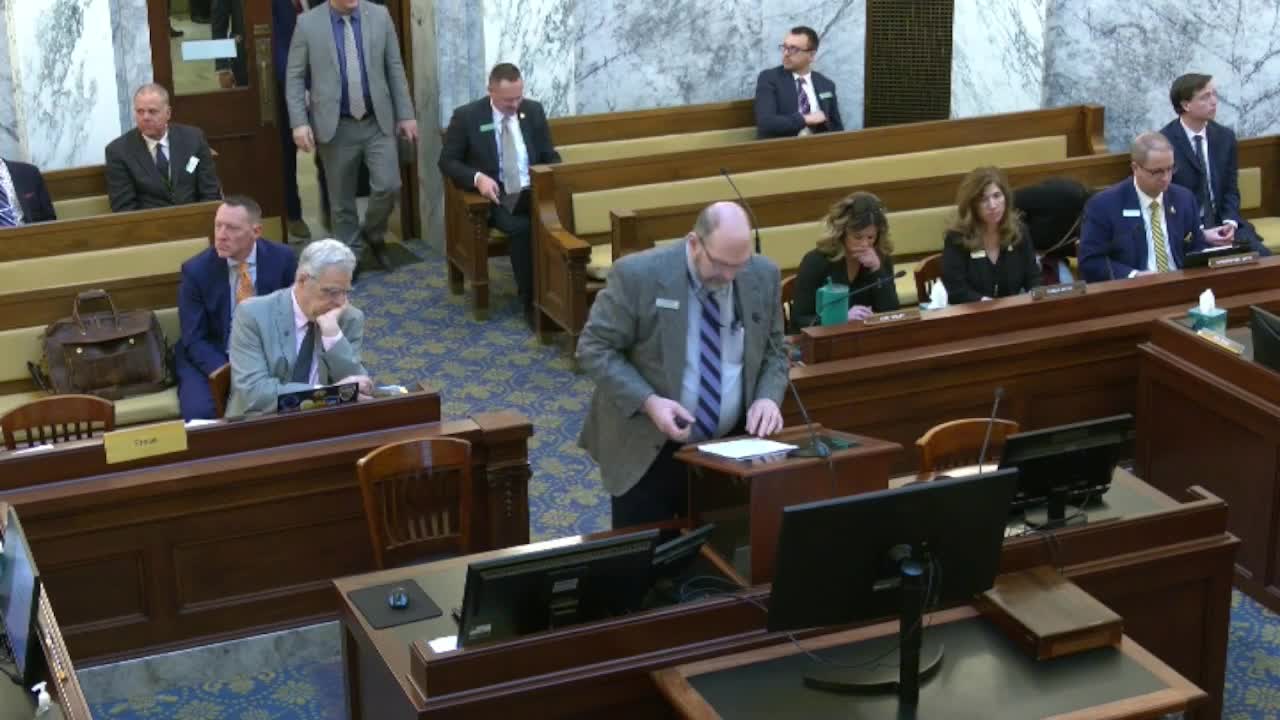
Kevin Campbell, budget and policy analyst with the Legislative Services Office, summarized the program and the request. "IDEP requests $54,000 ongoing from the general fund for 1 additional seat," Campbell told the committee, noting the request is part of a long-term plan to reach 36 seats. IDEP currently enrolls eight students per class year through a partnership with Creighton Universitys School of Dentistry; students complete the first year at Idaho State University and then finish clinical training at Creighton.
Jeff Weibargin, director of the Idaho Dental Education Program and an IDEP alumnus, described the programs mission to address Idahos dentist workforce needs. Weibargin said IDEP has historically returned a majority of graduates to practice in Idaho, and he characterized the recent multi-year return rate as strong. "Short answer, somewhere between 70–80%," Weibargin said when asked how many graduates ultimately practice in the state.
Program context: IDEP said it consistently attracts qualified applicantsanalysts reported between 30 and 50 applicants in recent cycles, and before the COVID pandemic the program saw as many as 120 applicants in a year. Program officials said applicants have high academic credentials (analyst testimony cited average GPA around 3.8 and high admission test percentiles).
Officials noted students who do not attend IDEP often take more costly paths to dental school out of state and are less likely to return to Idaho practice because of higher debt and different market conditions. The program argued adding seats reduces student debt barriers and improves the odds that graduates will practice in Idaho, especially in rural and underserved areas.
Budget details: IDEP reported 3.25 FTP and no current vacancies. Personnel costs comprise roughly 20% of the programs expenditures, operating costs are approximately 3.8%, and capital outlay is minimal. IDEP has averaged about 3.2% base growth in the preceding five years and had a small FY2025 enhancement for cost-of-living adjustments.
Outcome and next steps: The committee asked for clarifying questions but did not take a final action on the FY2026 seat request during the hearing. Program leaders said an additional seat could be filled immediately if appropriated.
Why it matters: Rural and underserved areas in Idaho face dentist shortages; IDEP leaders said expanding in-state training capacity increases the likelihood graduates remain in Idaho to practice.
The hearing moved on after IDEPs presentation and questions.