Get Full Government Meeting Transcripts, Videos, & Alerts Forever!
Get email alerts on the Budget Technical Corrections topic
No spam. Unsubscribe anytime.
Legislative staff outline technical corrections to fiscal 2025 appropriations
Summary
Legislative analysts detailed three technical corrections that reassign existing FY2025 appropriations across programs and expenditure categories. No votes were taken; analysts said the committee will vote on the corrections the following day.
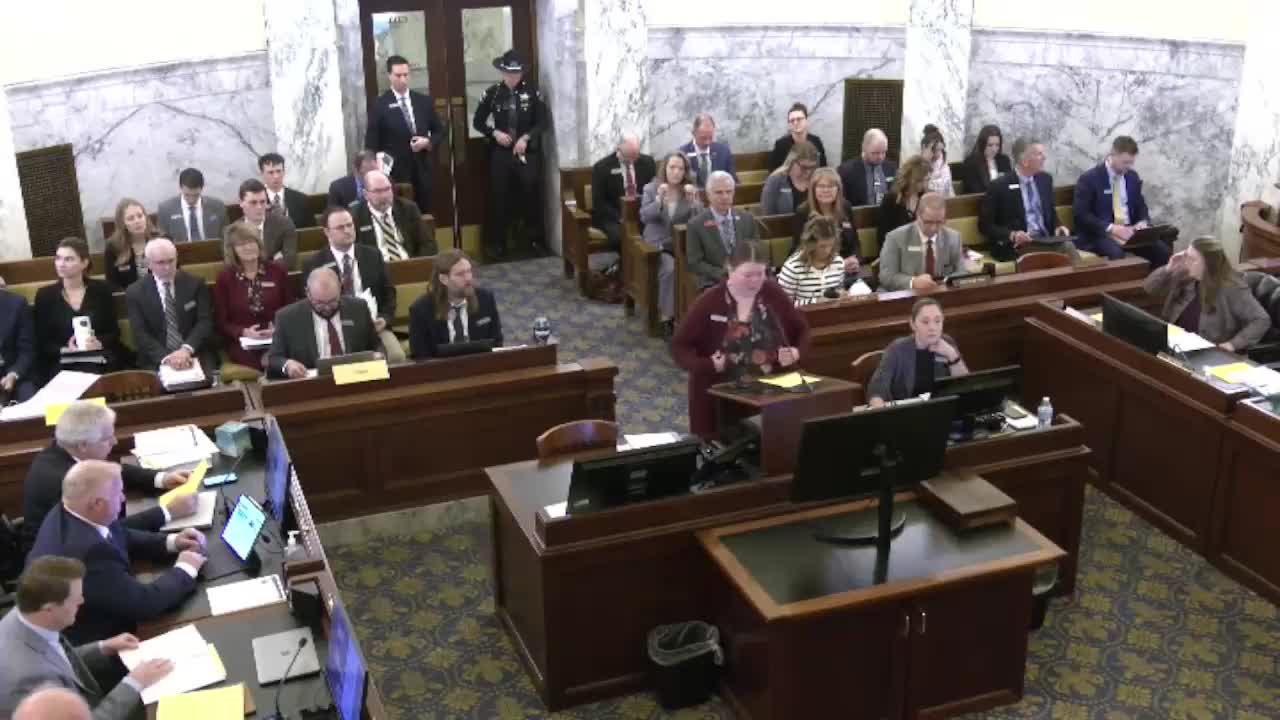
Janet Jessup, a budget and policy analyst with Legislative Services, told the Joint Finance‑Appropriations Committee on Friday that staff identified three technical corrections to fiscal year 2025 appropriations and walked committee members through the changes.
The corrections do not add new money, Jessup said; they reclassify or move previously appropriated amounts so the state’s accounting matches the programs that should be tracking them. “These are corrections for fiscal year 2025,” Jessup said. “It’s the yellow packet that was on your desk this morning.”
The first correction reassigns broadband reappropriated monies into the state’s newly created broadband program rather than leaving the money in the Department of Commerce’s general commerce program, Jessup said. The shift is an internal reclassification intended “to increase transparency and oversight of spending regarding broadband monies received by the state.”
The second correction involves a $2,000,000 transfer intended for the CAFO improvement fund, a dedicated account for confined animal feeding operation upgrades. Jessup said a drafting error caused the transfer language to reference the Department of Environmental Quality general fund rather than directing fresh general‑fund dollars into CAFO; as a result, DEQ’s general‑fund balance was reduced for other purposes. The correction would make the agency whole by replacing the DEQ general‑fund monies that were moved to CAFO.
The third correction reclassifies some Department of Health and Welfare spending from the trustee and benefit payments category into operating expenditures because the dollars flow to third‑party contractors under contract. Jessup said the department’s bill included a restriction on moving money out of trustee and benefit payments, so the legislature must act to reclassify the items. The two reclassification moves are net‑zero adjustments between expenditure categories, she said.
Committee members thanked staff for the work and asked few clarifying questions. Chair Groh noted the staff had reviewed “tens of thousands of pages” across more than 100 agencies and called three errors “remarkable.” Jessup and analysts said the committee is scheduled to vote on these technical corrections at the next meeting.
The presentation did not change any totals in the state’s fiscal 2025 appropriation base; it moved line‑items so program-level tracking and oversight would match legislative intent.