Get Full Government Meeting Transcripts, Videos, & Alerts Forever!
Get email alerts on the Appropriation Law topic
No spam. Unsubscribe anytime.
Legislative counsel reviews 'power of the purse' and key appropriation rules for JFAC
Summary
Legislative counsel explained the constitutional and statutory basis for legislative appropriations, the constitution’s item-veto and single‑subject requirements, and how conditions, limitations and restrictions attached to appropriations operate.
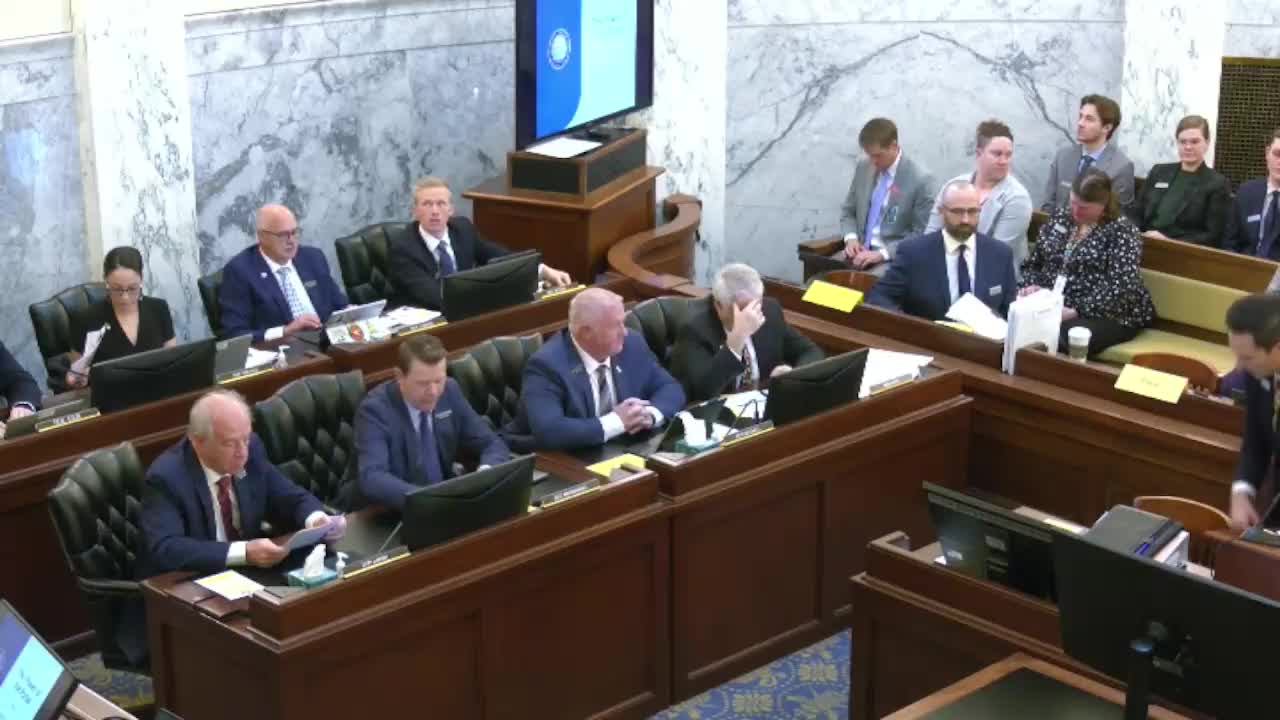
Elizabeth Bowen, legislative legal counsel for the Legislative Services Office, briefed the Joint Finance-Appropriations Committee on the constitutional and statutory basis for the legislature’s appropriation powers and practical limits on those powers.
Bowen said the legislature’s authority to appropriate funds flows from the Idaho Constitution and case law, and she noted key constraints the committee should keep in mind: (1) the balanced budget requirement (Article 7, section 11) that appropriations cannot exceed tax revenue except in specified situations; (2) the item‑veto power of the governor is limited to dollar amounts, not to conditions attached to appropriations; and (3) appropriation bills must follow the state constitutional requirements on subject and title and on amendatory acts.
Key points Bowen made: - Appropriation is a statute equal in force to other laws and must state the purpose and limit expenditure to that purpose. She cited the Davis v. Moon line that ‘‘the legislature has absolute control over the finances of the state.’’ - Conditions and limitations attached to appropriations are legally binding; a governor may not use the item veto to remove conditions. - Agency budget requests must show receipts and expenditures, program performance and the effects of federal funding changes; the statute requires agencies to supply this information to the legislative budget committees.
Why it matters: the committee’s authority to attach conditions, and the requirement that appropriations be itemized by account category (personnel, operating, capital outlay, trustee/benefit), determine how agencies may spend and how the governor can act on appropriation bills.
Practical guidance: Bowen described statutes that authorize JFAC to meet in interim, create subcommittees, issue subpoenas and draft appropriation bills (she cited Idaho Code sections read in the hearing). She also explained that transfers between account categories require specific processes and that transfers larger than 10% require legislative approval.