Get Full Government Meeting Transcripts, Videos, & Alerts Forever!
Get email alerts on the Veterans Staffing And Construction topic
No spam. Unsubscribe anytime.
Veterans services requests pilot temporary nursing pool, flags federal Build America, Buy America waiver hold on Boise home rebuild
Summary
The Division of Veterans Services told JFAC it faces high turnover among skilled nursing staff, plans a pilot to reduce reliance on costly contract nurses, and is awaiting federal waivers under the Build America, Buy America Act before major construction on the Boise veterans home can proceed.
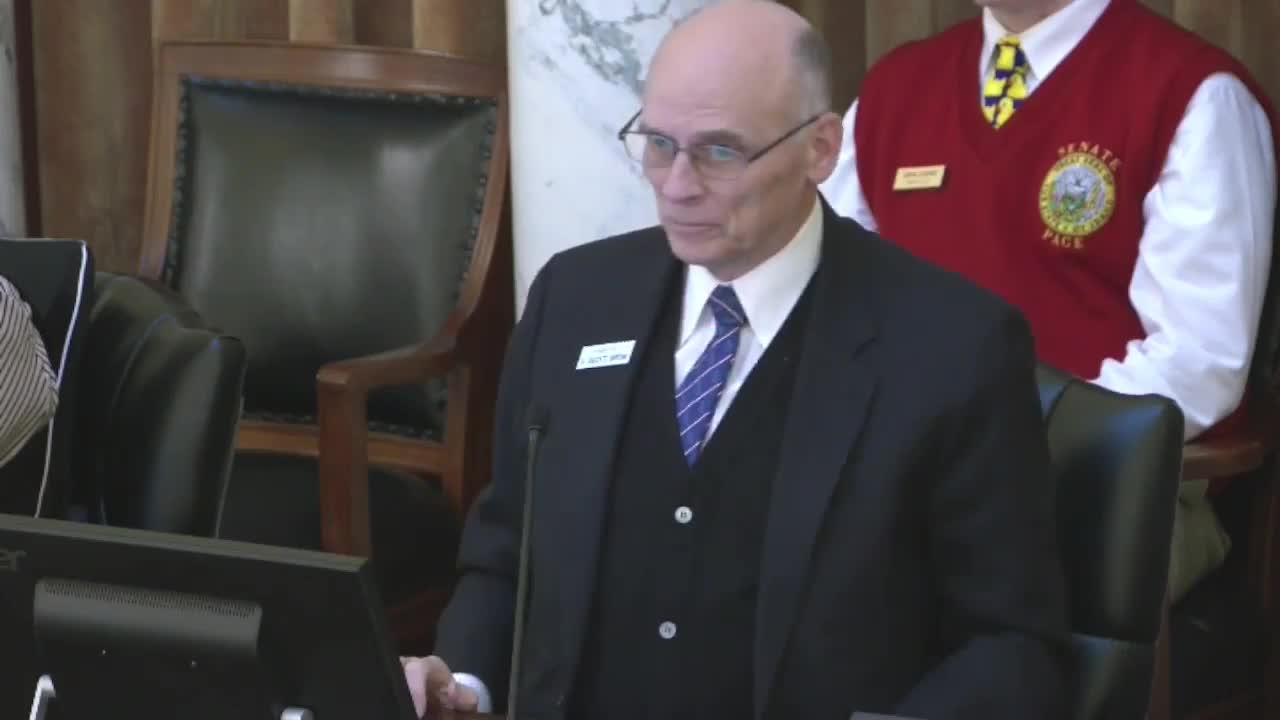
Mark Shample, administrator of the Idaho Division of Veterans Services, told the Joint Finance-Appropriations Committee the division is piloting a temporary nursing pool to reduce high contract-labor costs and that federally supported home rebuilds remain delayed pending federal waivers under the Build America, Buy America Act.
Why it matters: The state operates four veterans homes that provide skilled nursing. The homes are near capacity, but the division reports persistent recruitment and retention challenges that raise personnel costs and increase use of contractor nursing staff. Major construction for a new Boise home and Lewiston renovation is federally funded but cannot proceed until the VA grants waivers on Buy America sourcing rules.
Temporary nursing pool: The division requested a net transfer of $1,200,000 from operating to personnel to create a pool of 22 temporary, benefited state employees to perform nursing shifts now filled by higher-cost contract staff. Administrator Shample told the committee contract labor can cost about three times the rate of state staff; converting a portion of that work into temporary state positions is expected to reduce contract spending and provide scheduling flexibility. Lippitt and Shample characterized the proposal as a pilot that, if successful, could be expanded in subsequent years.
Staffing metrics and spending: Lippitt reported the division averaged about $31.1 million in personnel-cost appropriation over five years with an 82.2% fill rate and noted a 35% turnover rate among skilled nursing staff in FY2024. The division expended about $50.2 million in FY2024; personnel costs accounted for more than 62% of that spending. The division also spends from continuously appropriated funds for cemetery maintenance and veteran direct support.
Construction grants and Buy America waiver: Lippitt said the division had $43.1 million in federal FY2024 appropriation for U.S. Department of Veterans Affairs state home construction grants to rebuild the Boise home and renovate Lewiston, but the funds had not been released because the VA required Build America, Buy America Act compliance or a waiver. Administrator Shample said the division has documented that many required materials cannot be sourced entirely from U.S. manufacturers and has requested a waiver; the federal VA has acknowledged the issue but had not yet issued the waiver at the time of the hearing.
Other FY2026 requests: The division sought $120,600 ongoing for IT maintenance and licensing (per ITS recommendations) and $588,400 one-time (sheds, dump truck and replacement items) plus reimbursement/re-appropriation authority for federal construction grants. The governor recommended the division’s requested enhancements.
Committee questions and responses: Committee members asked whether temporary nurses would provide permanent roles (Shample: the nursing positions are permanent roles; the people filling some roles are currently contracted) and whether pay was competitive (Shample: the division conducts regular market analyses and is competitive; challenges reflect supply/demand). Chair and committee members asked for additional data about contract nurse pay; Lippitt offered to provide comparative numbers on the premium paid for contract labor.