Get Full Government Meeting Transcripts, Videos, & Alerts Forever!
Get email alerts on the Noxious Weeds topic
No spam. Unsubscribe anytime.
Idaho declines to add Palmer amaranth or myrtle spurge to state noxious weed list; Turkish thistle reclassified
Summary
After public negotiated rulemaking, the Idaho Department of Agriculture did not add petitioned species Palmer amaranth or myrtle spurge to the noxious weed list and moved Turkish thistle from an early-detection rapid-response listing to the control category.
The Idaho Department of Agriculture presented two listing petitions and other edits to the state's noxious weed rules during negotiated rulemaking; after public comment and discussion the department did not adopt the petitions for Palmer amaranth or myrtle spurge and reclassified Turkish thistle to a controlled category.
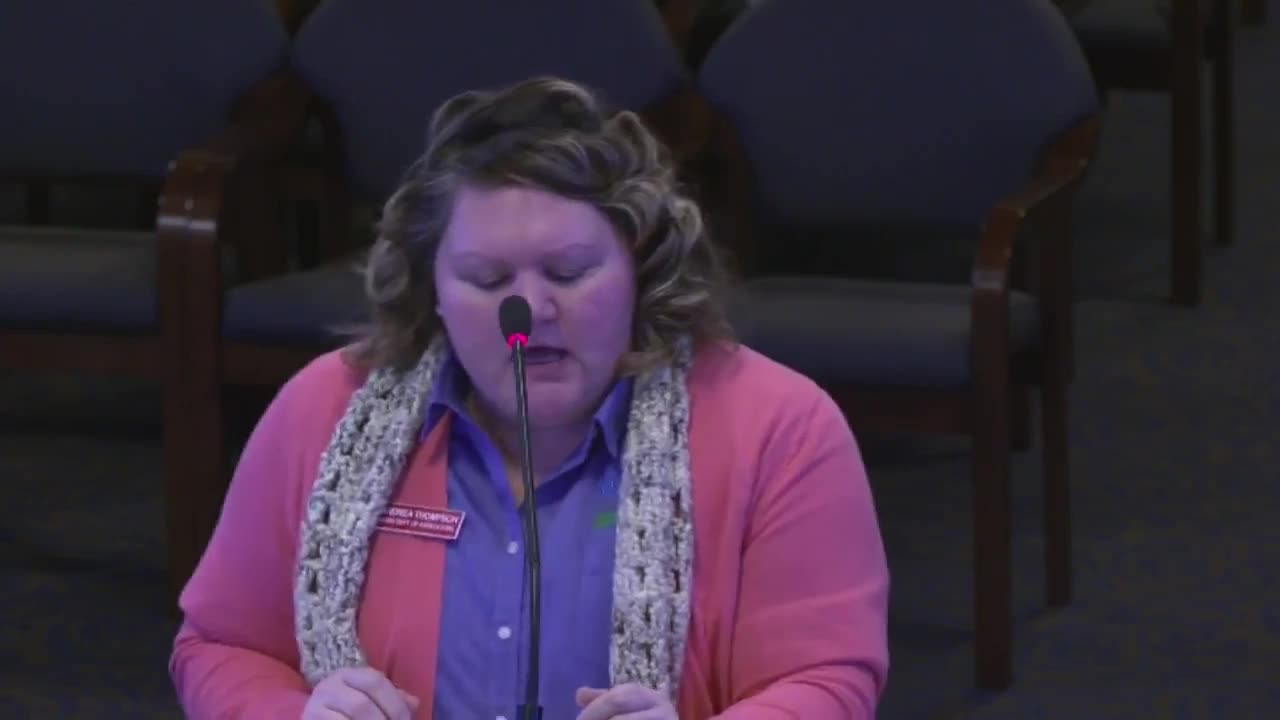
Administrator Andrea Thompson told the House Agriculture Affairs Committee that two petitions sought to add Palmer amaranth, a cropping-field invader, and myrtle spurge, a landscape ornamental, to the state's noxious weed list. The department held public negotiated rulemaking meetings on July 10 and July 29 with broad participation from weed-control associations, county weed supervisors, seed producers and other stakeholders; the meetings produced lively discussion and no consensus to adopt the petitioned listings.
Thompson said an earlier intended edit to the early detection rapid response (EDRR) definition had been missed in the 2023 rulemaking and the current process corrected that omission. On Turkish thistle, Thompson said the department proposed reducing the listing from EDRR to a controlled category after finding the weed more widely established than previously believed; the controlled category allows time and resources to control or substantially reduce infestations rather than requiring eradication within the same growing season.
Why it matters: Adding a species to the state's noxious weed list carries enforcement and control implications for private landowners and counties. Petitioned additions typically require broad stakeholder agreement and evidence of ecological or agricultural harm.
Public participation Thompson said public comment was robust and varied; meeting minutes and written comments were added to the rule record. The department reported that comments either supported the reclassification of Turkish thistle or offered no opinion. For Palmer amaranth and myrtle spurge, the department said stakeholders did not reach consensus to add the species and therefore they were not proposed in the draft rule presented to the committee.
Next steps The committee approved the docket. The department said it will continue outreach and maintain the existing statewide lists and that county weed supervisors remain central to on‑the‑ground control efforts.