Get Full Government Meeting Transcripts, Videos, & Alerts Forever!
Get email alerts on the Appropriation Law topic
No spam. Unsubscribe anytime.
Legal counsel briefs JFAC on the legislature27s appropriation powers and rules for restrictions on spending
Summary
Legislative legal counsel Elizabeth Bowen reviewed constitutional and statutory limits on appropriation power, explaining the legislature27s exclusive authority to appropriate, the balanced‑budget requirement, item veto rules and how conditions attached to appropriations operate as law.
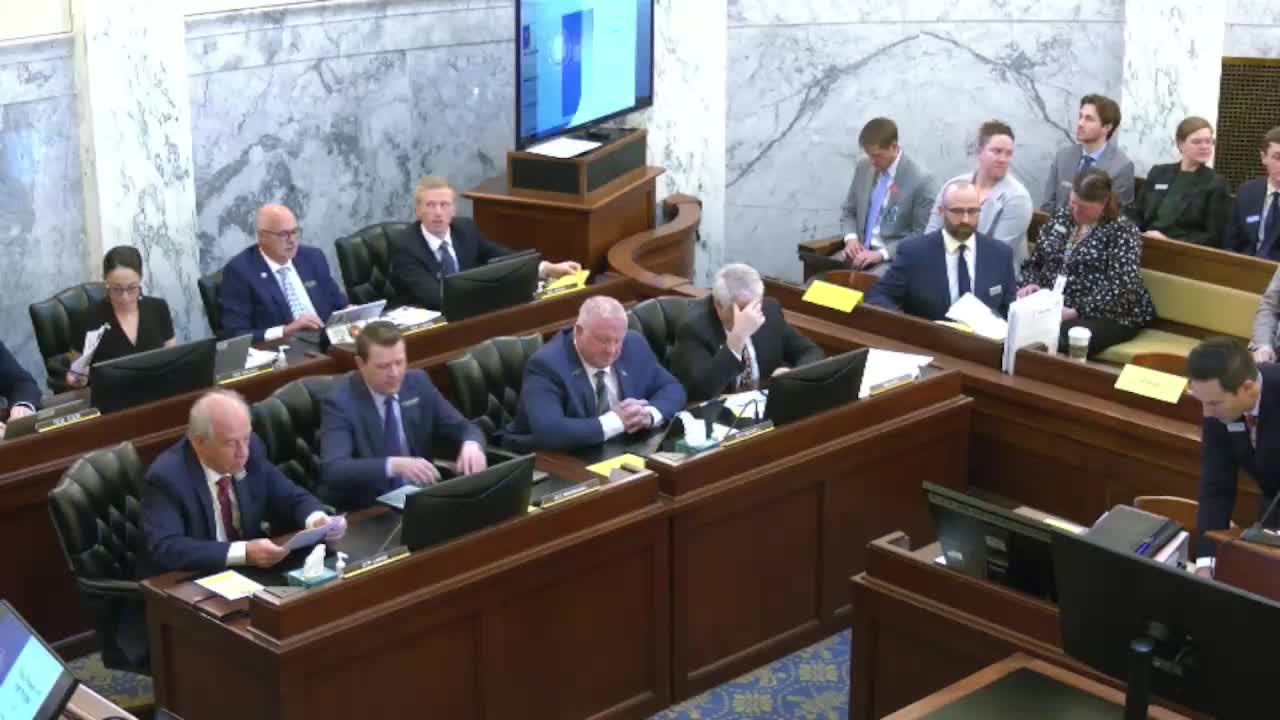
Elizabeth Bowen, legislative legal counsel with the Legislative Services Office, told the Joint Finance‑Appropriations Committee that the legislature27s power to appropriate — sometimes called the "power of the purse" — traces to constitutional authority and long‑standing case law.
Bowen summarized the key legal limits and requirements that shape appropriation bills. She said appropriations must comply with the Idaho Constitution (including the balanced‑budget clause) and with statutory drafting requirements, and she emphasized that conditions attached to appropriations are legally binding. "If a condition is attached to an appropriation, it must be observed," Bowen said, citing case law.
Why it matters: the committee drafts appropriation bills and often includes conditions, limitations and restrictions in those bills. Bowen reminded members that those inserted conditions carry the force of law and cannot be removed by a later executive item veto unless the veto is limited to a dollar amount.
Highlights from the briefing: Bowen reviewed constitutional provisions and Idaho Code sections that directly affect JFAC's duties, including statutes that authorize the committee to examine agency budgets, to issue subpoenas if necessary, and to draft appropriation bills. She summarized budgeting mechanics that JFAC and agencies must observe: appropriations are by fund and by account category (personnel, operating, capital, trustee and benefit payments); agencies generally may not move money between account categories without statutory authority; and appropriations are one‑year unless explicitly reappropriated.
On veto and conditions: Bowen discussed the Idaho Supreme Court line of cases (for example, Santa Rosa v. Andress) establishing that a governor may not use the item veto to strike conditions attached to an appropriation and that conditions direct how money shall be spent.
Ending: Bowen told the committee that JFAC27s appropriation drafting authority is central to legislative oversight. Several committee members asked clarifying questions about transfers, supplemental appropriations, and what to do when federal monies are reduced; Bowen and staff said agencies must disclose anticipated federal reductions and may be required to present plans if federal funding drops by more than 10 percent.