Get Full Government Meeting Transcripts, Videos, & Alerts Forever!
Get email alerts on the Unemployment Insurance Funding topic
No spam. Unsubscribe anytime.
Idaho Department of Labor requests $7.33 million in dedicated authority to sustain unemployment operations
Summary
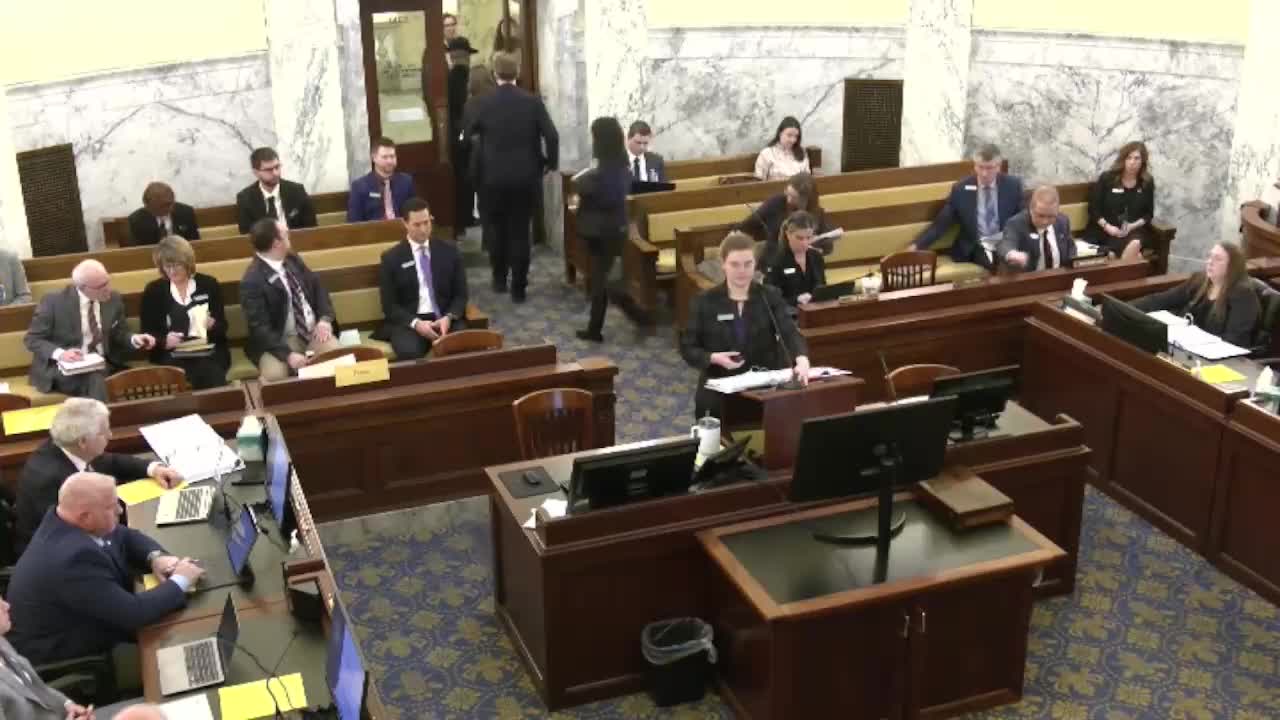
Department of Labor officials told JFAC they need additional dedicated-fund spending authority to maintain unemployment insurance operations as federal pandemic-era funding declines and to preserve capacity to respond quickly if claims rise.
The Joint Finance-Appropriations Committee on [date not specified] reviewed the Idaho Department of Labor’s fiscal 2026 budget requests, including a $7,330,000 increase in dedicated-fund spending authority for unemployment insurance operations.
Brooke Dupree, budget and policy analyst for the Legislative Services Office, walked the committee through the department’s consolidated fund analysis and explained the proposed $4,868,600 cash transfer from the Unemployment Penalty and Interest Fund to the Employment Security Fund. Dupree and department staff said the transfer corrects an overcounting that moved more money to the penalty fund than intended and restores amounts to the continuously appropriated employment security account.
Department director Janie Rivera told the committee the department’s federal grant funding for unemployment operations has declined since the pandemic and that the requested increase would allow the department to continue current operations from dedicated funds rather than general fund. "So this is an increase in dedicated fund spending authority request, not general," Rivera said, adding that the department receives only minimal general-fund support for the wage-and-hour program.
Rivera explained the rationale for the $7.33 million request: the department historically staffed for higher claim volumes during the pandemic with federal grant dollars; as those federal funds decline, the department needs dedicated authority to maintain staffing and operations so it can respond quickly to any future economic downturn. "We don't want to overstaff, but we do need to make sure that we are staffed at such a level that should the economy turn, we will be able to respond," Rivera said.
Rivera also described the structure of Idaho's unemployment trust fund and how benefits are paid. She told the committee the trust fund has ranged from roughly $69,700,000 to $202,000,000 over the last five years, with the larger number corresponding to COVID-era payouts; the fund is continuously appropriated for paying benefits. If a state exhausts its trust fund, Rivera said, it can borrow from the federal government or use bonding mechanisms as previously done in past recessions. Rivera told members the department does not plan to seek general-fund assistance and that any shortfall would be managed through the existing tax-rate formula, borrowing or bonding.
Committee members sought additional information from the department on staffing levels, the share of salary savings being expended, and the mechanics of federal grant calculations. Several members asked for a breakdown showing baseline staff and the extent to which staffing fluctuates during downturns; Rivera offered to provide precise staffing numbers and other follow-up material to the committee. The committee also heard a $161,000 request for Office of Information Technology Services–recommended hardware (70 laptops/docking stations and 70 desktops) and discussion of statutory requirements for fund-balance changes that exceed thresholds requiring legislative approval.
The department said it will follow up with specific figures on the department’s baseline staff, the number of positions added during the pandemic, and how the requested dedicated authority would be used in practice.