Get Full Government Meeting Transcripts, Videos, & Alerts Forever!
Get email alerts on the State Budget topic
No spam. Unsubscribe anytime.
State Independent Living Council budget review highlights federal timing and a small fund shift
Summary
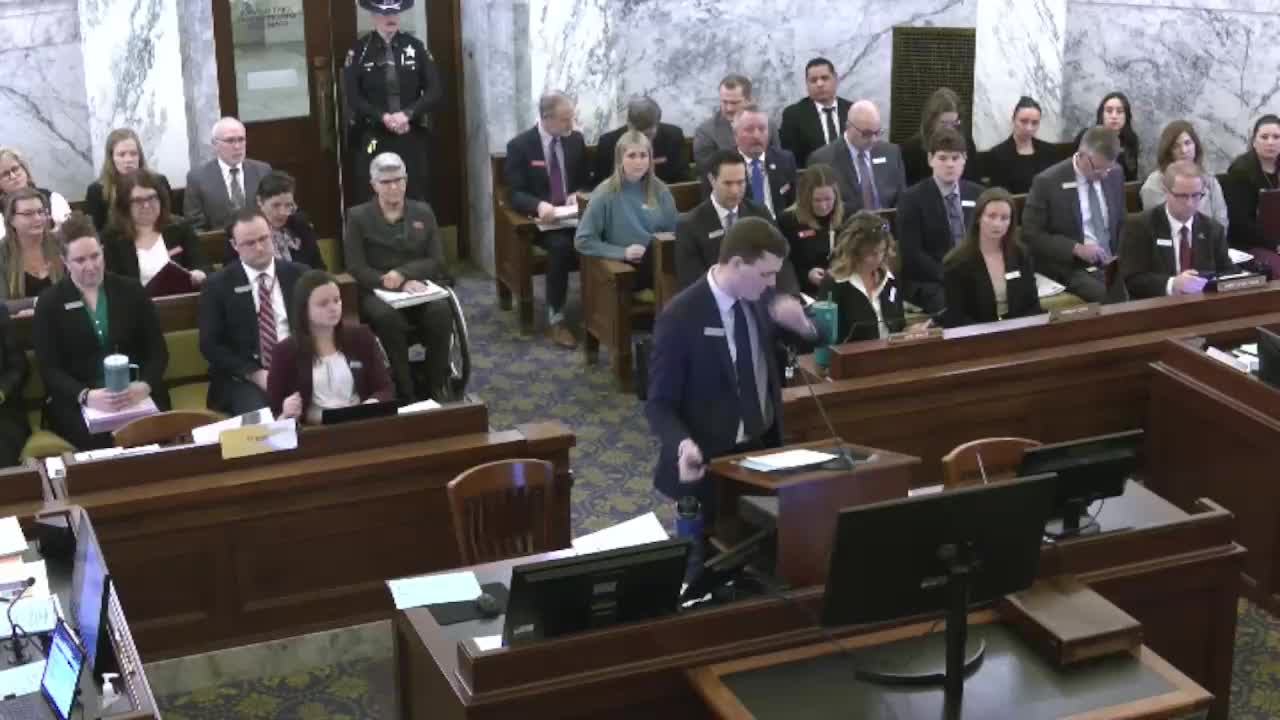
The Joint Finance and Appropriations Committee heard a presentation on Jan. 15 about the State Independent Living Council’s fiscal profile and a proposed small shift of appropriation from the council’s dedicated fund to the general fund.
The Joint Finance and Appropriations Committee heard a presentation on Jan. 15 about the State Independent Living Council’s fiscal profile and a proposed small shift of appropriation from the council’s dedicated fund to the general fund.
Legislative Services Office analyst Kellen McGurkin told the committee the council’s dedicated fund receives federal independent living service grants (identified in the presentation as Title I of the Rehabilitation Act and Title VII of the Workforce Investment Act) that pass through the Idaho Division of Vocational Rehabilitation. McGurkin said timing differences between federal grant periods and the state fiscal year can make an agency’s expenditures in a year appear larger than receipts for that year even when available federal revenue exists.
McGurkin said SILC typically spends nearly all available revenue but maintains an ending balance near $280,000 — about six and a half months of the agency’s operating expenses — to protect against a freeze in funding. He noted a one-time increase of roughly $30,000 in the council’s Title I federal funding in FY2023, the first such increase in about a decade. The analyst told the committee the governor’s recommendation for FY2026 would shift $11,700 of appropriation from the council’s dedicated fund to the general fund, which would cause the general fund to cover roughly half of the statewide health benefit and change‑in‑employee‑compensation (CEC) increases for the agency that otherwise would be paid from the dedicated fund.
Mel Levitan, executive director of the Idaho State Independent Living Council, told members the council operates with four full‑time positions (executive director, financial specialist, program specialist and administrative assistant) and that the council travels statewide to provide trainings and outreach. Levitan thanked the committee for a $10,000 line‑item increase the prior year that paid for external audits; he said those funds allowed the council to complete audits for fiscal years 2022–24 with no findings and praised staff stability (no turnover since the 2020 hire). "We make the most that we can with a very small budget. We travel all over the state, and we get to meet folks, and it's wonderful to see people where they are," Levitan said.
The presentation and director remarks prompted one technical clarification from Senator Cook about the appearance of an overspend; McGurkin reiterated the discrepancy is timing related to differing federal grant periods rather than an operational deficit.
No formal committee action was taken during the presentation; the hearing functioned as an informational review of SILC’s budget, revenue sources and the governor’s proposed shift in appropriation.
The committee materials for SILC included slide references and the agency’s consolidated fund analysis; McGurkin noted personnel costs have been the primary category of appropriation differences when the council reverts amounts to its dedicated fund.
SILC said it will continue statewide travel and trainings; the presentation did not identify any new policy proposals or statutory changes beyond the budgetary adjustment recommended by the governor.