Get Full Government Meeting Transcripts, Videos, & Alerts Forever!
Get email alerts on the Psychiatric‑hospitals topic
No spam. Unsubscribe anytime.
State hospitals accredited; department seeks $2.6M supplemental for civil‑commitment costs
Summary
Department officials told the committee all three state hospitals are accredited and reported billing receipts from Medicaid, but they requested a $2.6 million one‑time general fund supplemental to cover rising civil‑commitment costs and requested receipt authority and transfer flexibility tied to Medicaid billing changes.
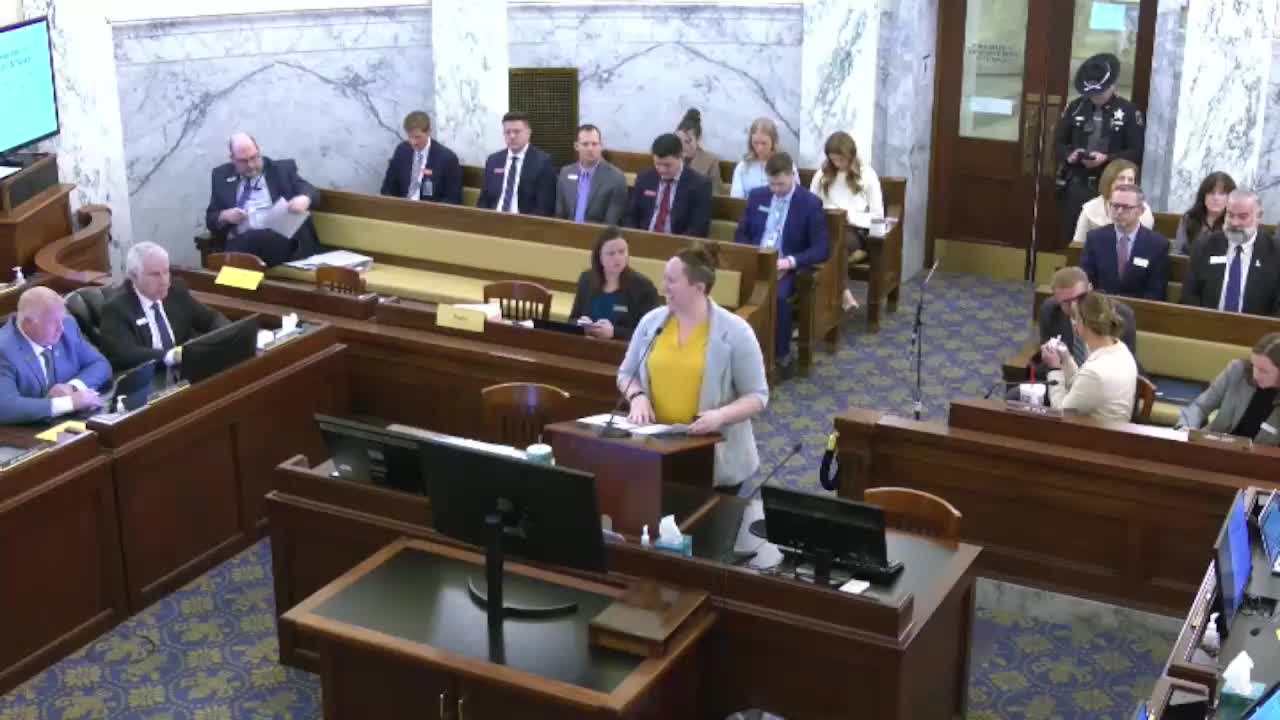
Officials from the Department of Health and Welfare told the Joint Finance‑Appropriations Committee on Feb. 24 that State Hospital North, South and West are now accredited and that Medicaid billing is beginning to offset general‑fund costs — but the department still asked for a one‑time supplemental appropriation to cover increased civil‑commitment expenditures.
Alex Williamson, Legislative Services analyst, said the hospitals had faced accreditation delays that reduced their ability to bill Medicaid in prior years and that those delays required fund shifts in the 2024 appropriation. Director Alex Adams said State Hospital West has billed roughly $1.6 million and received about $1.3 million, which represents federal receipts the department expects to recoup. He asked the committee for receipt spending authority tied to that billing.
The department requested a one‑time general fund supplemental of about $2.6 million for fiscal 2025 to cover increased costs from mental‑hold and commitment services, which shifted to state responsibility after passage of Senate Bill 1327 in 2022. Adams explained the change in 2022 moved the obligation from counties to the state; the department said costs were underestimated in the fiscal note and that civil‑commitment expenditures are now higher than originally forecast.
Committee members pressed on whether accreditation produced Medicaid savings. Adams said accreditation enables Medicaid billing, which reduces general‑fund reliance; however, earlier mid‑year accreditation meant the state may not yet realize a full year of savings. The committee also discussed a forecast adjustment the department is asking for related to stays longer than 60 days: federal Medicaid reimbursement is available only for stays of 60 days or fewer; admissions longer than 60 days are unreimbursed and fall to the state. The department said the share of admissions exceeding 60 days rose from about 17% to about 37%, increasing state exposure.
Staffing and capacity: Adams told the committee vacancy rates at the hospitals are lower than the agency average: State Hospital West reported a 0% vacancy rate, State Hospital South about 2.8%, and State Hospital North about 11.5% vacancy. The department said staffing affects how quickly patients move from community hospitalization into state hospitals and therefore affects community hospitalization costs and the department’s ability to bill Medicaid.
Restoration to competency: Ross Edmonds, the department’s division administrator for behavioral health, told the committee that while civil commitments have been relatively flat, restoration‑to‑competency commitments — where defendants are found not competent to stand trial and are sent for restoration treatment — have increased substantially, rising roughly 600% over the last decade. Edmonds said about 75% of State Hospital North’s beds are occupied by restoration‑to‑competency patients; he told members nearly all psychiatric restoration cases are restored within the statutory period and estimated fewer than 5% are not restorable.
Why it matters: the civil‑commitment and restoration workloads affect hospital capacity, Medicaid billing, and state general‑fund exposure. The committee will consider whether to approve the supplemental and related receipt and transfer authorities.