Get Full Government Meeting Transcripts, Videos, & Alerts Forever!
Get email alerts on the Species Conservation topic
No spam. Unsubscribe anytime.
Office of Species Conservation reports large federal grant appropriations, requests small increase to miscellaneous revenue fund
Summary
Janet Jessup told JFAC that the Office of Species Conservation received large federal grants in FY2023 but expended relatively little that year; the office seeks a $30,000 increase to its miscellaneous revenue fund to pursue non‑federal grants.
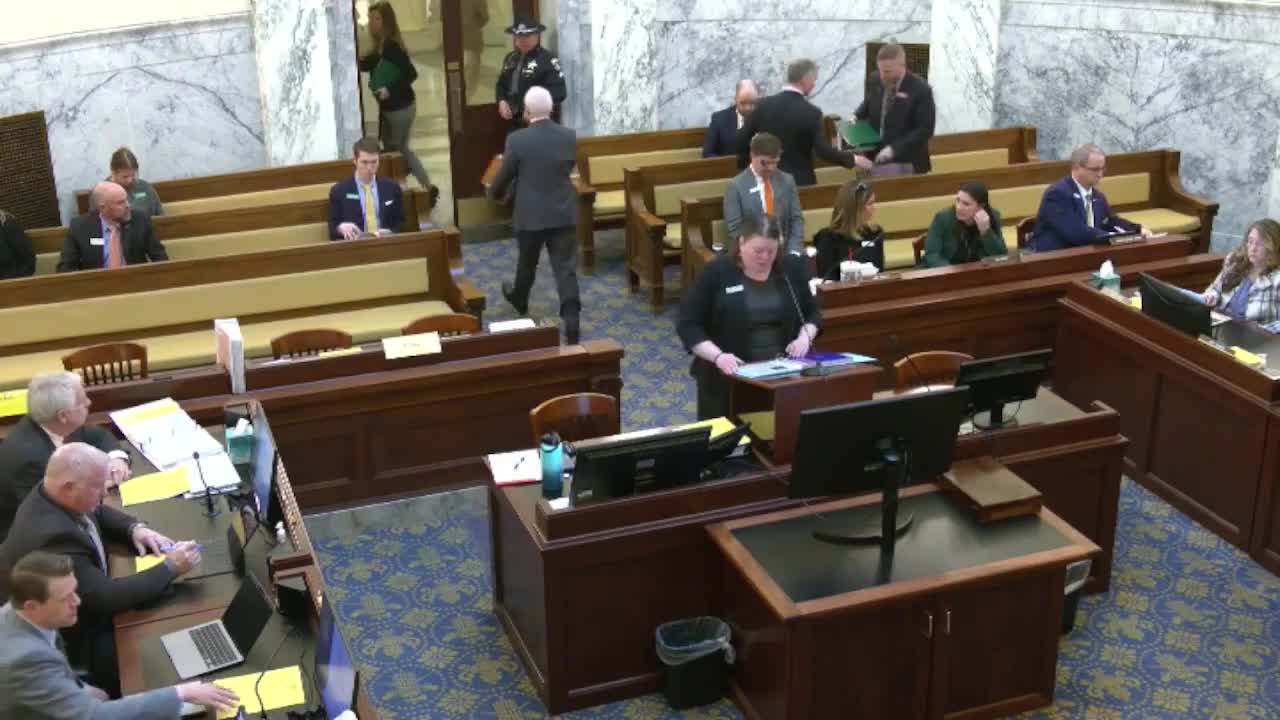
Janet Jessup introduced the Office of Species Conservation’s budget to the Joint Finance‑Appropriations Committee and said the office had significant federal appropriations in 2023, including approximately $5 million tied to IIJA‑related grants. Jessup told the committee many of those federal funds were appropriated but not expended in FY2023, and that the office expected increased federal spending in subsequent years as project work progresses.
Administrator Edmondson described the office’s role in planning, coordinating and implementing state actions to preserve candidate, threatened and endangered species under the federal Endangered Species Act. Edmondson said the office is allocated 16 FTE and that trustee and benefit payments in the office’s budget are overwhelmingly federal funds flowing to third parties for restoration and mitigation work.
Jessup and Edmondson explained the difference between federal appropriations and cash: the appropriation establishes a spending ceiling but the office can only spend what it actually receives in cash from grants, donations or settlements. The office asked for a $30,000 increase to its miscellaneous revenue fund to allow pursuit and acceptance of certain non‑federal grants and donations.
Edmondson also addressed policy issues raised during the hearing. In response to a question about near‑term policy challenges, he described administrative turnover at the federal level and the resulting “whiplash effect” on rulemaking and NEPA (the National Environmental Policy Act). Edmondson said that shifting federal directions complicate completion of long‑range resource management plans such as those for sage‑grouse, and urged that the state negotiate completions rather than reopen NEPA planning every administration cycle.
Why it matters: The office administers federal and non‑federal funding designed to restore habitat and implement conservation measures. Its federal grant timing and the small requested increase to miscellaneous revenue affect the office’s ability to accept and administer outside funding and to plan multiyear restoration efforts.