Get Full Government Meeting Transcripts, Videos, & Alerts Forever!
Get email alerts on the Recreation Club Liability topic
No spam. Unsubscribe anytime.
Committee backs bill limiting liability for nonprofit recreation clubs, with exceptions
Summary
House Bill 81 would limit most liability for nonprofit recreation clubs and their volunteers for participant injuries during covered activities, while preserving exceptions for intentional, reckless or grossly negligent conduct and certain equipment failures.
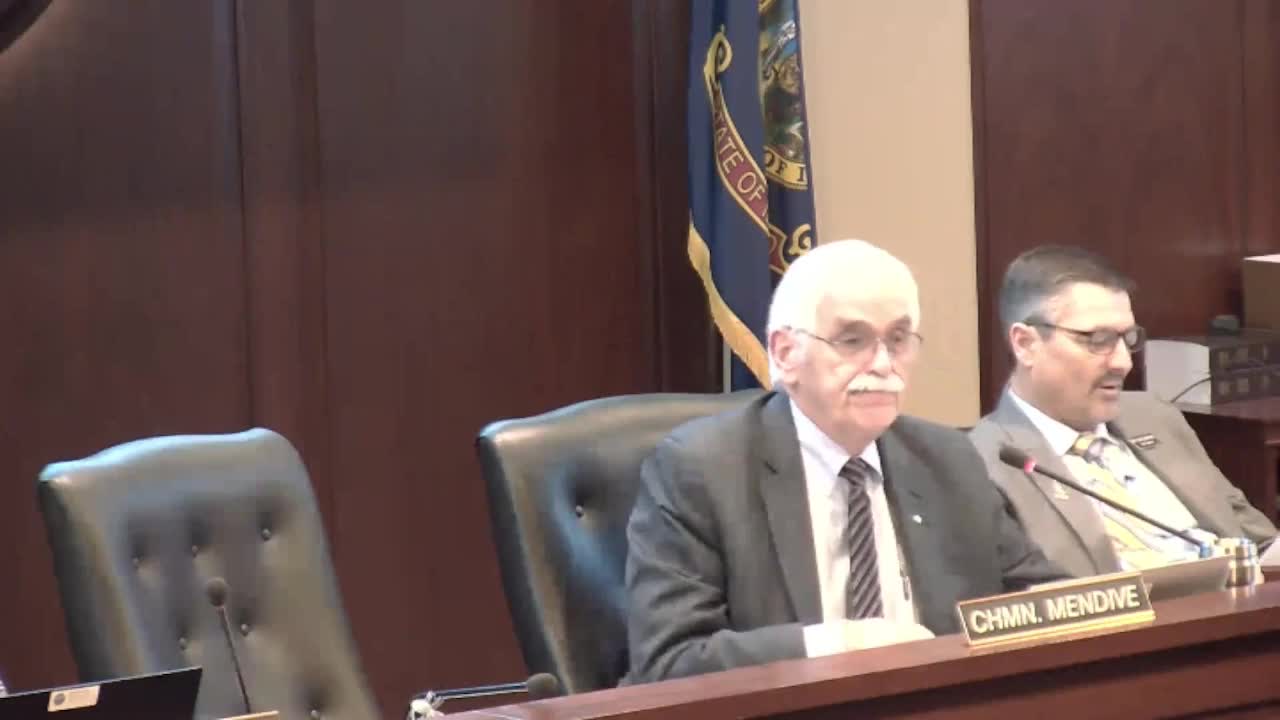
House Bill 81, sponsored by Rep. Charlie Shepherd, R-7, would provide liability protections for organized nonprofit recreation clubs, their directors, officers, members and volunteers when participants are injured while engaging in covered recreational activities. The House Resources & Conservation Committee voted to send the bill to the House floor with a due-pass recommendation.
David Clayborn of Sawtooth Law Offices, representing the Idaho Recreation Council and the Idaho State ATV Association, told the committee the bill applies only to officially organized nonprofit clubs that coordinate recreation activities and do not charge participants activity fees (membership dues are permitted). The proposal draws its definition of recreation activities from Idaho’s recreational-trespass statute and would protect clubs and volunteers from liability for injuries arising out of such activities, except where there is gross negligence, reckless or intentional conduct, or where the club provides equipment and the equipment’s failure is a direct cause of injury.
Clayborn said waivers alone provide limited protection in Idaho courts and can be logistically impractical for informal volunteer groups, so a statute grants broader, predictable protection for clubs that do not operate as for-profit service providers.
Testimony in support included Kate Hawes, a founding member of a volunteer running club, who said the bill would protect clubs that have some members sign waivers while newcomers have not yet done so. Barbara Jordan, testifying for the plaintiff-bar association (asked the committee to consider removing two sentences in the bill that the association said could be read to eliminate certain member duties to warn about known dangers), said the group would continue discussions with sponsors on that language.
Rep. Shepherd and the bill’s proponents said the measure is intended to encourage volunteer recreation organizations while preserving civil claims when conduct rises to intentional or grossly negligent wrongdoing. The committee approved a motion to send House Bill 81 to the floor with a due-pass recommendation by voice vote; the transcript records the motion carried and lists no numeric roll call in the committee record available in the transcript.